
Mesh vs Cushioned Office Chair: An Honest Guide
You are about to spend real money on a chair you will sit in for thousands of hours, and the showroom split is staring back at you: a taut mesh back that looks like it breathes, or a padded seat and back that look like they hug. The honest answer to mesh vs cushioned office chair is that neither wins outright. Each is better at different things, and the right pick depends on how warm you run, how long you sit and what your back actually needs.
This is a buying framework, not a sales pitch. We sell a mesh chair, so we have an obvious bias and we will name it as we go, including the part where a cushioned chair, or no new chair at all, is the better answer for some readers. We will judge our own chair against the same criteria as everything else, and tell you plainly who should not buy it.
One scope note before the comparison. A chair is a comfort and posture aid, not a medical device. If your pain is severe, came on after a fall, or comes with the warning signs we list near the end, that is a question for a clinician, not a shopping decision. The most important thing a chair does for your body is let you adjust and move, and the research is clear that no upholstery beats simply not sitting still for hours.
Mesh vs cushioned at a glance
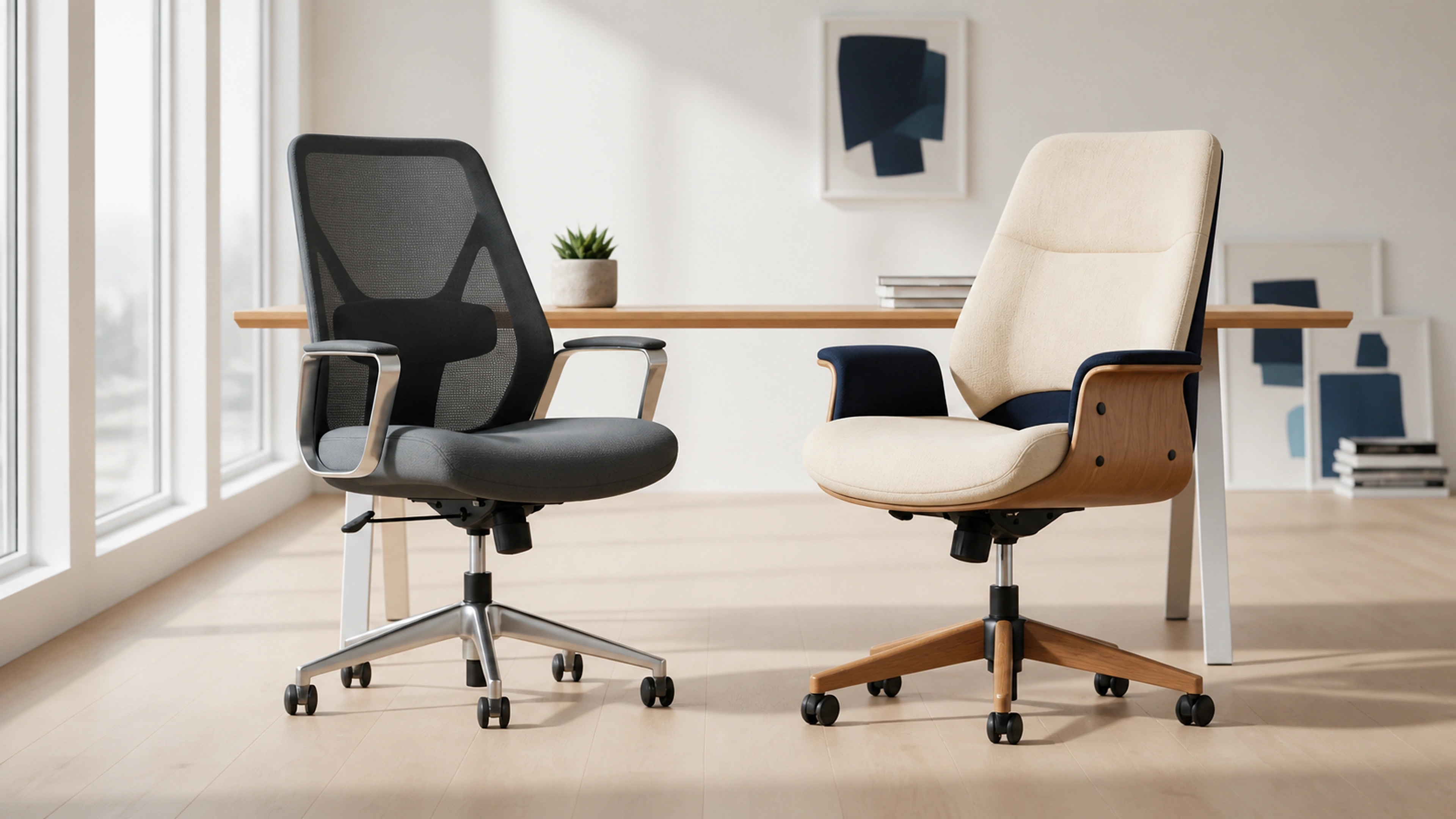
The short version, before we get into the why. A mesh office chair is built around a taut woven back, and sometimes a mesh seat, that lets air pass through and conforms as you lean. A cushioned chair uses foam padding on the seat and back. Each trades on the other's weakness.
Notice that neither column is all wins. The honest framing is not "which is better" but "which weakness can you live with," and that depends on you, not the chair.
Breathability and temperature
This is the clearest, least arguable difference, and for many people it decides the whole question. Mesh is the more breathable of the two by design: the open weave lets air move through the backrest instead of trapping it, so heat and moisture do not build up against your back the way they do on a solid foam back with a fabric or leather cover.
If you run warm, sit in a room without strong air conditioning, or get a sweaty back by mid-afternoon, mesh has a real and obvious advantage. A cushioned back, especially one wrapped in faux leather, holds heat against you and that discomfort is its own kind of fatigue. If your room is cool, you run cold, or you actively like the cocooned feel of padding, that same airflow can feel less plush and the advantage flips. There is no universal winner here, only a match to your room and your body.
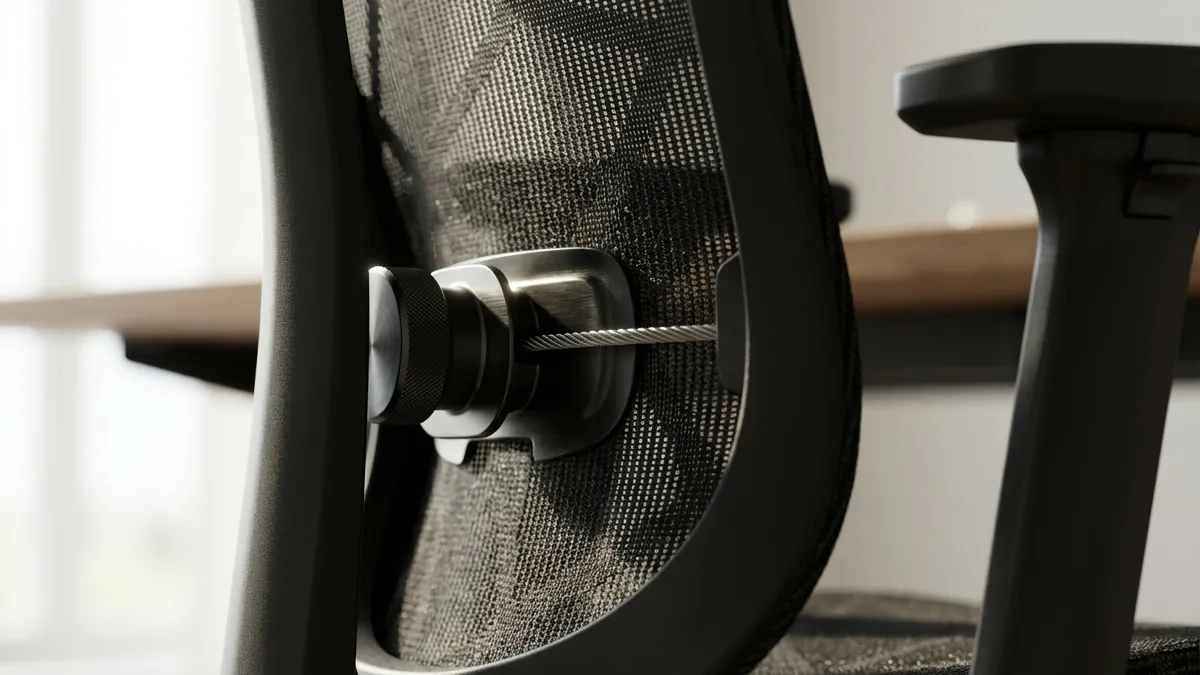
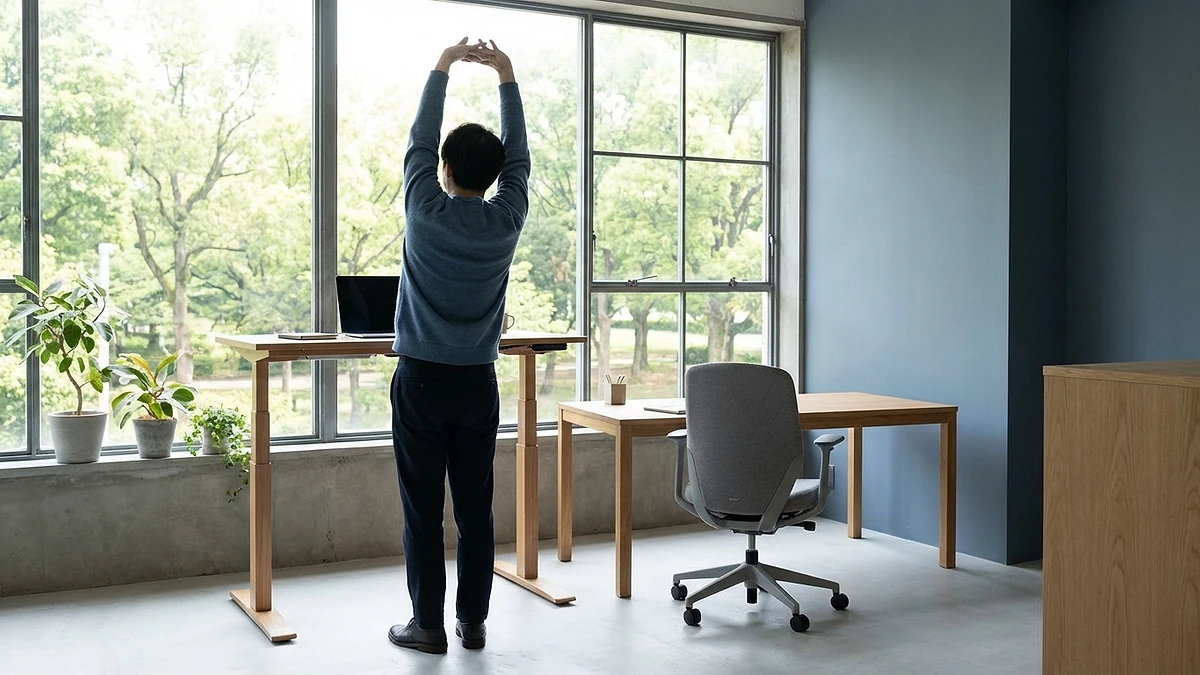
Temperature matters more than people expect over a long day because comfort is cumulative. The CCOHS overview of working in a sitting position is clear that prolonged static sitting is itself a strain on the body, and being too warm only adds to the urge to fidget, shift and lose your posture. Whichever you pick, the bigger lever is getting up regularly, not the fabric.
Support and pressure distribution
Support is where the cliches break down, because both types can be good or bad depending on build quality and fit, not material alone. A good chair holds the natural inward curve of your lower back and spreads your weight evenly across your sit bones. Both mesh and cushioned chairs can do this, and both can fail at it.
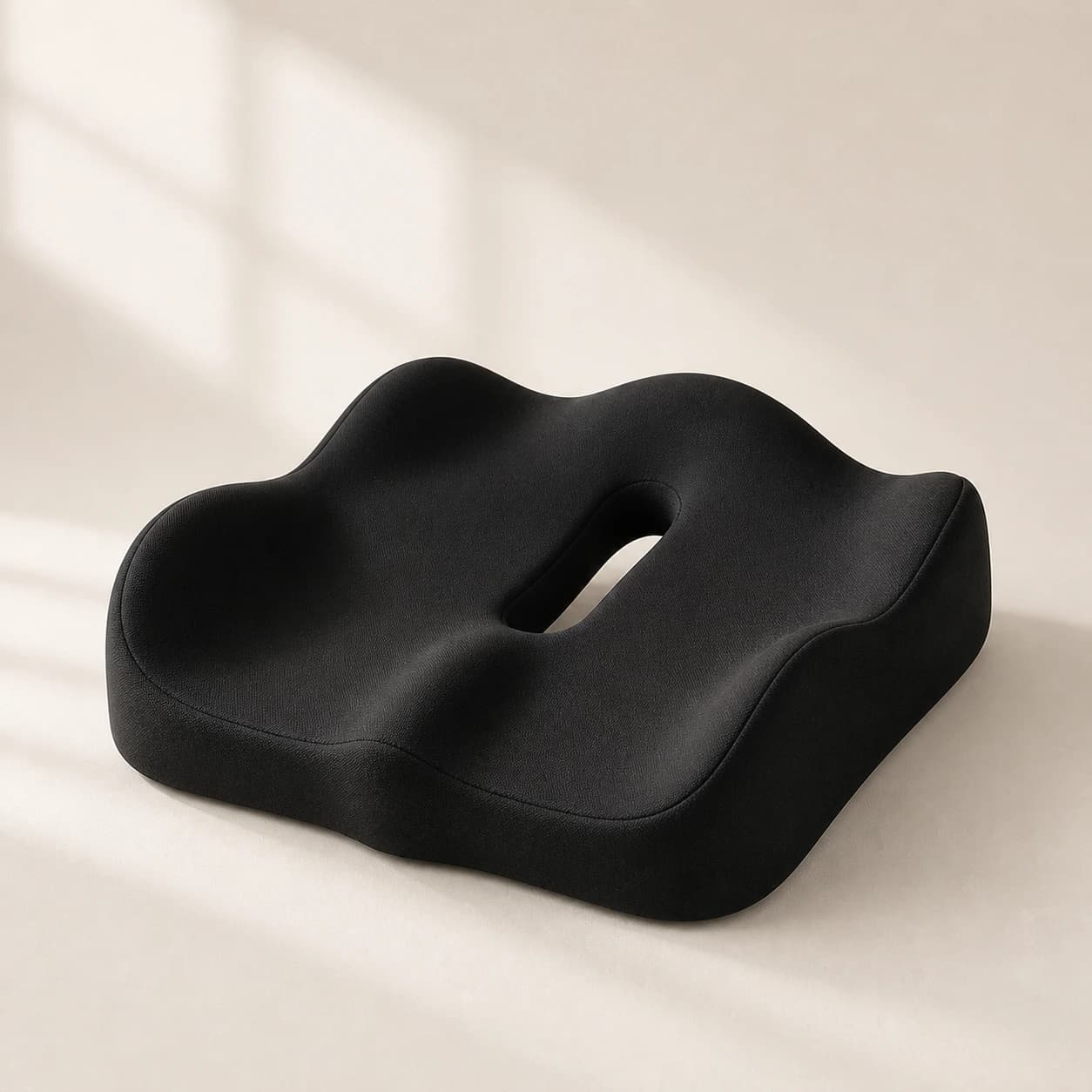
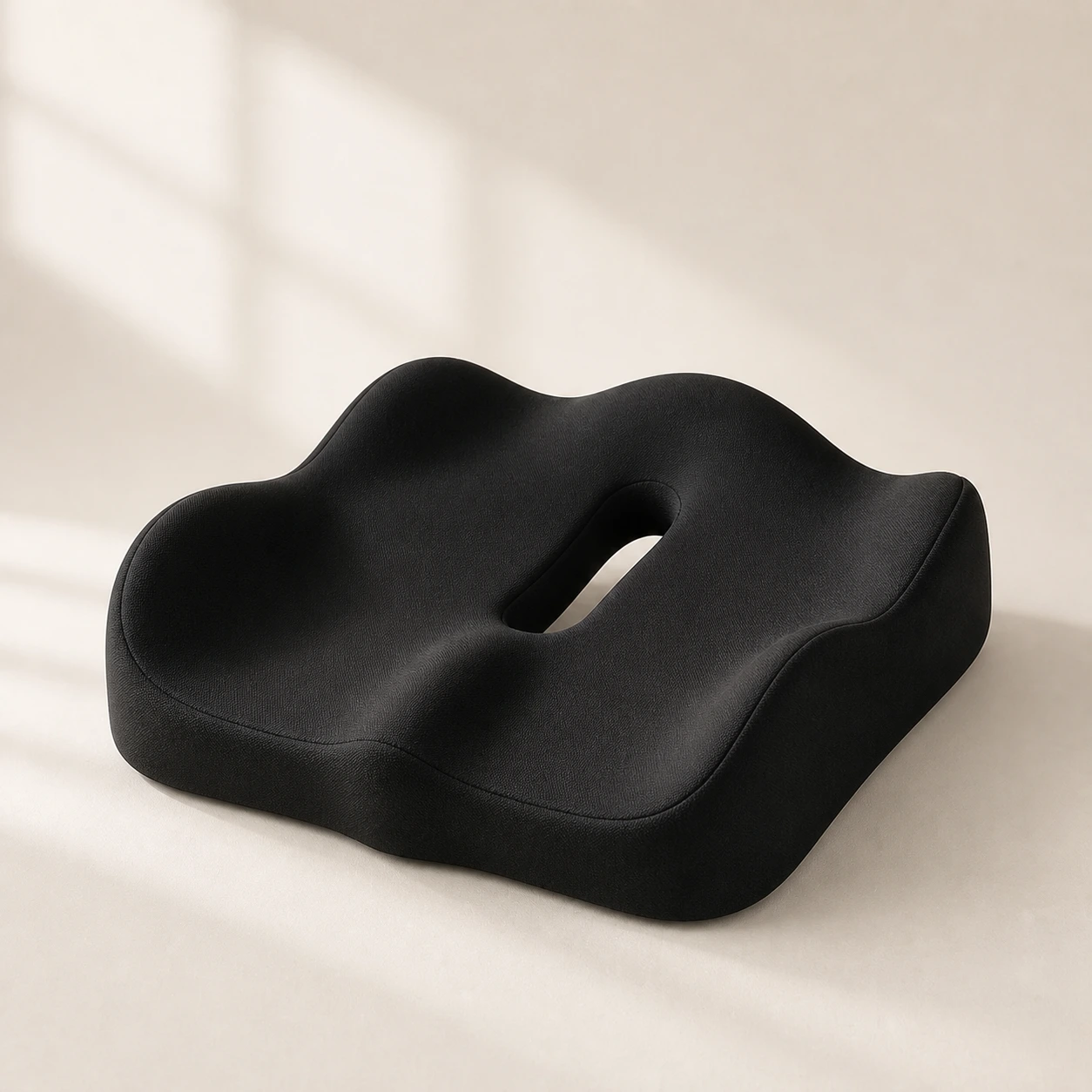 Product mentioned in this guideSeatNest Memory CushionMemory-foam seat cushion available in four colours with a sculpted one-piece profile, raised side and rear contours, and a central rear opening.Free US shipping on every order60-Day Home Trial · we pay return shippingSee current price
Mesh conforms to your back as you lean and, when the tension and lumbar contour suit your shape, distributes pressure smoothly without a hard pressure point. Its weakness is the seat edge: a poorly designed mesh seat can let a thin frame rail dig into the backs of your thighs. A cushioned chair starts softer and feels supportive immediately, but cheaper foam compresses unevenly and can bottom out, leaving you effectively sitting on the hard base underneath. Neither material guarantees good support on its own.
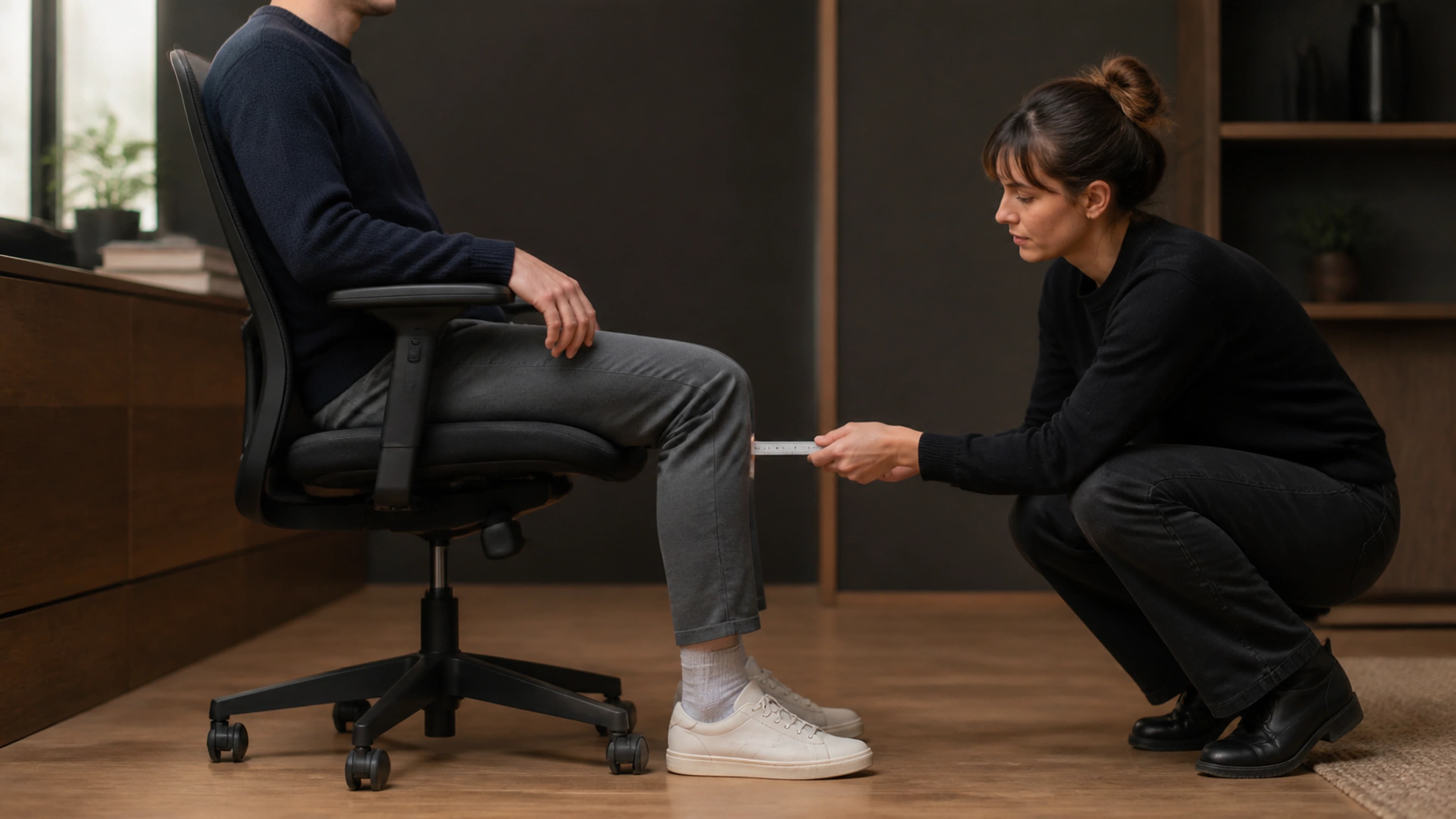
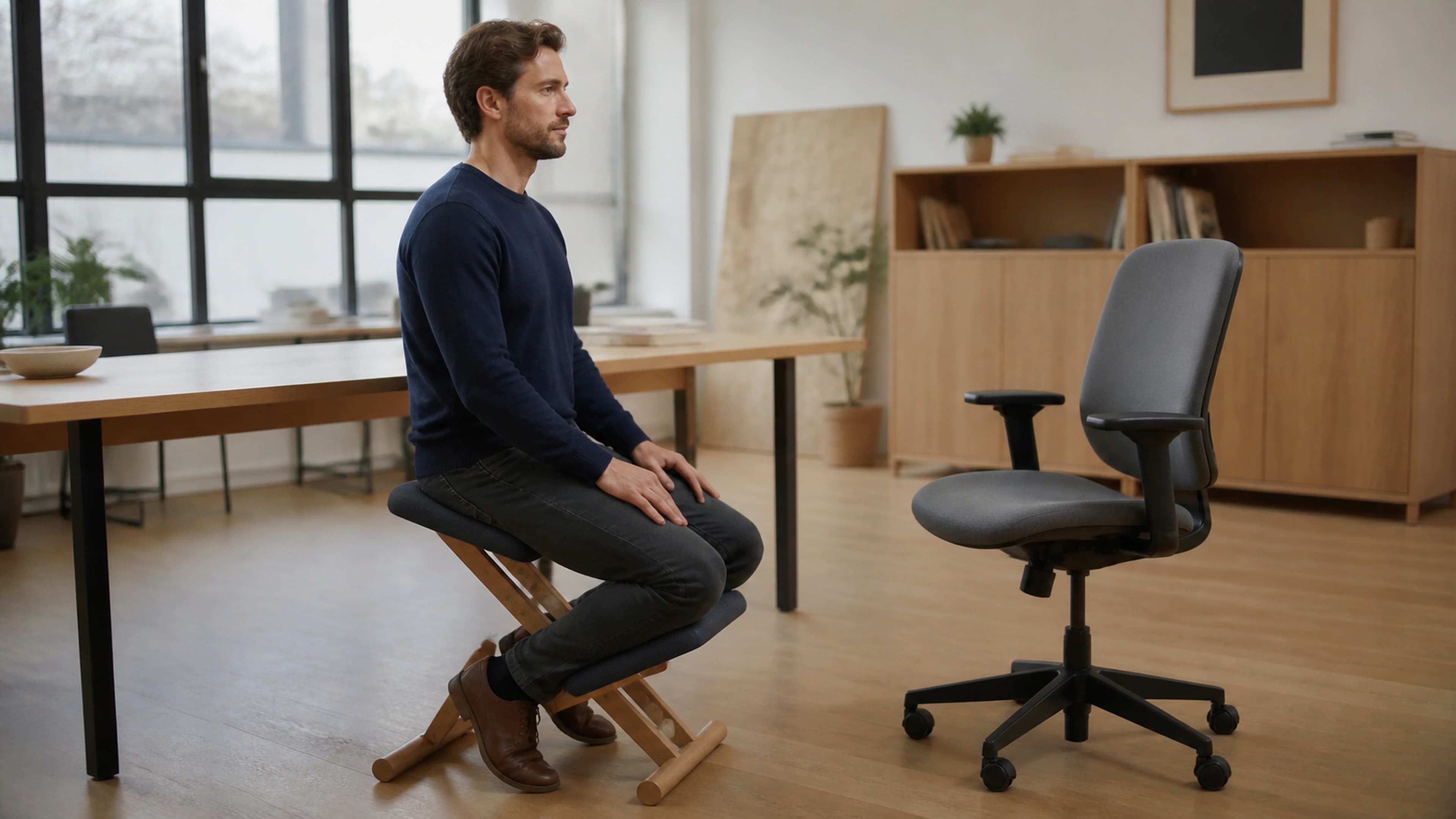
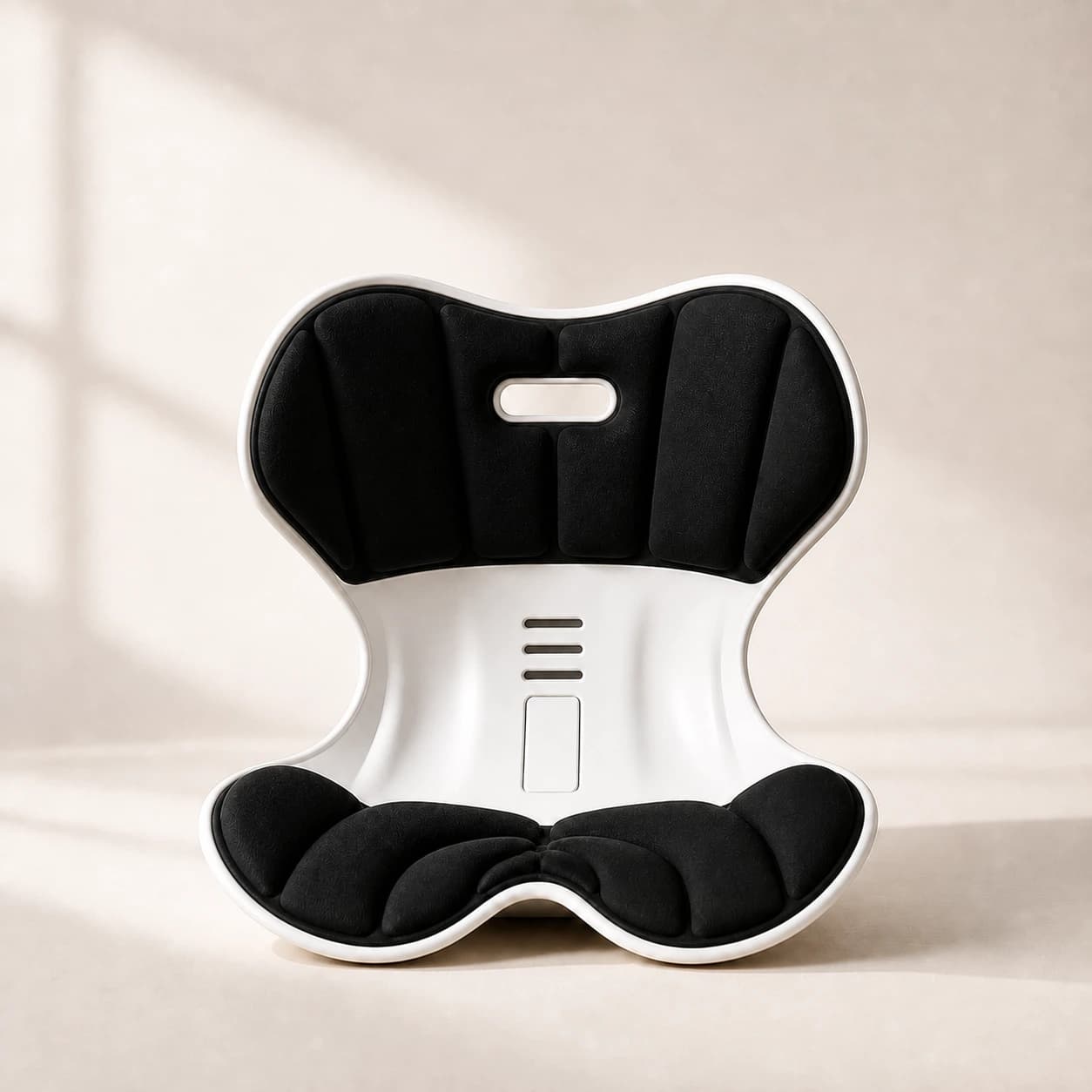
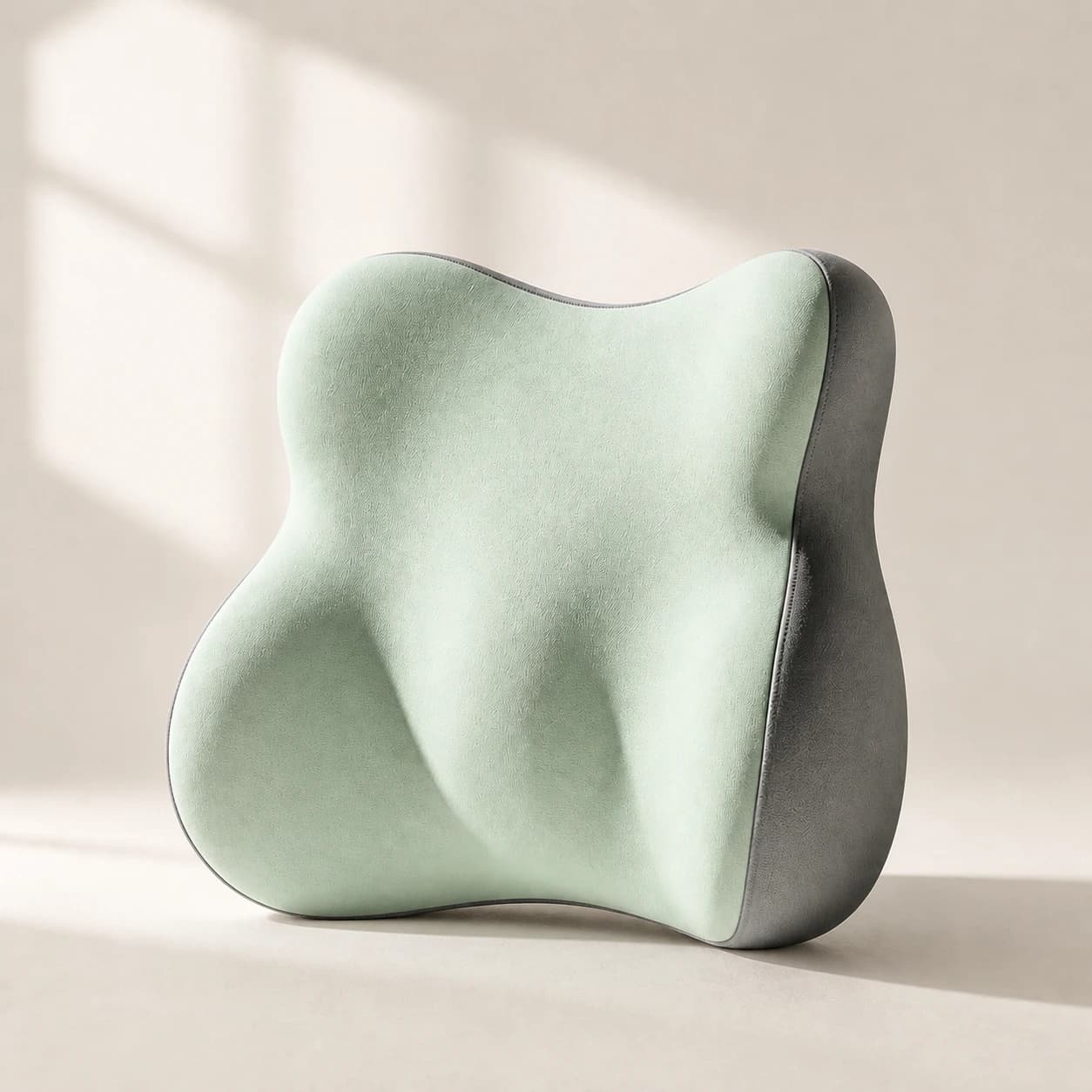
What does not change between the two is the posture you are aiming for. The U.S. OSHA good-working-positions guidance and Cornell University's ergonomics work both describe the same neutral seated baseline: lower back supported in its natural curve, feet flat with knees near a right angle, forearms roughly level with the desk, and the screen near eye height. A chair, mesh or cushioned, earns its keep by helping you hold that, and by adjusting to your body. If a chair cannot be set to fit you, no amount of mesh or foam rescues it. If your current chair is close but the lower back is the only weak point, a separate supportive ergonomic chair or a lumbar add-on may solve it more cheaply than a full swap.
Durability and sag over time
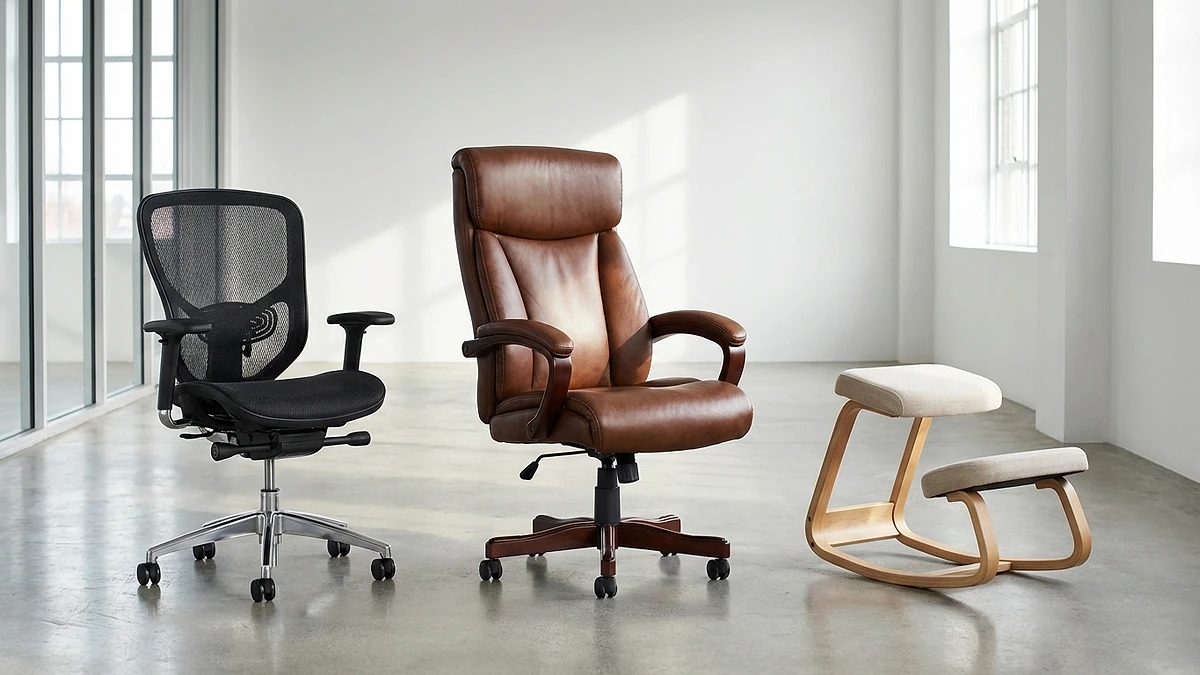
Both materials age, just differently, and how a chair feels in year three matters more than how it feels in the showroom. The failure modes are predictable, so you can shop for the version least likely to bite you.
Mesh fails by loosening. A high-quality mesh holds its tension for years; a cheap one slackens, sags in the middle and stops supporting your back, which is why mesh quality varies more than almost any other chair feature. Cushioned chairs fail by compressing. Foam flattens with use, especially under the sit bones, and once it bottoms out it concentrates pressure exactly where you least want it, on the tailbone and under the thighs. Covers also wear, crack or pill over time. The pattern across both is the same: build quality and warranty predict longevity far better than the material label. A well-made mesh chair outlasts a cheap cushioned one, and a well-made cushioned chair outlasts a cheap mesh one.
- Mesh warning signs. Visible slack in the weave, a hammock-like dip in the seat, or a back that no longer pushes against your lower spine.
- Cushion warning signs. Foam that no longer springs back, a seat that feels like the hard base underneath, or padding that has gone visibly thin in the middle.
- What protects you. A longer warranty, replaceable parts, and a brand willing to state how the mesh tension or foam density is rated.
Who should pick which
Here is the honest sort, with no pretence that one type suits everyone. Match the chair to how you run, not to which looks more premium in a photo.
- Pick mesh if you run hot. A warm room, no strong air conditioning, or a back that gets sweaty by afternoon all point to mesh. Airflow is mesh's genuine edge and it pays off every warm day.
- Pick mesh if you like a firm, supportive back. Some people find a taut mesh back holds them upright better than soft padding that lets them sink and slump.
- Pick cushioned if your room is cool and you like a soft seat. If you run cold, work somewhere air-conditioned, and prefer a plush, padded first-sit, a cushioned chair will feel more comfortable to you, and that preference is valid.
- Pick cushioned if you find firm seats hard on the tailbone. Some people simply need padding under the sit bones, though a good seat cushion on a mesh chair can close that gap too.
- Either, if the chair adjusts well and is built to last. Adjustability and build quality matter more than material. A well-fitted chair of either type beats a badly fitted one of the other.
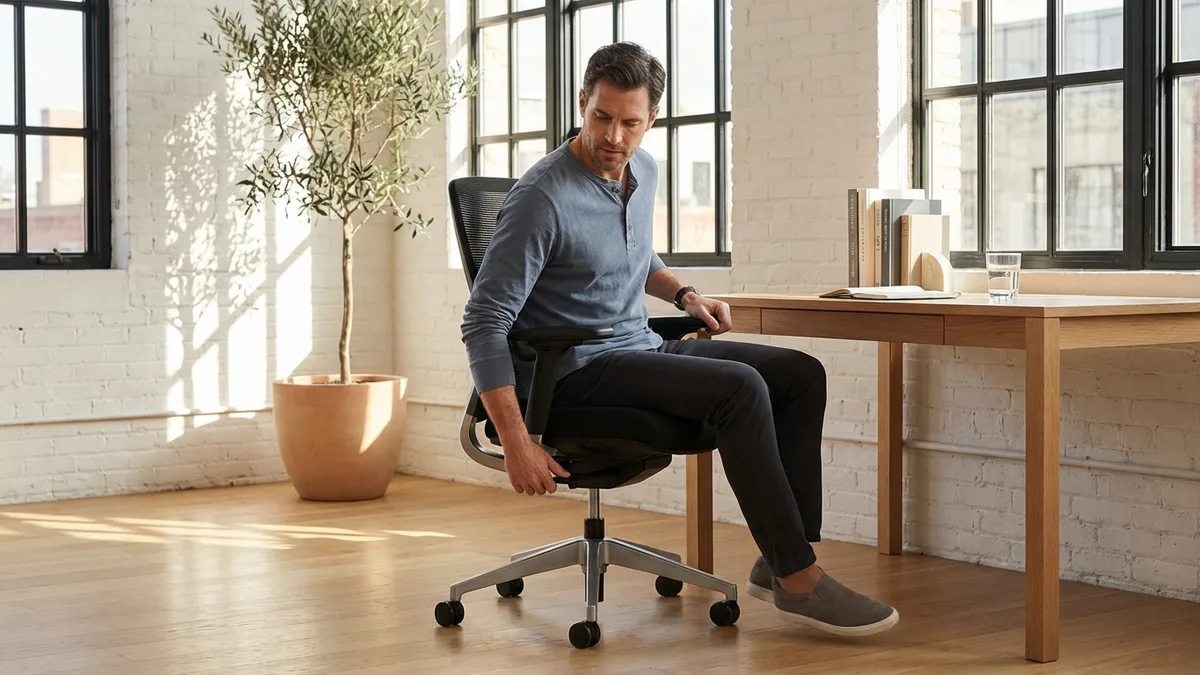
If you are torn purely on the seat feel, note that the choice is not all-or-nothing. A breathable mesh chair paired with a gel seat cushion gives you airflow on the back and padding under the sit bones, which is often the most comfortable combination of all.
Where our mesh chair fits and who it is not for
Our executive mesh chair is built for the first group above: people who run warm, want a breathable back, and value a firm, supportive feel over soft padding. It is designed to hold the neutral posture described earlier and to adjust to your body, which is the part that actually determines whether a chair helps your back. We think it is a strong pick if that description sounds like you.
We will be just as plain about who it is not for. If you run cold, work in a chilly room, and love the cocooned feel of thick padding, a mesh chair will feel firmer and airier than you want, and a cushioned chair is the more honest match. If your only real complaint with your current chair is a hard seat under the tailbone, a mesh chair is more than you need; a single seat cushion may solve it for far less. And if your current chair holds a position and adjusts to fit you, with only the lower back letting you down, a lumbar add-on or a different supportive chair could be the cheaper, smarter spend. We would rather you buy the right thing once than buy our chair because we sell it. Whichever way you lean, our office chair size guide helps you check that the chair you choose, mesh or cushioned, actually fits your body before you commit.
When to see a professional
A chair is a comfort and posture aid, not a medical device, and choosing one is not a substitute for medical advice. Most desk-related aches ease with a chair that fits, a corrected setup and regular movement away from the desk. Some symptoms need a clinician, not a new chair. See a doctor or physiotherapist if your back or neck pain follows a fall or other trauma, if you have progressive weakness or numbness or tingling spreading down a leg or arm, if you lose feeling in the saddle area between your legs, if you lose control of your bladder or bowels, or if pain comes with unexplained weight loss, fever or feeling generally unwell. These can signal something no chair will fix, and the NHS back-pain guidance is clear that they warrant prompt assessment.
The bottom line
Mesh versus cushioned is not a contest with a single winner, it is a match to how you sit. Pick mesh if you run hot or like a firm, supportive back; pick cushioned if your room is cool and you prefer a soft, padded seat; and in both cases let adjustability and build quality, not the material label, lead the decision. If the mesh description fits you, our executive mesh chair is the option we would put forward, judged against the same criteria as everything else, and we have told you plainly when a cushioned chair or a simple cushion is the better call instead. If you would rather weigh both types together first, start with the office chairs collection and choose once, for how you actually work.