
Skip to content

Free shipping over $50

Evidence, with limits

How we use research without overstating it

We use published research as context for product selection and setup. Unless a study tests an ERGOLA product directly, its result is not proof that our product prevents or treats pain.

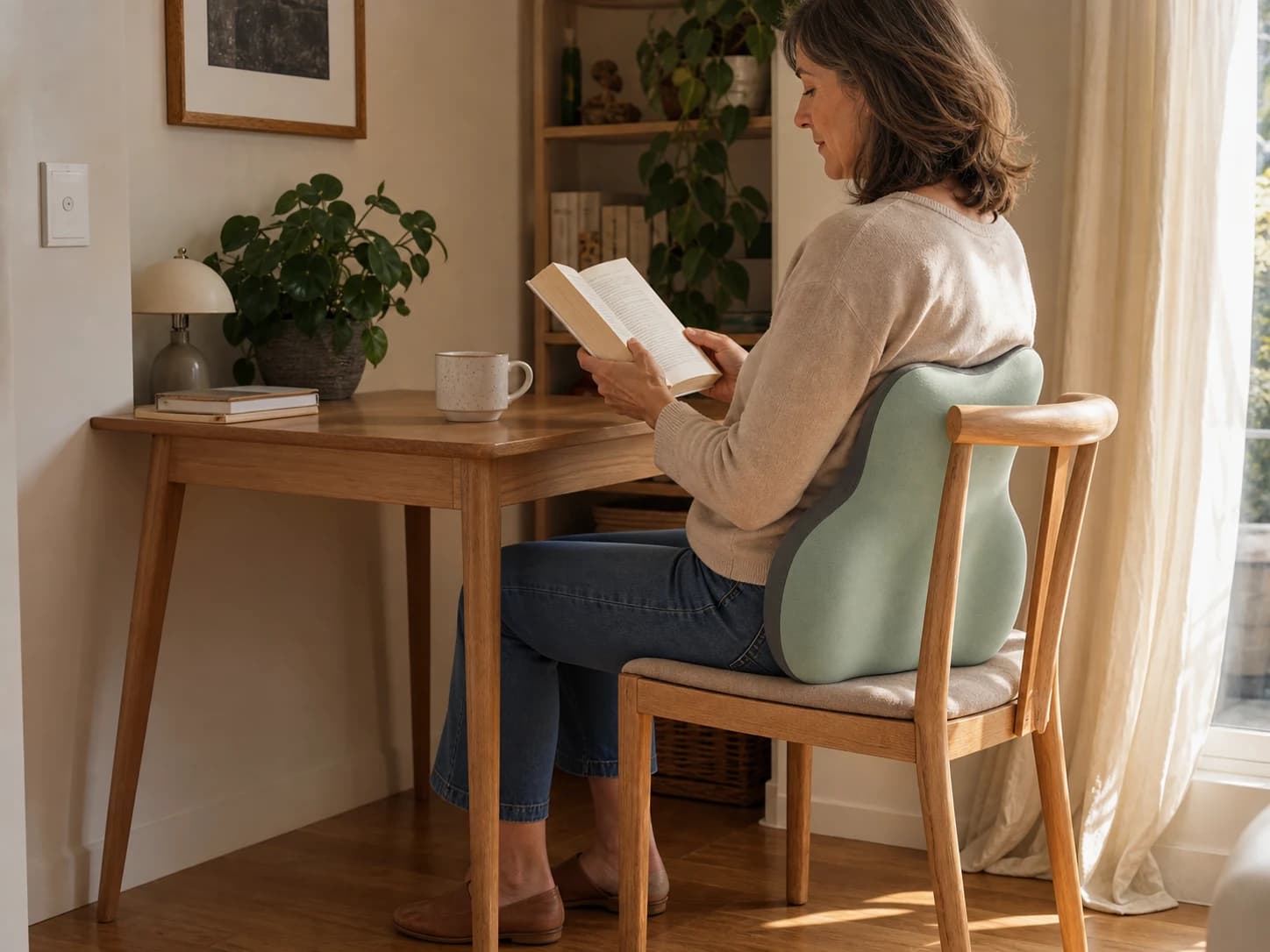
Woman seated with the current LumaWing lumbar cushion supporting her lower back

Three studies, and what they do not prove

Each result stays tied to the exact device, population, outcome, and time period that researchers studied.

Low back pain is a widespread global burden

WHO reports that low back pain affected 619 million people in 2020 and projects 843 million cases by 2050.

Scope and limits

This is population-level context. It does not show that any cushion, chair, or accessory prevents or treats low back pain.
WHO fact sheet: Low back pain (June 19, 2023)

One dynamic cushion changed outcomes in one trial

A 2024 cluster-randomized trial compared a specific dynamic seat cushion with a placebo pad in 133 high-risk office workers over six months. Fewer participants using the dynamic cushion developed low back pain.

Scope and limits

The trial did not test ERGOLA products or fixed support cushions. Among participants who developed pain, it did not reduce pain intensity or disability compared with the control.

Scand J Work Environ Health (2024), PMID: 39169894

A specific lumbar pillow produced modest short-term changes

In a 30-minute study of 28 men, a specific cut-out lumbar pillow produced small changes in spinal angles and improved one objective center-of-pressure measure. Subjective comfort did not change.

Scope and limits

The study was short and tested one pillow design. Its authors said long-term clinical relevance remains unknown, so it cannot prove the performance of a different product.

Lumbar posture study (2013), PMID: 23826832

How to read evidence before applying it

We check four things before research influences a guide: who was studied, what was tested, which outcome changed, and how long the study lasted.

Check the population

We record who took part, the sample size, and whether participants were healthy, at risk, or already experiencing pain.

Why it matters: A finding in 133 high-risk office workers should not be generalized to every person or sitting routine.

Match the exact intervention

We distinguish dynamic seat cushions, fixed seat cushions, lumbar supports, and other accessories instead of treating them as interchangeable.

Why it matters: Evidence for one tested device does not validate a different geometry or product.

Read the outcome and time frame

We separate posture, discomfort, new pain episodes, pain intensity, disability, and long-term clinical outcomes.

Why it matters: A 30-minute posture change does not establish durable relief or treatment benefit.

Publish the transfer limits

We state when research is general context rather than direct evidence for an ERGOLA product.

Why it matters: This keeps shopping guidance useful without turning it into a medical claim.

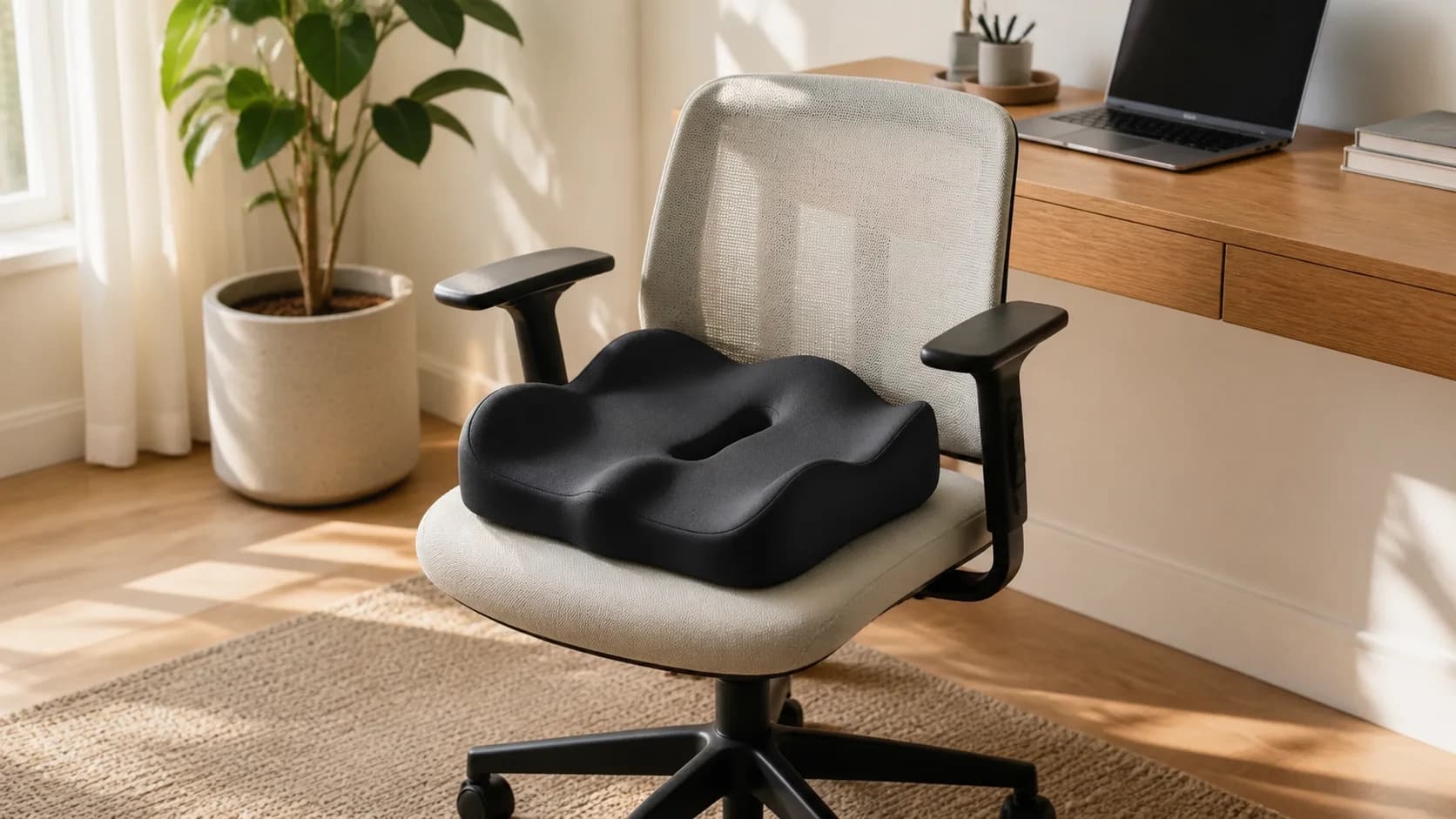
Current SeatNest memory cushion fitted to an office chair for a practical fit check

Fit and use checkpoints

Adjust one variable, then assess what changes

These checkpoints help you assess fit and daily use. They are not a treatment timeline, and a support product should not be used to justify longer uninterrupted sitting.

Before use

Record your baseline

Note where discomfort appears, how long you normally sit, and which adjustments you already use. This makes later changes easier to interpret.

First sessions

Check fit and pressure

The product should not create numbness, sharp pressure, or a forced posture. Reposition it or stop using it if symptoms worsen.

First 1-2 weeks

Keep changing position

Continue normal movement breaks and position changes. Support should complement movement, not replace it.

Ongoing

Review the result honestly

Keep only products that fit your body, seat, and routine. Persistent, severe, or worsening symptoms need qualified clinical advice.

Reference library

Primary sources used to shape our evidence framework.

Epidemiology and burden

WHO: Low back pain fact sheet

Population burden, prevalence trend, and system-level implications for prevention and care.

Open source

The Lancet Series: Low back pain (2018)

Global framing of low back pain and the need for evidence-led prevention and management.

Open source

Workplace and movement interventions

Dynamic seat cushion trial in high-risk office workers (2024, PMID: 39169894)

A six-month cluster-randomized trial of one dynamic cushion in 133 office workers, with results that should remain tied to that device and population.

Open source

Lumbar support mechanics

Short-term lumbar pillow posture study (2013, PMID: 23826832)

A 30-minute study of one cut-out pillow in 28 men, with small posture changes, no subjective comfort change, and unknown long-term clinical relevance.

Open source

Turn evidence into better setup decisions

Use these guides to compare product type, fit, setup, and daily use without treating them as clinical prescriptions.

Practical next step

Choose for fit, not for a medical promise

Use dimensions, firmness, and setup guidance to narrow the options. If pain is persistent, severe, or worsening, seek qualified clinical advice.

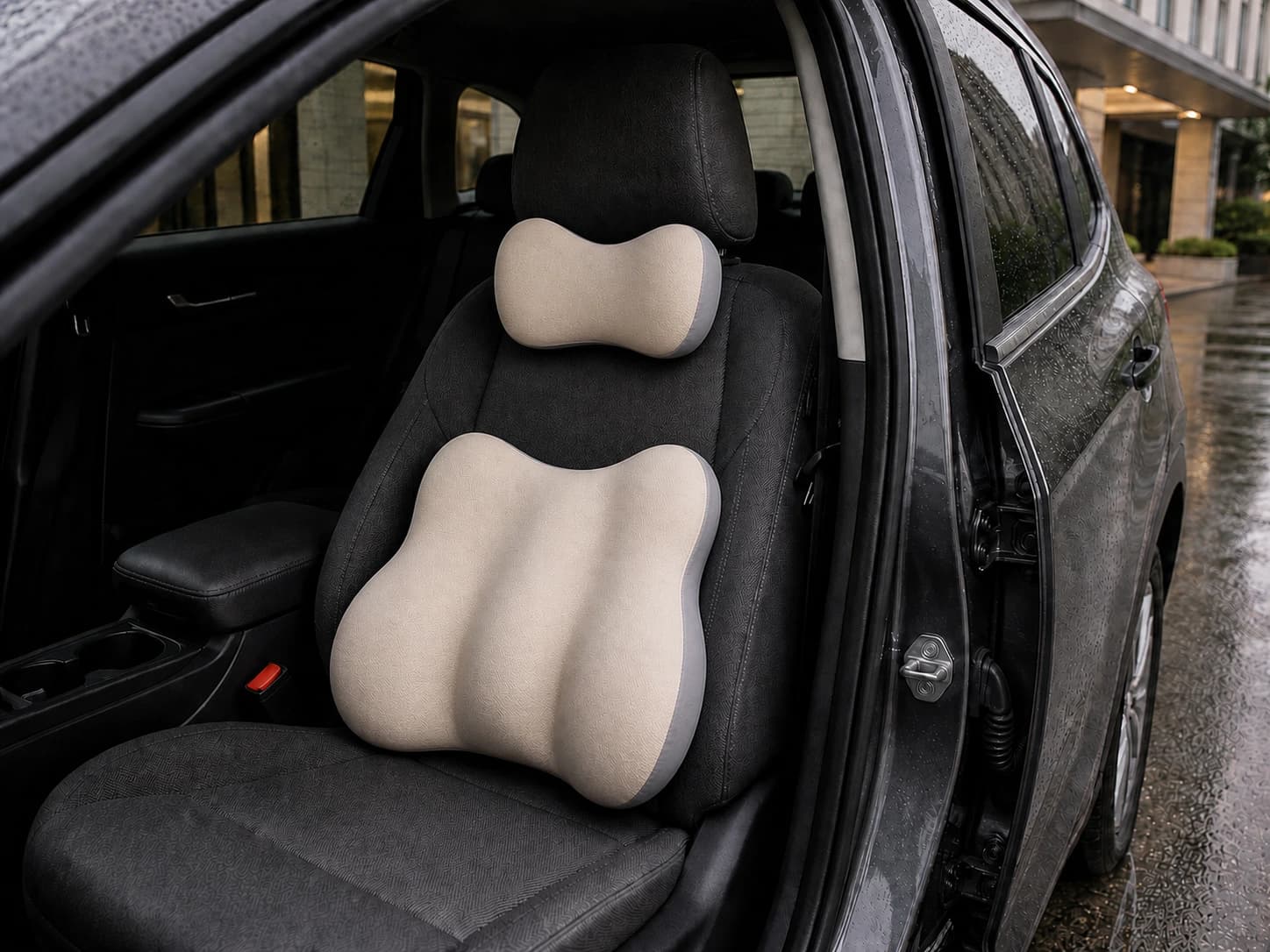
Current DriveNest Duo lumbar and neck supports fitted inside a car