
Kneeling Chair vs Office Chair: An Honest Guide
You have read that a kneeling chair fixes posture by tipping your hips forward and opening the angle between your thighs and torso, and you are wondering whether to swap your office chair for one. The honest answer to kneeling chair vs office chair is that a kneeling chair changes how you sit rather than curing anything, and for most people a well-adjusted office chair plus regular movement is the more reliable and more comfortable choice.
This is a buying framework, not a sales pitch. We sell office chairs, so we have an obvious bias and we will name it as we go, including the part where a kneeling chair, or no new chair at all, is the better answer for some readers. We will judge our own chair against the same criteria as everything else, and tell you plainly who should not buy it.
One scope note before the comparison. A chair is a comfort and posture aid, not a medical device. If your back or hip pain is severe, came on after a fall, or comes with the warning signs we list near the end, that is a question for a clinician, not a shopping decision. The single most useful thing any seat does for your body is let you change position and get up often, and no chair design escapes the fact that staying in one posture for hours is the real strain.
How a kneeling chair works
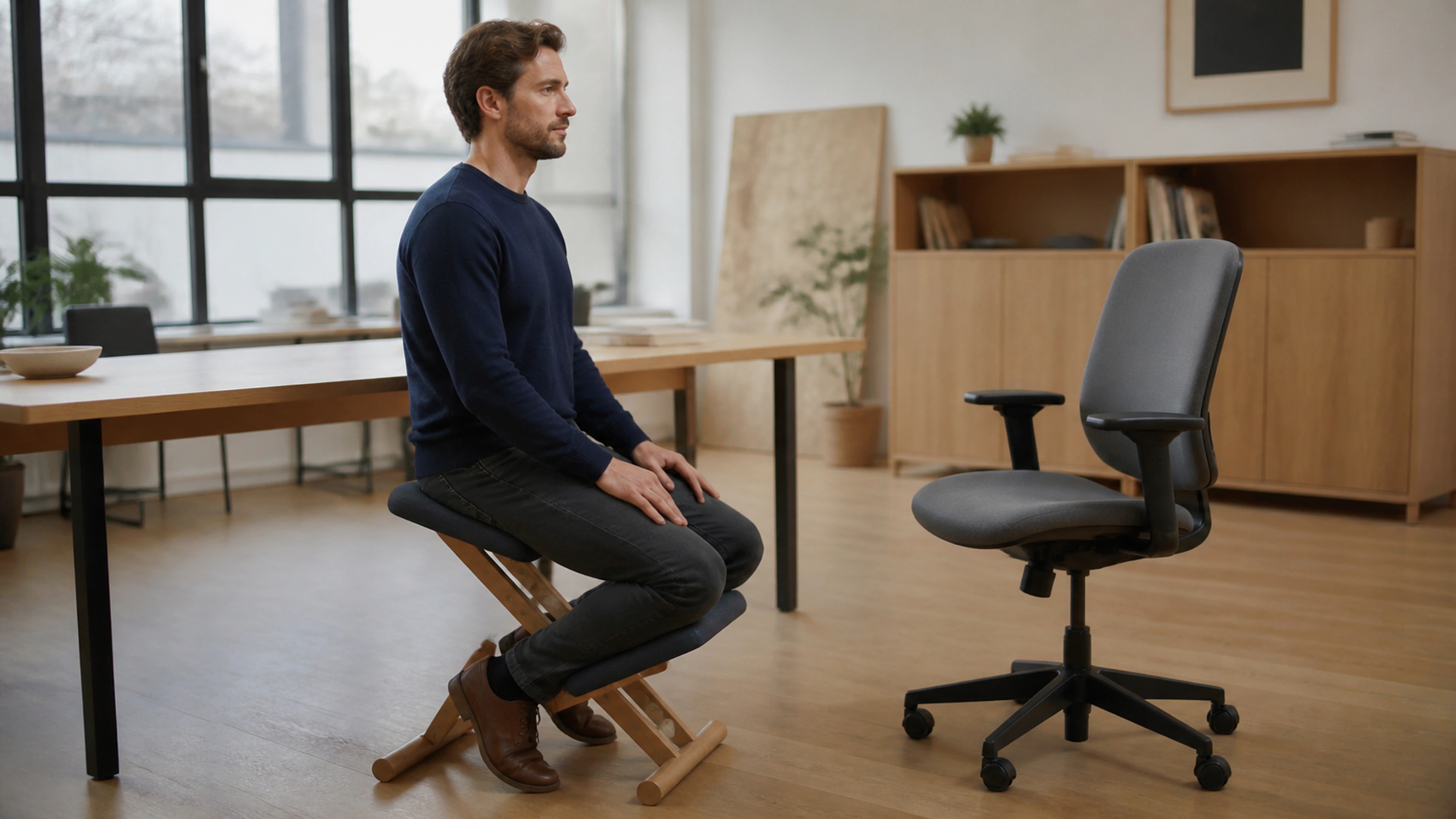
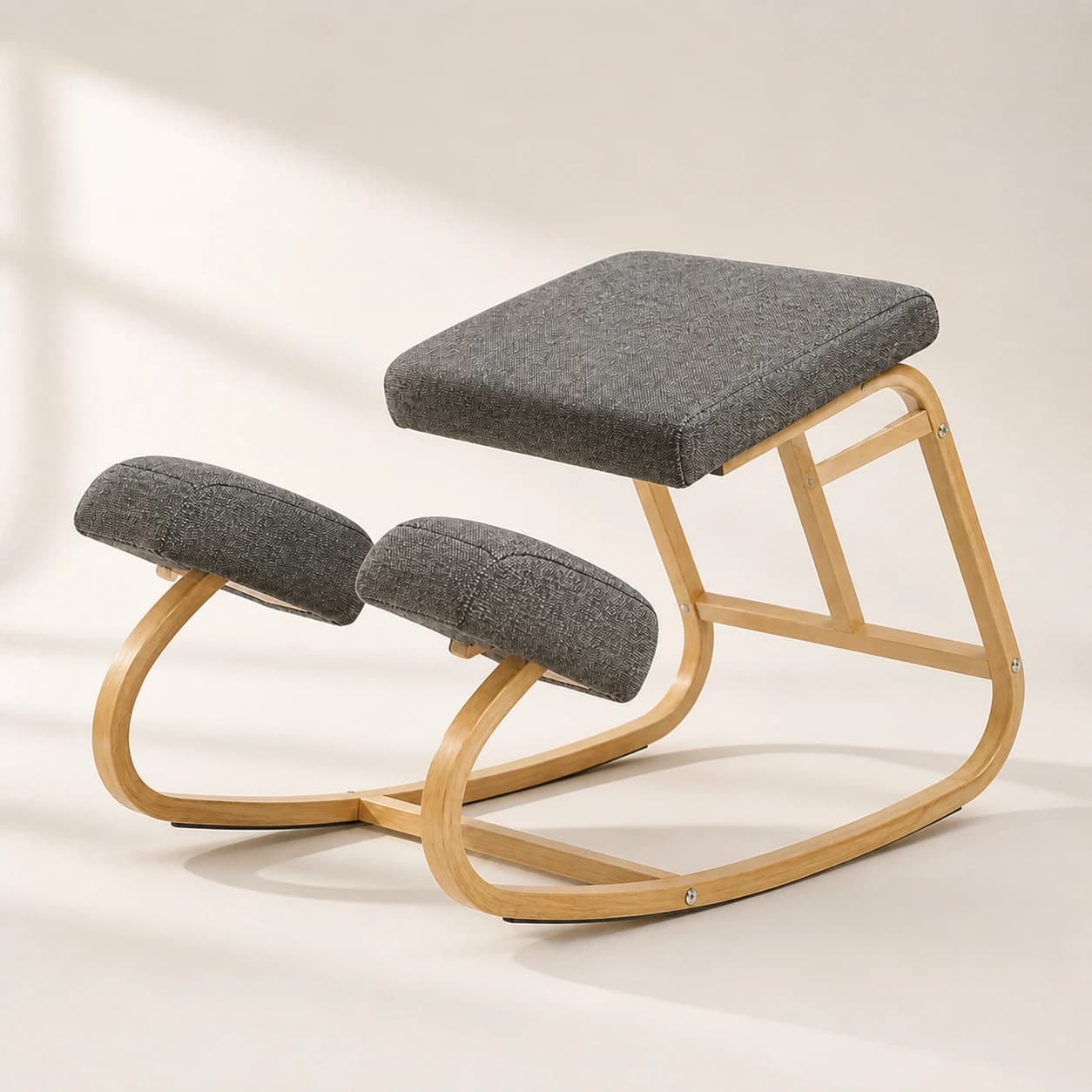
A kneeling chair has no conventional seat-and-back arrangement. You perch on a forward-sloping seat pad with your shins resting on a lower pad or pair of pads, so your weight is shared between your sit bones and your shins. The downward slope tips your pelvis forward and opens the angle at your hips, often to something like 110 to 120 degrees rather than the roughly 90 degrees of an upright office chair.
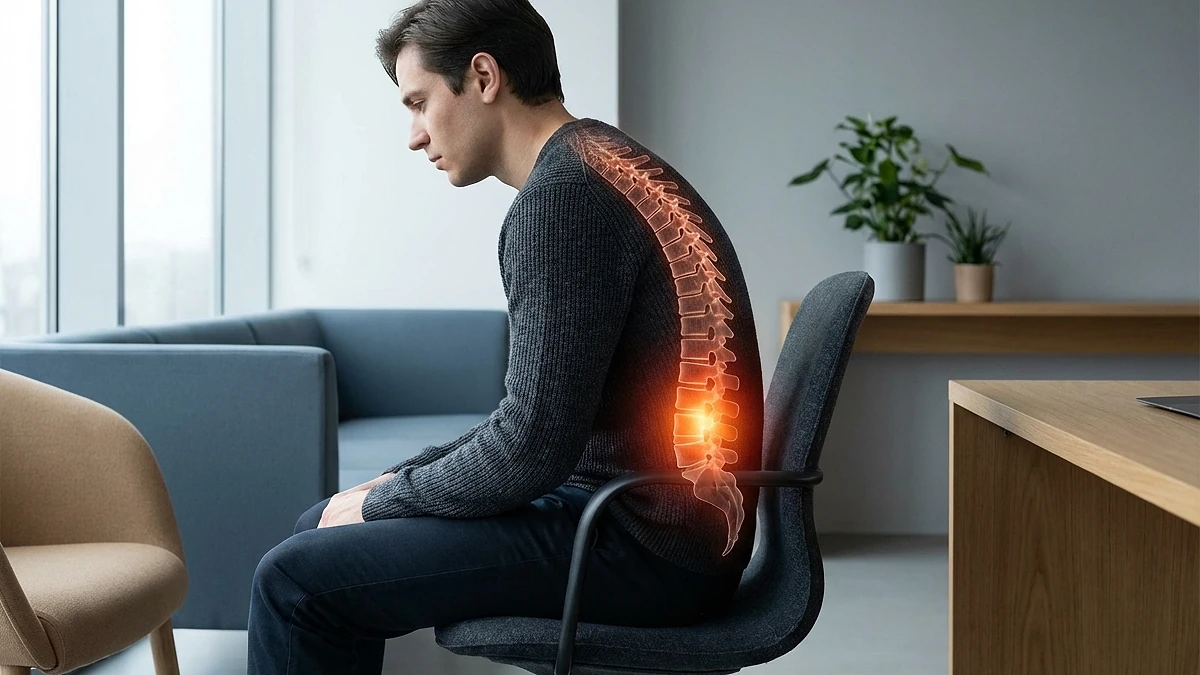
The idea behind that open angle is reasonable on its face. When you sit upright with thighs horizontal, the muscles at the back of your hips and thighs pull your pelvis into a backward tilt, which tends to flatten the natural inward curve of your lower back into a slump. Tipping the pelvis forward encourages that lumbar curve to return, and that neutral curve is exactly what ergonomics guidance asks you to maintain. The U.S. OSHA good-working-positions guidance describes the seated baseline as a supported lower back held in its natural curve, with the head and torso roughly upright over the hips. A kneeling chair tries to reach that posture from a different starting angle.
Where the design quietly shifts the problem is what it removes to get there. Most kneeling chairs have no backrest at all, so the upright posture is held entirely by your own back and core muscles, and a share of your body weight now rests on your shins and knees rather than fully on the seat.
Claimed benefits versus the evidence
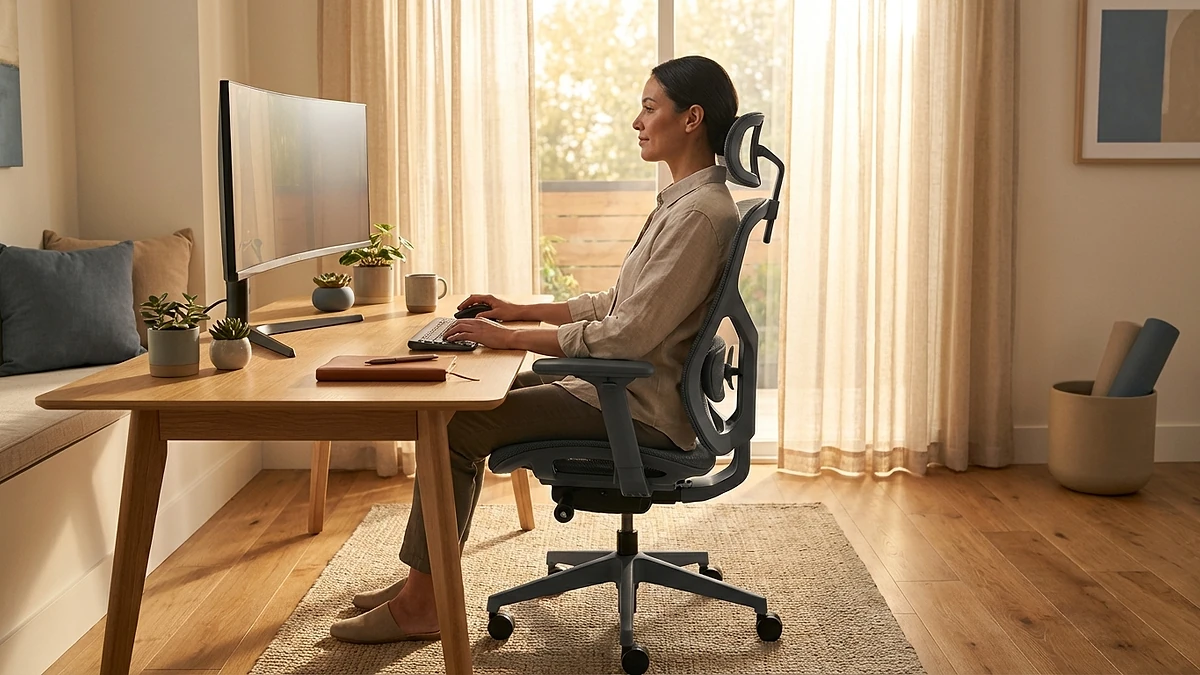
The honest summary is that the strongest claims for kneeling chairs run ahead of the evidence, so it is worth separating what is plausible from what is proven. The plausible part is the geometry. Opening the hip angle does tend to encourage a more neutral pelvis and a restored lumbar curve, and sitting more upright with that curve maintained is the posture ergonomics sources consistently recommend. Cornell University's ergonomics work and the OSHA positions guidance both centre on keeping the lower back in its natural curve, and a forward-tilted seat is one way some people reach it.
The part that runs ahead of the evidence is the leap from a better posture to a treatment. A kneeling chair is not shown to cure back pain, and we will not pretend otherwise; the certainty here is limited and the honest framing is that it changes your position rather than fixing an underlying problem. What the broader research is far more confident about is movement. The NHS back-pain guidance is clear that staying active and avoiding long static spells matters more for most everyday back pain than any single piece of equipment, and the CCOHS overview of working in a sitting position describes prolonged static sitting itself as a strain on the body regardless of the chair. A kneeling chair does not solve that, because you can sit just as still in one as in any other seat.
So the fair verdict is narrow. A kneeling chair can help some people find and hold a more upright, neutral-spine posture, which is a real benefit if slumping is your specific problem. It is not a cure, the supporting evidence is thin, and it does nothing about the deeper issue of not moving enough.
The downsides nobody mentions in the photos
The marketing images never show the parts of a kneeling chair that make people give up on them, so here they are plainly. None of these are deal-breakers for everyone, but you should know them before you spend.
- Shin and knee pressure. Some of your weight now rests on your shins and the front of your knees. Many people find this comfortable for half an hour and aching by hour two, and anyone with knee problems may find it unworkable.
- No backrest. Most kneeling chairs offer nothing to lean against, so your back and core hold you upright unaided. That can build fatigue over a long day, and when those muscles tire you slump anyway, losing the posture you bought the chair for.
- Hard to shift position. A good office chair lets you recline, lean, cross your legs and change posture constantly. A kneeling chair largely locks you into one position, which is the opposite of the frequent posture changes that sitting guidance actually recommends.
- Getting in and out. The perched stance is more awkward to enter and leave than a normal chair, which quietly discourages the regular standing breaks that matter most.
- Restricted circulation risk. Pressure on the shins and the bent-knee position can feel tight or tingly for some people over long stretches, another reason these chairs suit shorter sessions better than full days.
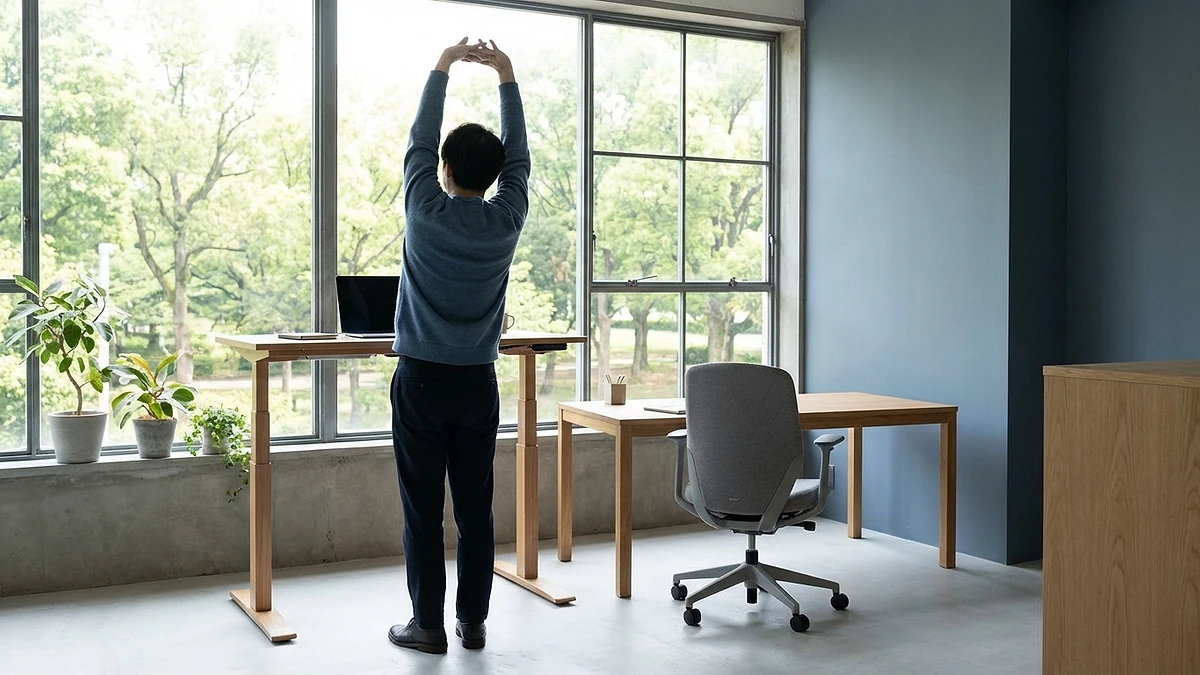
Taken together, these downsides explain a common pattern: people love a kneeling chair for short, focused stints and quietly return to a normal chair for the bulk of the day. That is not a failure of the user; it is the design trading away support and adjustability to gain its open hip angle.
Who might genuinely benefit from a kneeling chair
A kneeling chair is not a bad product, it is a niche one, and there are real cases where it earns its place. The honest sort is about matching the design to how you actually work.
- You slump badly and nothing else has fixed it. If your core problem is sliding into a rounded-back slump and a conventional chair has not broken the habit, the forced pelvic tilt of a kneeling chair can be a useful posture reset.
- You sit in short, focused blocks. If your seated work comes in 20 to 40 minute bursts rather than eight-hour marathons, the shin pressure and lack of a backrest matter far less.
- You want a second seat to alternate with. Some people keep a kneeling chair alongside a normal chair and switch between them through the day, which is closer to the constant posture variation that sitting guidance favours than committing to either alone.
- You have healthy knees and shins. The design rests weight on your lower legs, so it only works if those joints tolerate it comfortably.
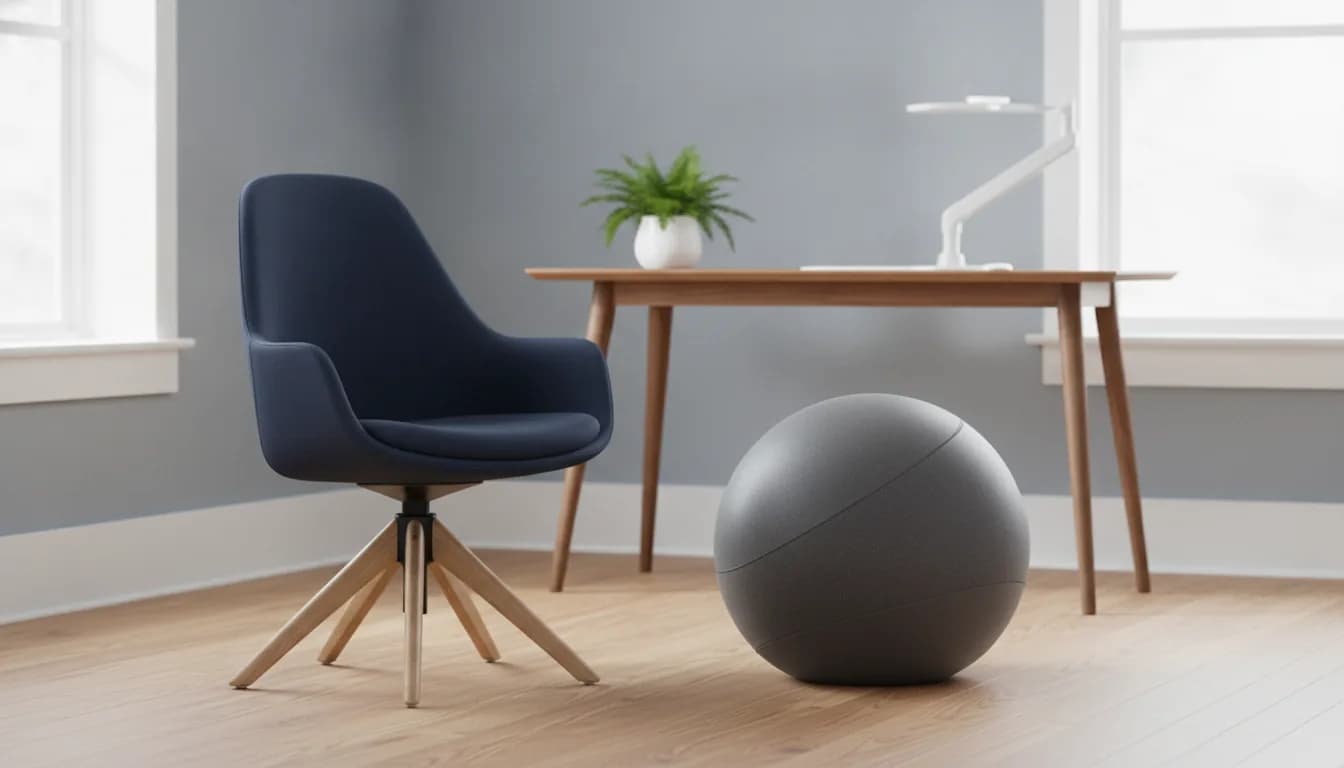
Notice the thread running through all of these: a kneeling chair works best as part of a moving, varied setup, not as a single chair you sit in all day. If you want a sense of how that kind of varied, posture-shifting routine is built, our exercise ball versus office chair comparison walks through the same tradeoff for another popular alternative seat.
Why most people do better with an adjustable chair plus movement
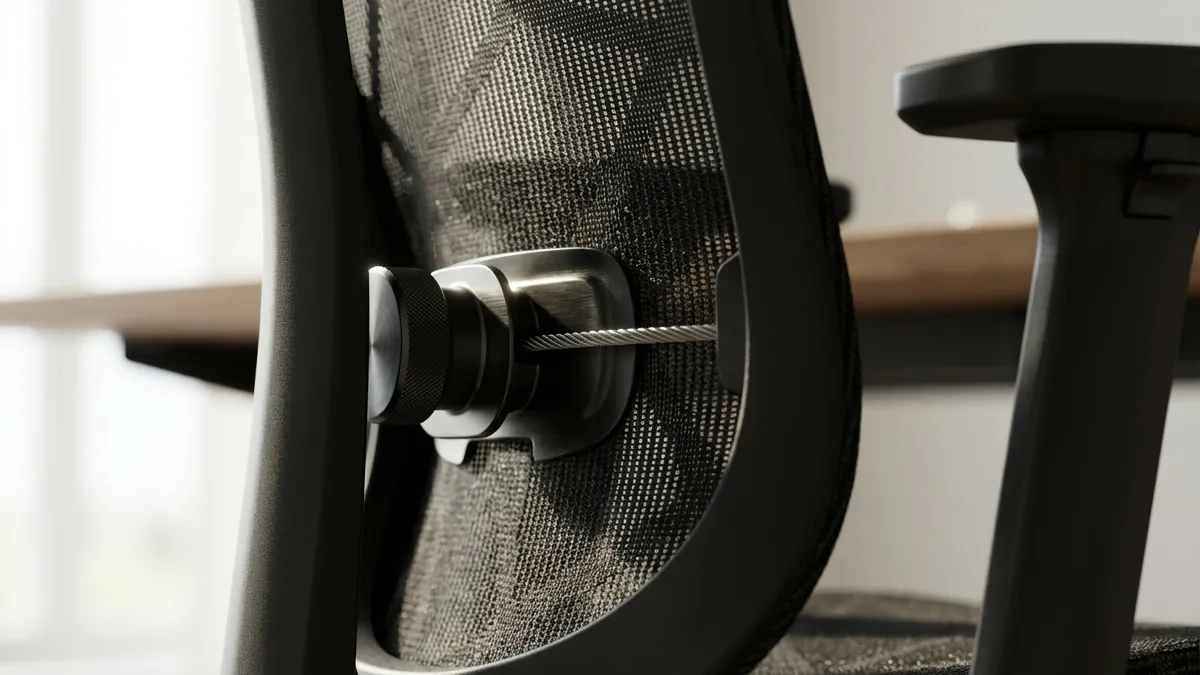
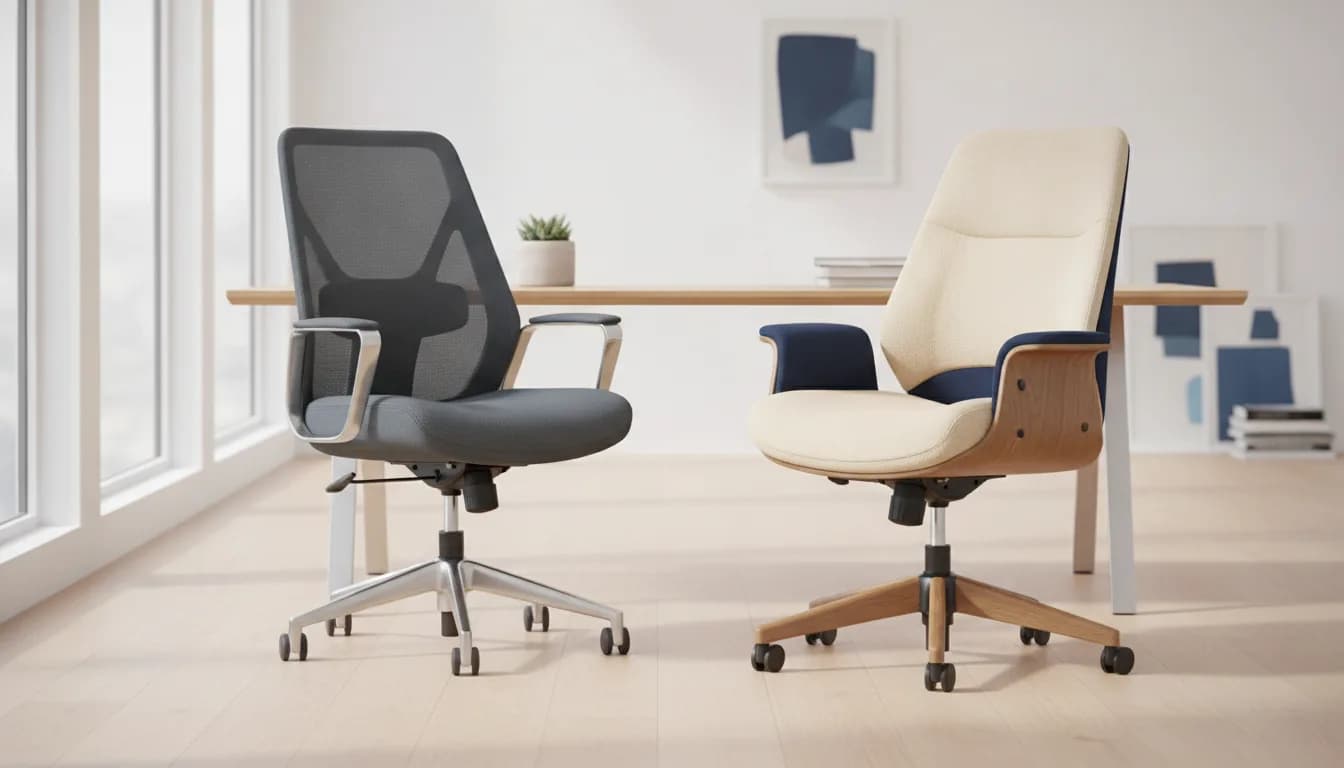
For the majority of desk workers, the more reliable path is a properly adjustable office chair plus a deliberate habit of moving, because it gives you the posture benefit without surrendering support, comfort or the ability to shift. An adjustable chair lets you set seat height so your feet sit flat and your knees land near a right angle, set lumbar support so your lower back keeps its natural inward curve, and recline to share load with the backrest when your core tires. That is the same neutral posture a kneeling chair chases, reached in a way you can hold for a full day rather than half an hour.
The part the chair cannot do is the part that matters most, and the evidence is consistent on this. Both the NHS back-pain guidance and the CCOHS sitting overview point in the same direction: the problem with desk work is less the exact shape of the chair and more how long you stay still in it. The fix is movement woven into the day, standing, walking and changing posture regularly, and the general physical-activity guidance from the U.S. CDC reinforces that adults benefit from breaking up sitting with activity across the week. A kneeling chair does nothing here that a normal chair plus a micro-break habit does not do better, because you can sit motionless in either.
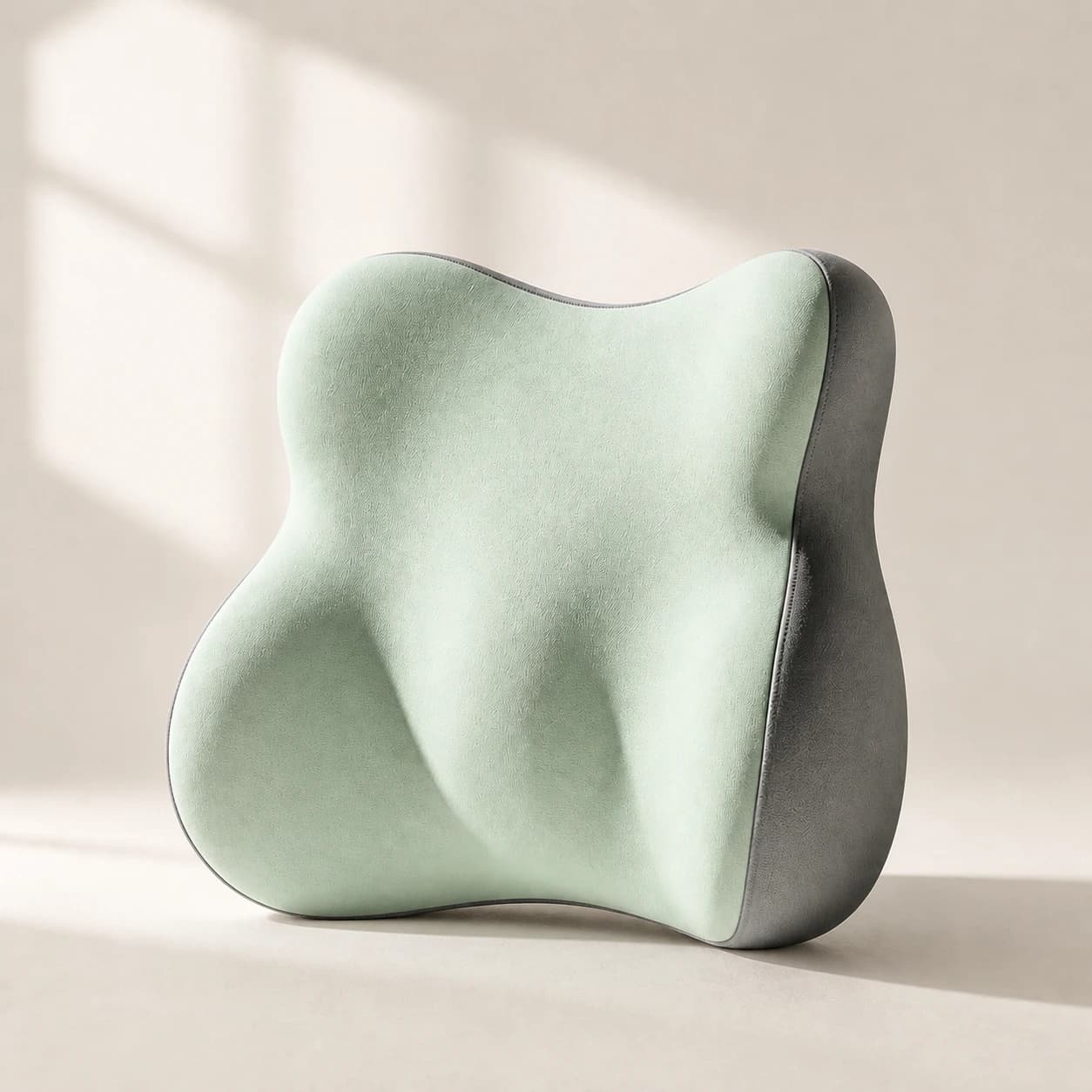
So the framework for most people is simple. Get a chair that adjusts to your body, set it to hold a neutral spine, and then build movement on top of it. If your current chair already adjusts and only the lower back lets you down, a different supportive chair or a lumbar add-on may be a smarter spend than any alternative-seat experiment.
Our take, and who our chair is not for
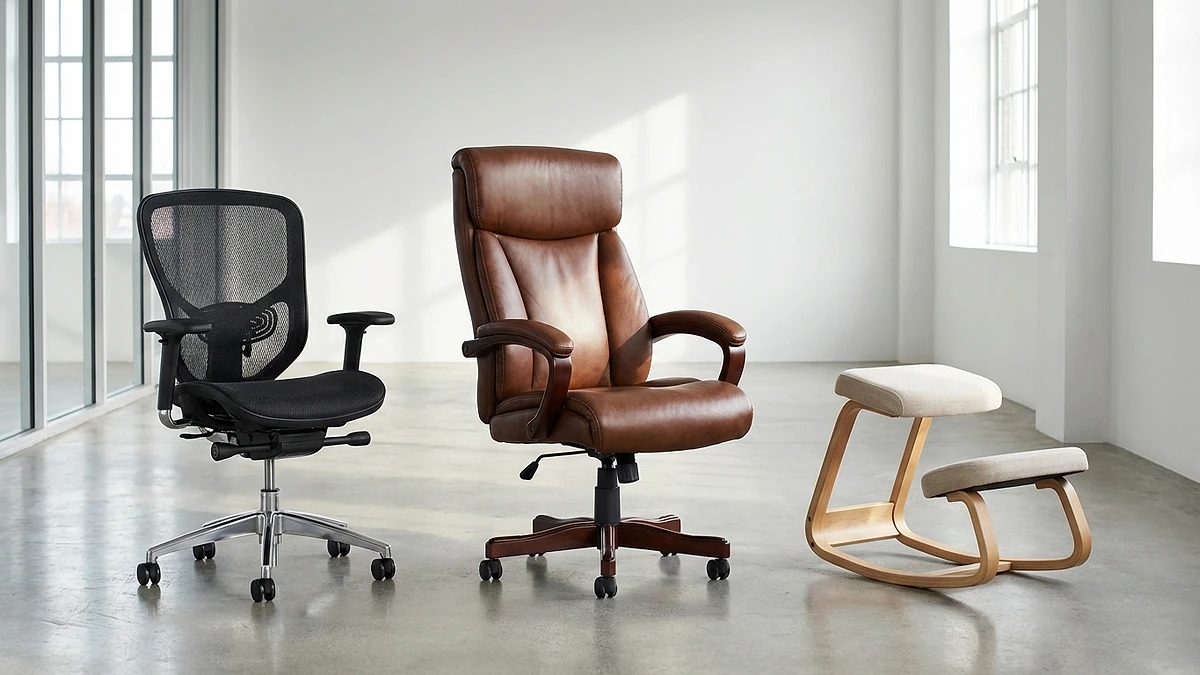
Our position is that an adjustable office chair plus movement beats a kneeling chair for most full-day desk work, and our LumaSpine Pro ergonomic office chair is built for exactly that. It adjusts to set the neutral posture described above, supports your lower back so your core is not the only thing holding you up for eight hours, and reclines so you can change position through the day rather than locking into one. That adjustability and that ability to shift are precisely what a kneeling chair gives up, and they are what make a chair workable across a real working day.
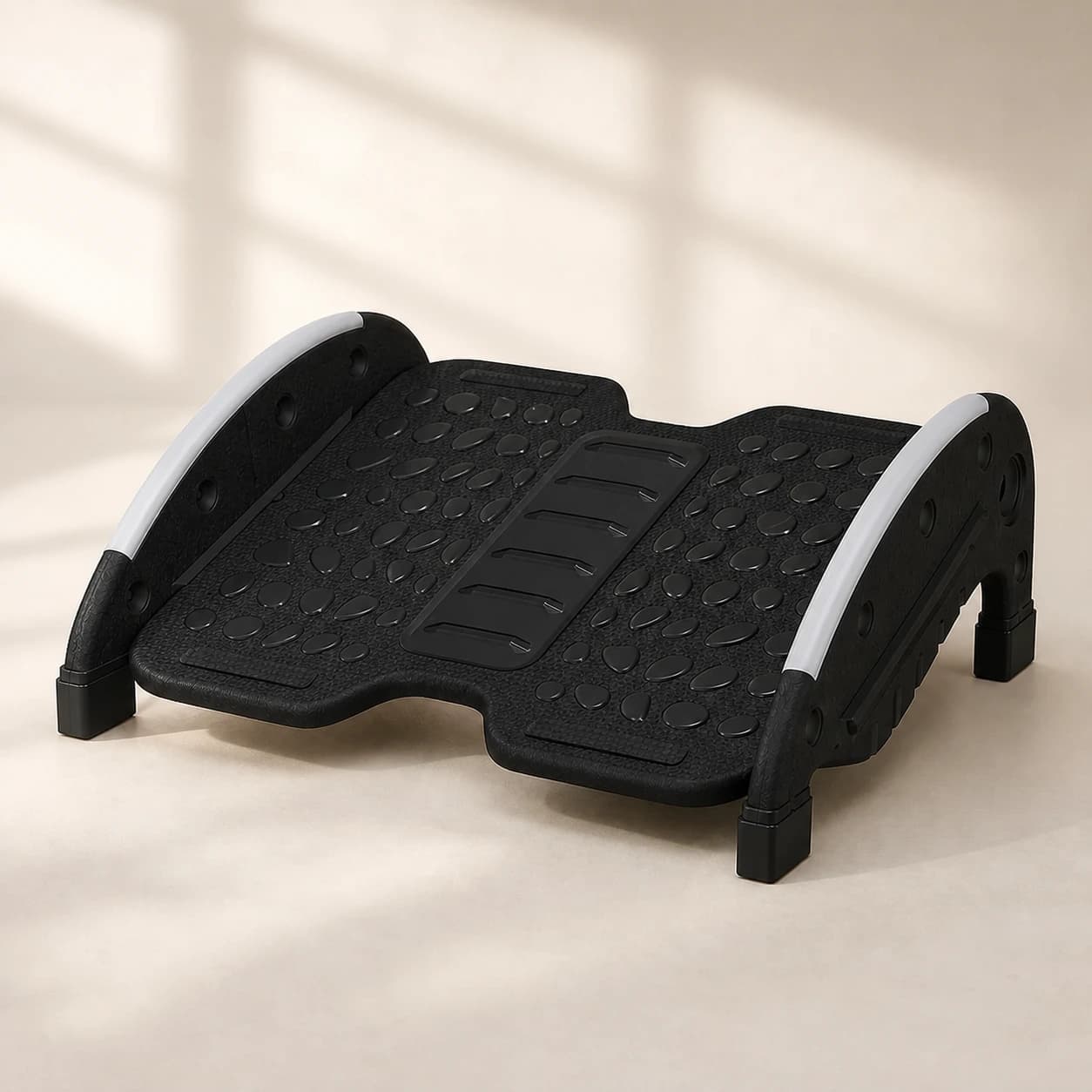
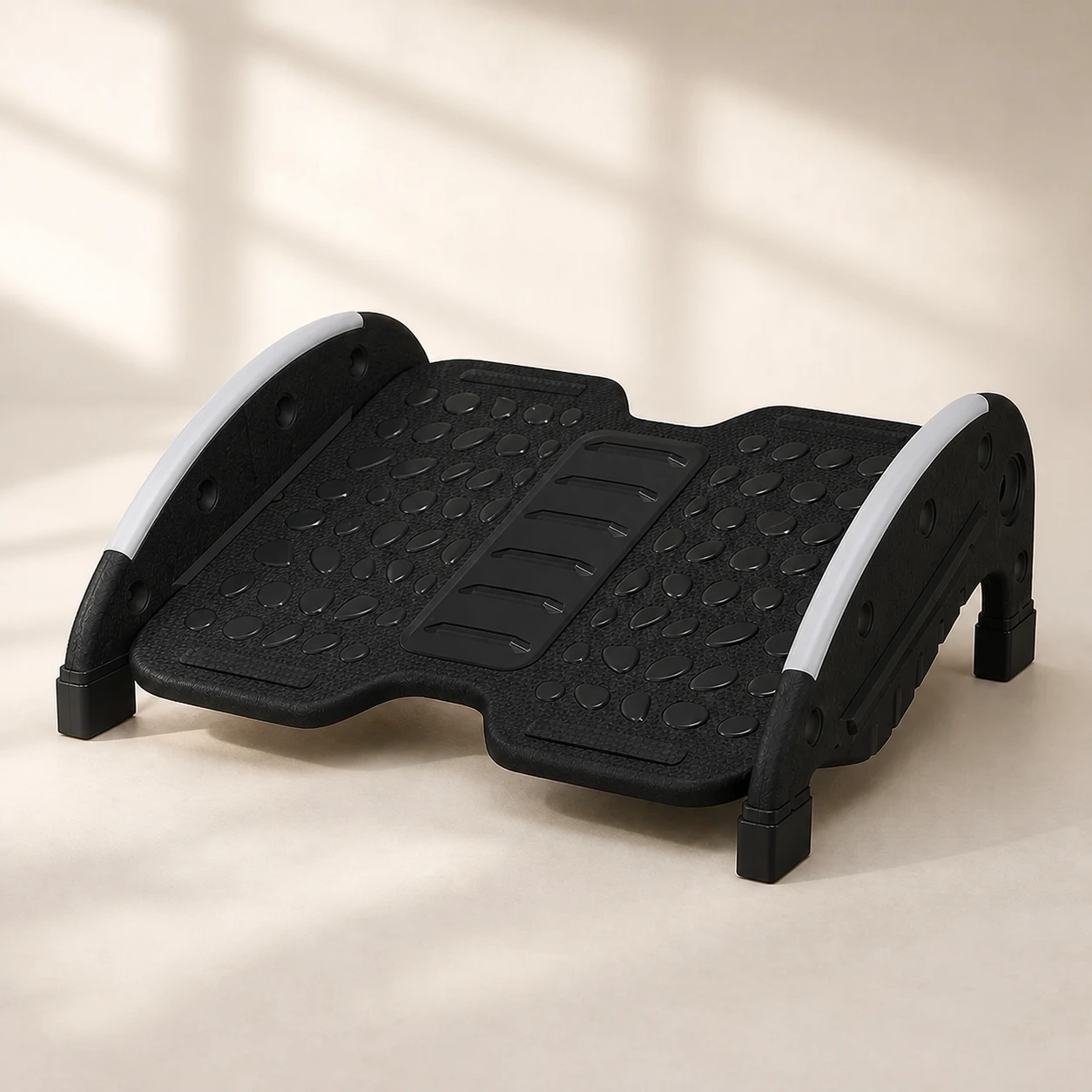 Product mentioned in this guideFlexRock DuoTwo-mode under-desk footrest with a user-controlled rocking option, fixed 15° support, and a reversible 40 × 30 cm textured platform.Free US shipping on every order60-Day Home Trial · we pay return shippingSee current price
We will be just as plain about who it is not for. If your problem is genuinely that you slump and nothing has broken the habit, a kneeling chair's forced pelvic tilt may help you in a way a conventional chair has not, and trying one is reasonable. If you only ever sit in short bursts, almost any seat will do and a full ergonomic chair is more than you need. And if your current chair already adjusts well and holds you in a good position, you may not need a new chair at all; a footrest such as our ergonomic foot rocker to keep your feet supported and add a little movement could be the cheaper, smarter fix. We would rather you buy the right thing once than buy our chair because we sell it.
When to see a professional
A chair is a comfort and posture aid, not a medical device, and choosing one is not a substitute for medical advice. Most desk-related aches ease with a seat that fits, a corrected setup and regular movement away from the desk. Some symptoms need a clinician, not a different chair. See a doctor or physiotherapist if your back, hip or knee pain follows a fall or other trauma, if you have progressive weakness or numbness or tingling spreading down a leg, if you lose feeling in the saddle area between your legs, if you lose control of your bladder or bowels, or if pain comes with unexplained weight loss, fever or feeling generally unwell. These can signal something no chair will fix, and the NHS back-pain guidance is clear that they warrant prompt assessment.
The bottom line
A kneeling chair is a niche tool, not a cure. It can help some people who slump find a more upright, neutral-spine posture, and it suits short, varied stints, but it trades away the backrest, the adjustability and the easy position changes that make a chair workable for a full day, and the evidence for it as a fix is thin. For most desk workers the more reliable answer is an office chair that adjusts to your body, set to hold a neutral spine, plus a steady habit of moving. If that sounds like you, our LumaSpine Pro ergonomic office chair is the option we would put forward, judged against the same criteria as everything else, and we have told you plainly when a kneeling chair or no new chair at all is the better call instead. If you would rather weigh several supportive chairs together first, start with the office chairs collection and choose once, for how you actually work.