
Exercise Ball vs Office Chair: An Honest Look
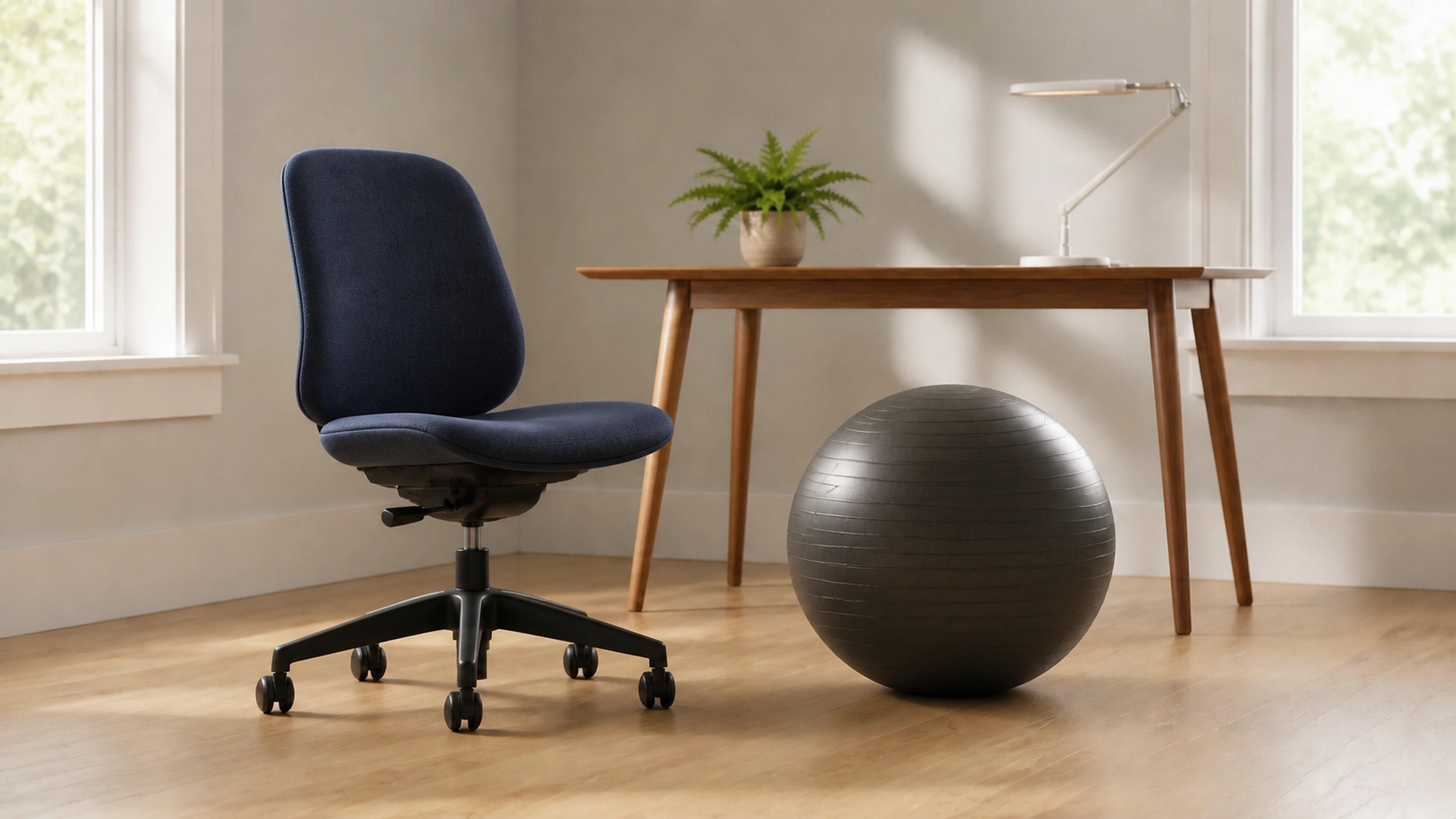
You have seen the photo: someone perched on a big rubber ball at their desk, supposedly building core strength and fixing their posture one keystroke at a time. The idea is appealing because it promises something for nothing, a workout you get just by sitting. The honest answer to exercise ball vs office chair is that the ball does not earn the daily desk seat. The benefits people expect from it are not well supported, and the downsides are real and predictable.
This is a buying framework, not a sales pitch, and we will name our bias up front. We sell ergonomic chairs, so we have an obvious reason to talk you out of a cheap ball. We have tried to keep this honest anyway: where the evidence is thin we say so plainly, we judge our own chair against the same criteria as everything else, and we tell you exactly who should not buy it and when a ball, or no purchase at all, is the better call.
One scope note before we start. A chair, and a ball, are comfort and posture aids, not medical devices. If your back pain is severe, followed a fall, or comes with the warning signs we list near the end, that is a question for a clinician, not a shopping decision. And the single biggest thing any seat can do for your body is let you move and change position often, which matters more than what you sit on.
The exercise-ball-as-a-chair idea
The pitch is simple and that is part of why it spread. Because a ball is unstable, the theory goes, your trunk muscles have to keep firing to keep you balanced, so you build core strength and "active sitting" while you work. Some people also believe the lack of a backrest forces better upright posture, since there is nothing to slump against.
It is an attractive story. It frames a long sedentary day as secretly productive, and it costs very little to try. The problem is that the story is mostly that, a story. When you look at what actually happens when people sit on a ball for hours, the promised benefits are hard to find and some new problems appear. Below we go through the evidence and the downsides honestly, rather than repeating the marketing.
What the evidence shows
Sitting on an exercise ball at a desk has not been shown to meaningfully improve core strength or posture. Any extra muscle activity is small and does not replace real exercise, and it comes with downsides a normal chair avoids. The certainty is limited, but it does not favour the ball.
It helps to separate two different claims. The first is that the ball trains your core. The second is that it improves your posture. Neither holds up well to scrutiny, and importantly, neither is something a chair is even trying to do. A chair's job is to support you in a neutral position and let you adjust and move; building muscle is what actual exercise is for.
On core strength, the realistic picture is that any extra muscle activation from balancing on a ball is modest and not a substitute for purposeful movement. The public-health guidance is consistent that the meaningful lever for your body is regular activity and breaking up long sitting, not the surface you happen to sit on. The U.S. CDC adult activity guidance frames strength and aerobic activity as deliberate, regular practice; perching on a ball for a few hours does not qualify, and the NHS guidance on sitting less makes the same point that the win comes from moving more, not from a fancier seat.
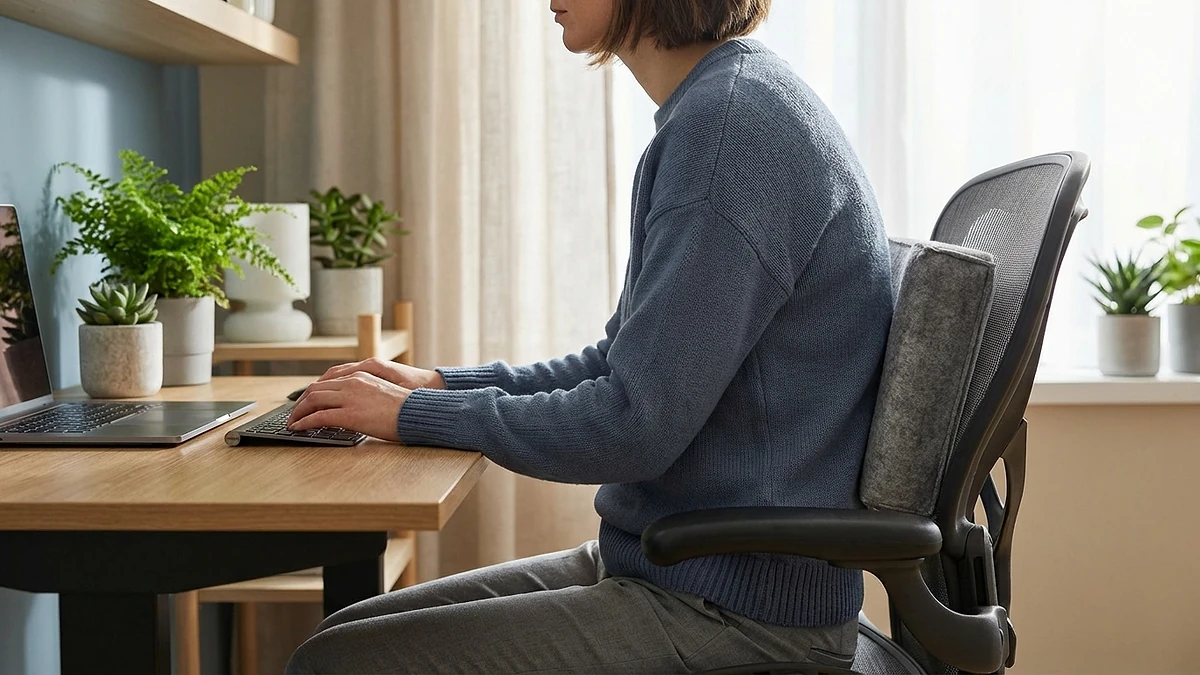
On posture, the established ergonomics baseline is the opposite of what a backrest-free ball offers. Cornell University's ergonomics work and the broader CCOHS overview of working in a sitting position both describe a supported, adjustable neutral seated position, with the lower back held in its natural curve, feet flat, and the screen near eye height, as the sensible target for desk work. A ball gives you no lumbar support and no way to adjust anything, which makes holding that neutral position harder, not easier, as you tire. Rather than attributing a precise figure we do not have, the honest direction of the evidence is clear: the ball does not deliver the posture or core benefits people hope for.
The downsides of working on a ball
Where the benefits are thin, the drawbacks are concrete and easy to predict. A ball is missing most of what a working seat needs, and over a full day that absence is felt.
- No back support. There is no backrest, so nothing holds the natural curve of your lower spine. You are relying on muscles that fatigue, and as they tire you tend to slump, which is the opposite of the promised posture benefit.
- No arm support. There are no armrests, so your shoulders and neck carry the weight of your arms all day, a common source of tension and tech-neck-style strain.
- No adjustability. A ball is one fixed height and one fixed firmness. You cannot tune seat height, tilt, lumbar depth or armrests to your body and desk, which is the whole point of an ergonomic chair.
- Fatigue, not fitness. Constant micro-balancing is tiring over hours. What is marketed as a workout often just leaves you more fatigued and more likely to slump by the afternoon.
- Stability and safety. A ball can roll away when you stand, deflate slowly, or slip on hard floors, and it offers no stable base if you lean or reach.
None of this is exotic; it is just the predictable result of removing a backrest, armrests and adjustment from a seat you use for eight hours. The CCOHS sitting overview is clear that prolonged static sitting is itself a strain, and a ball does nothing to ease that. It simply removes the supports that help you cope with it.
When a ball has a small place
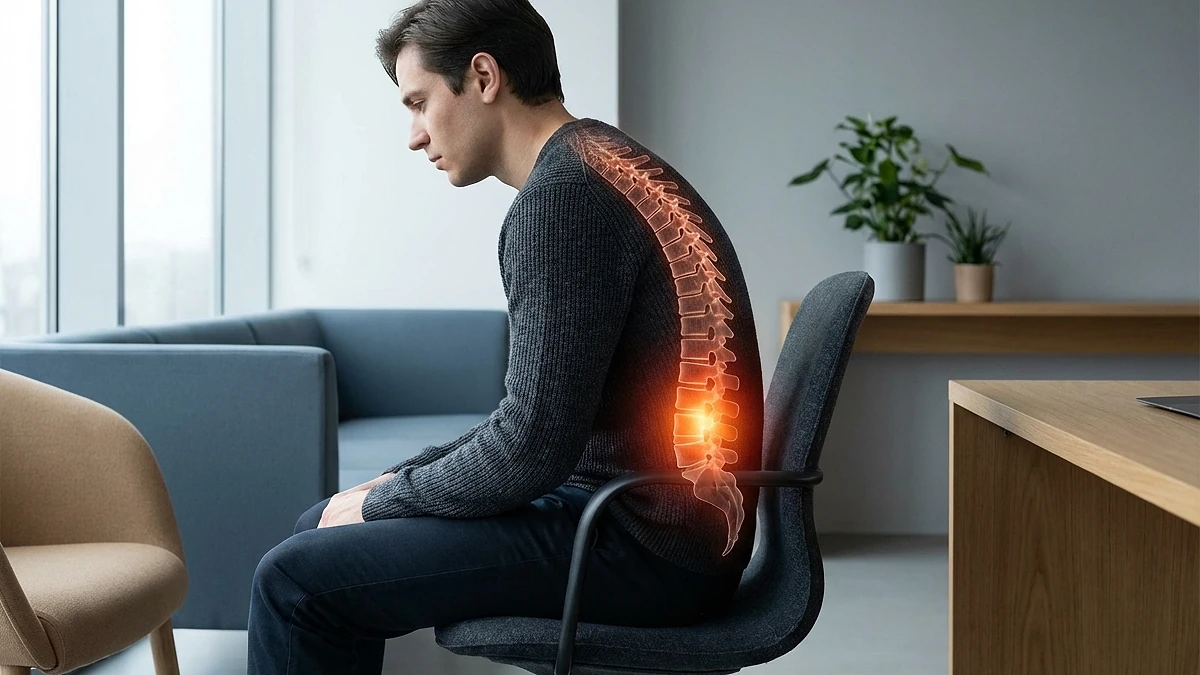
To be fair to the ball, it is not useless; it is just being asked to do the wrong job. As a piece of exercise equipment, or as an occasional short-stint seat, it has a genuine, modest place.
- For actual exercise. A stability ball is a real fitness tool for stretches, core work and physiotherapy drills done deliberately, for short focused sessions, not for eight hours of typing.
- For short stints, as variety. Swapping onto a ball for twenty or thirty minutes to break up a long sit can add a position change, and changing posture often is genuinely good. The benefit there is the change, not the ball itself.
- As one option among several. If you already alternate between sitting, standing and moving, a ball can be one more way to vary your day, used in short doses rather than as your main chair.
The thread running through all of these is short and deliberate. The ball earns its keep as a tool you use on purpose for a while, not as the seat you default to for a working day. Used that way, in short stints, it can be a small, harmless part of a more active routine.
Why an adjustable chair is the better daily seat
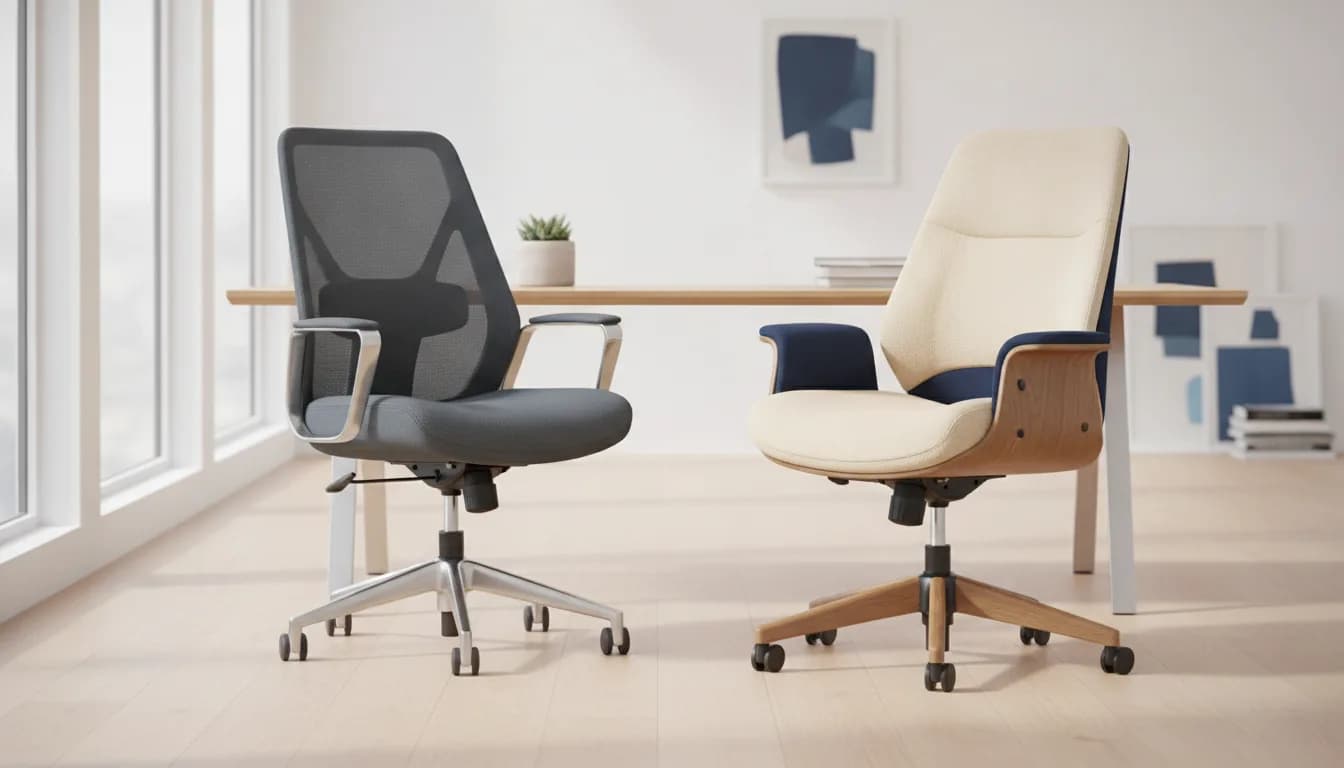
For the eight hours you actually work, a good adjustable ergonomic chair wins, and the reasons are the same ones the ball lacks. It supports you in the neutral position the ergonomics research points to, and it lets you adjust and move within that support rather than fighting to hold a posture against gravity.
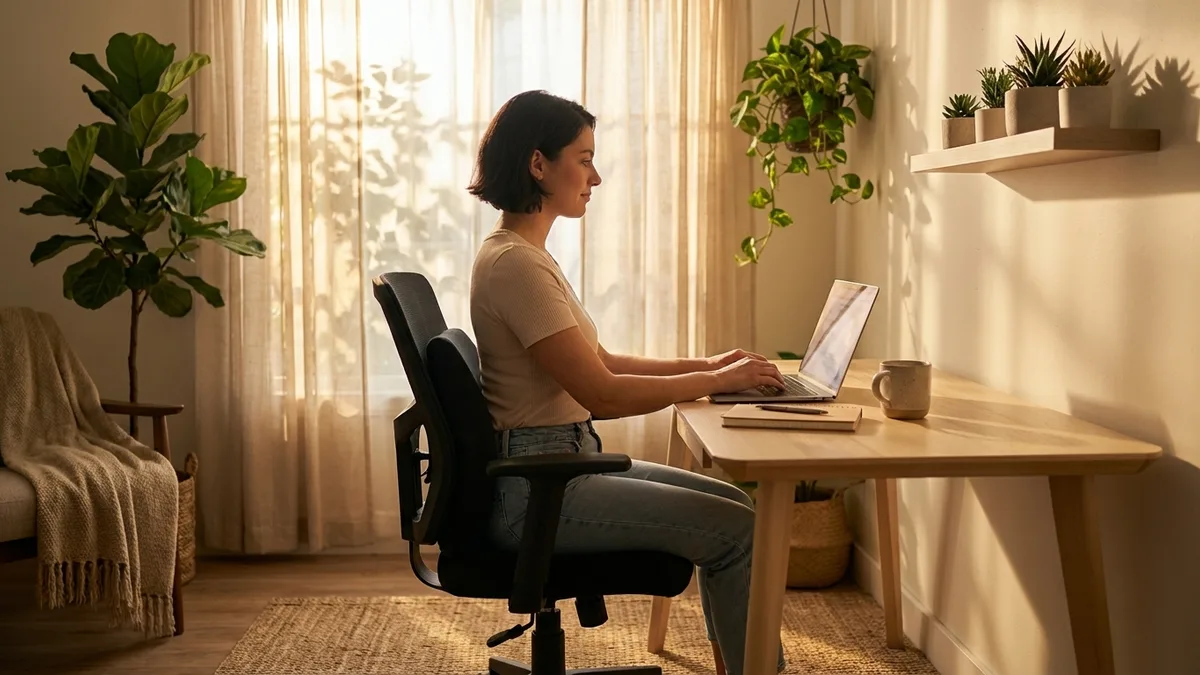
A proper chair gives you lumbar support that holds your lower back's natural curve, a seat height you can set so your feet are flat and your knees sit near a right angle, armrests that take the load off your shoulders, and a recline that lets you shift position through the day. That last point matters more than people expect: the OSHA and Cornell guidance treats movement and adjustment as central, and a chair that reclines and adjusts encourages exactly the position changes a static ball cannot. None of this builds muscle, and it is not supposed to; building strength is what your deliberate activity outside the chair is for, in line with the CDC guidance.
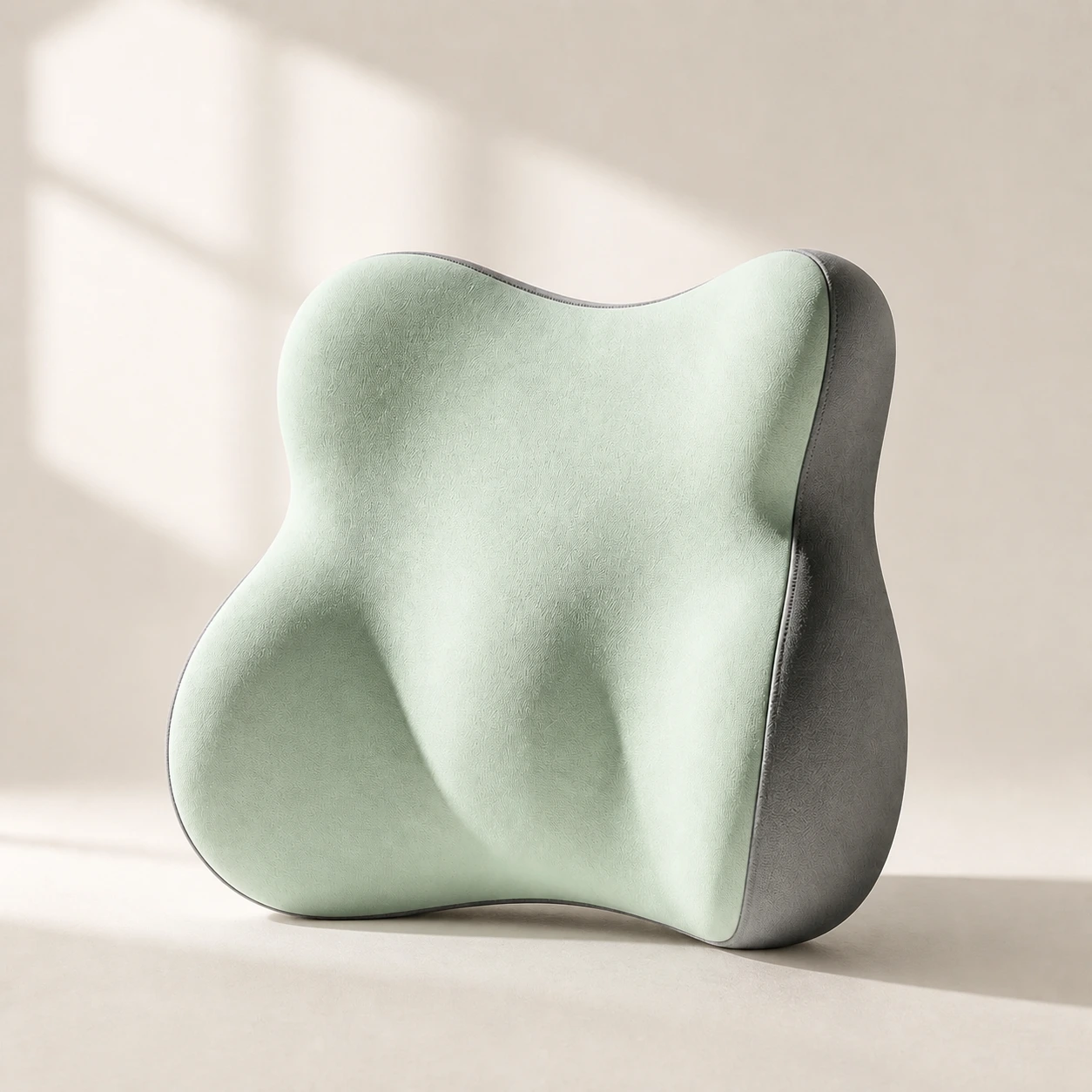 Product mentioned in this guideLumaWing Lumbar Cushion39 × 34 × 14 cm lumbar cushion available in four colours with a slow-rebound memory-foam core, fixed central ridge, recessed side channels, and broad outer…Free US shipping on every order60-Day Home Trial · we pay return shippingSee current price
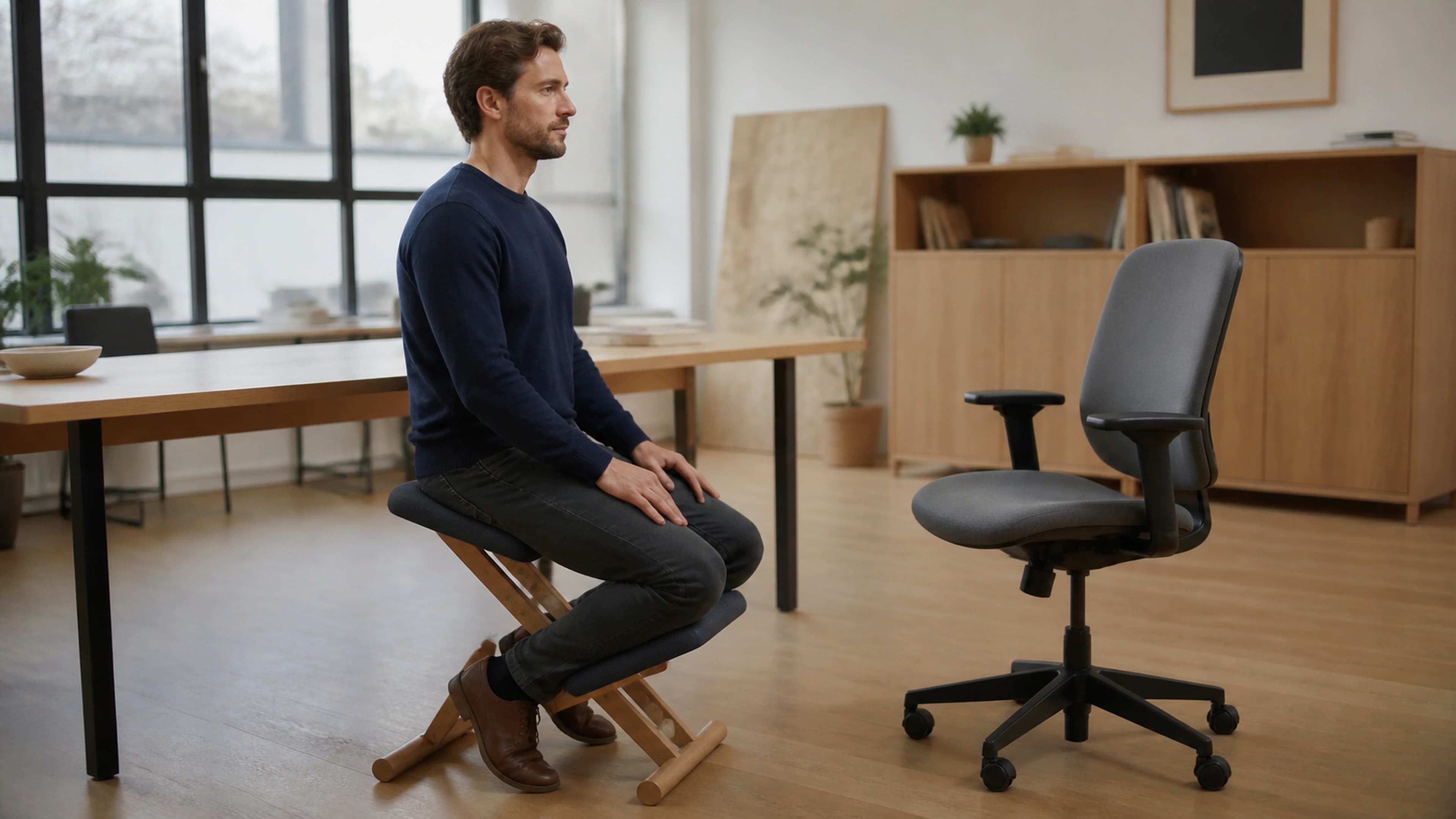
If your current chair is close but the lower back is the weak point, you do not necessarily need a new chair at all. A simple lumbar support pillow on a decent chair can fix the one thing the ball most conspicuously lacks, for far less money. We would rather you spend on the thing that actually solves your problem. If you do want to compare full chairs properly, our kneeling chair versus office chair guide covers another popular alternative-seat idea with the same honest lens.
Our chair, honestly
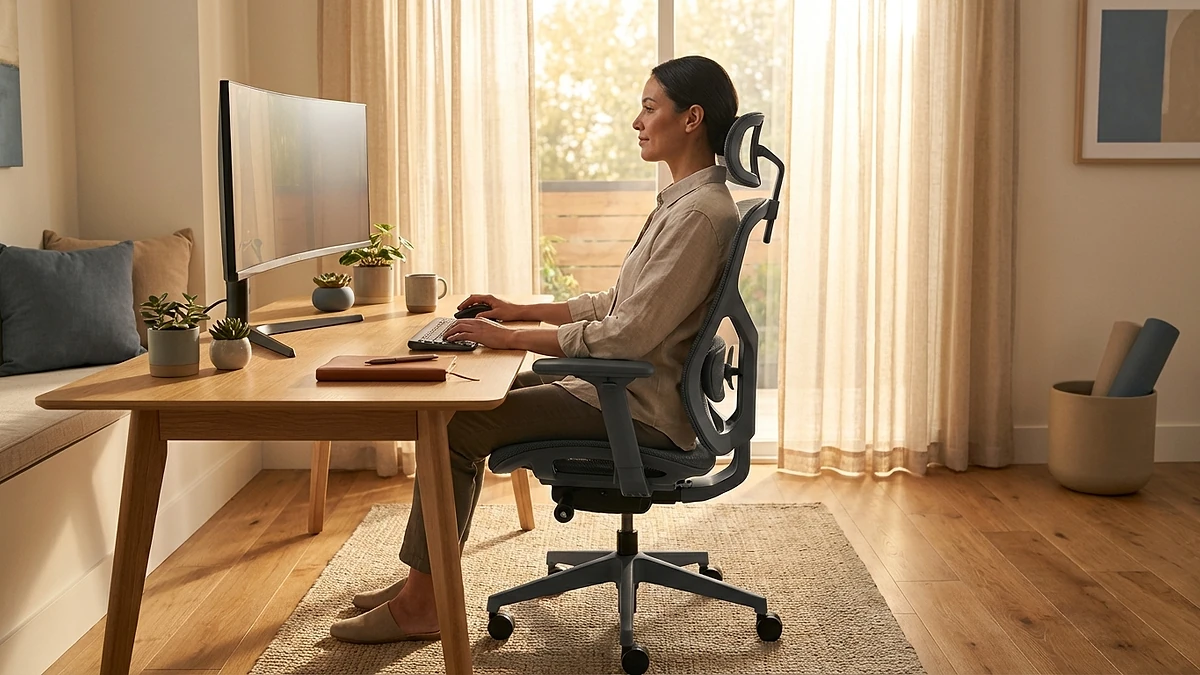
If you decide a supportive daily chair is the right answer, our LumaSpine Pro ergonomic office chair is the option we would put forward. It is built around the things this comparison has shown the ball lacks: adjustable lumbar support to hold your lower back's curve, an adjustable seat and armrests so you can set it to your body and desk, and a recline that encourages you to change position through the day rather than freezing in one. It is designed to help you hold the neutral posture the ergonomics guidance describes, and to move within it.
We will be just as plain about who it is not for. If your goal is genuinely more exercise, a chair is the wrong purchase entirely; you want activity, not furniture, and a ball used for deliberate workouts is a cheaper, better fit for that. If your current chair already adjusts and supports you well, and only the lower back lets you down, the LumaSpine Pro is more than you need, and a lumbar pillow is the smarter spend. And if money is tight, a sound second-hand adjustable chair plus a lumbar add-on can get you most of the way there. We would rather you buy the right thing once than buy our chair because we sell it. If you want to weigh several supportive chairs side by side first, browse the office chairs collection and choose for how you actually work.
When to see a professional
A chair, like a ball, is a comfort and posture aid, not a medical device, and choosing a seat is not a substitute for medical advice. Most desk-related aches ease with a seat that fits, a corrected setup and regular movement away from the desk. Some symptoms need a clinician, not new equipment. See a doctor or physiotherapist if your back or neck pain follows a fall or other trauma, if you have progressive weakness or numbness or tingling spreading down a leg or arm, if you lose feeling in the saddle area between your legs, if you lose control of your bladder or bowels, or if pain comes with unexplained weight loss, fever or feeling generally unwell. The NHS back-pain guidance is clear that these warrant prompt assessment, because they can signal something no seat will fix.
The bottom line
The ball-versus-chair question has a clear honest answer for daily work: the exercise ball does not deliver the core or posture benefits people expect, and it removes the back support, arm support and adjustability you need over a full day. Keep the ball for what it is genuinely good at, deliberate exercise and the odd short stint of variety, and give the eight-hour desk seat to something that supports and adjusts. If you want that seat, our LumaSpine Pro ergonomic office chair is the option we would recommend, judged against the same criteria as everything else, and we have told you plainly when a lumbar pillow or simply more exercise is the better call instead. If you would rather compare supportive chairs first, start with the office chairs collection and choose once, for how you really work.