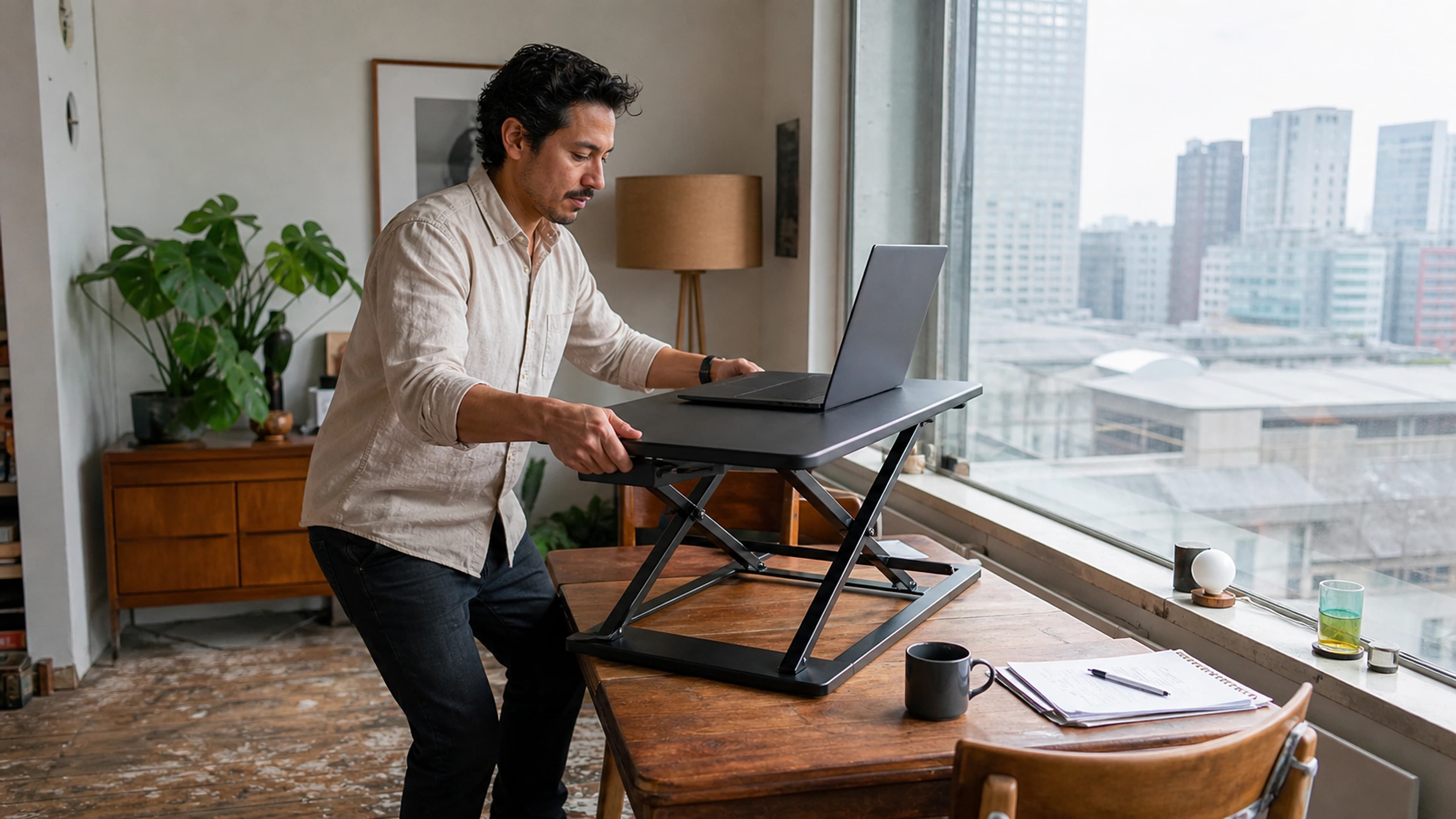

Neck and shoulder pain from long hours at a desk is one of the most common complaints among people who work at a computer. A well-designed neck support pillow can help your head and cervical spine stay in a more neutral position, reducing the strain that builds up over a workday.
Neck pain is genuinely widespread. The World Health Organization notes that neck pain is among the leading causes of disability worldwide, and it is especially common in jobs that involve sustained sitting and computer work. The reassuring part is that for most desk workers the problem is mechanical rather than serious, and small changes to how your head is supported can make a real difference.
This guide explains why desk work strains the neck and shoulders, what a neck support pillow actually does, the features that separate a useful pillow from a gimmick, and how to set one up so it earns its place behind your chair.
Why desk work strains your neck and shoulders
Your head is heavy. It weighs roughly 4.5 to 5 kilograms (about 10 to 12 pounds), and your neck muscles are built to balance that weight when your ears sit over your shoulders. The trouble starts when your head drifts forward toward a screen. Every centimetre your head moves forward dramatically increases the leverage your neck and upper-back muscles have to fight against, so they end up working harder just to hold your head up.
Hold that forward-leaning posture for six, eight, or ten hours a day and the small muscles around the base of your skull and across the top of your shoulders stay switched on for far longer than they were designed to. That is the dull ache, the tightness between the shoulder blades, and the tension headaches many desk workers recognise by mid-afternoon. A systematic review of forward head posture found it is consistently associated with neck pain, which is exactly the posture an unsupported office chair tends to encourage.
The fix is not to sit rigidly upright by willpower alone. It is to change the setup so a neutral head position is the easy, default option. That is where a neck support pillow comes in.
Bed-sleep pillows, not chair supports
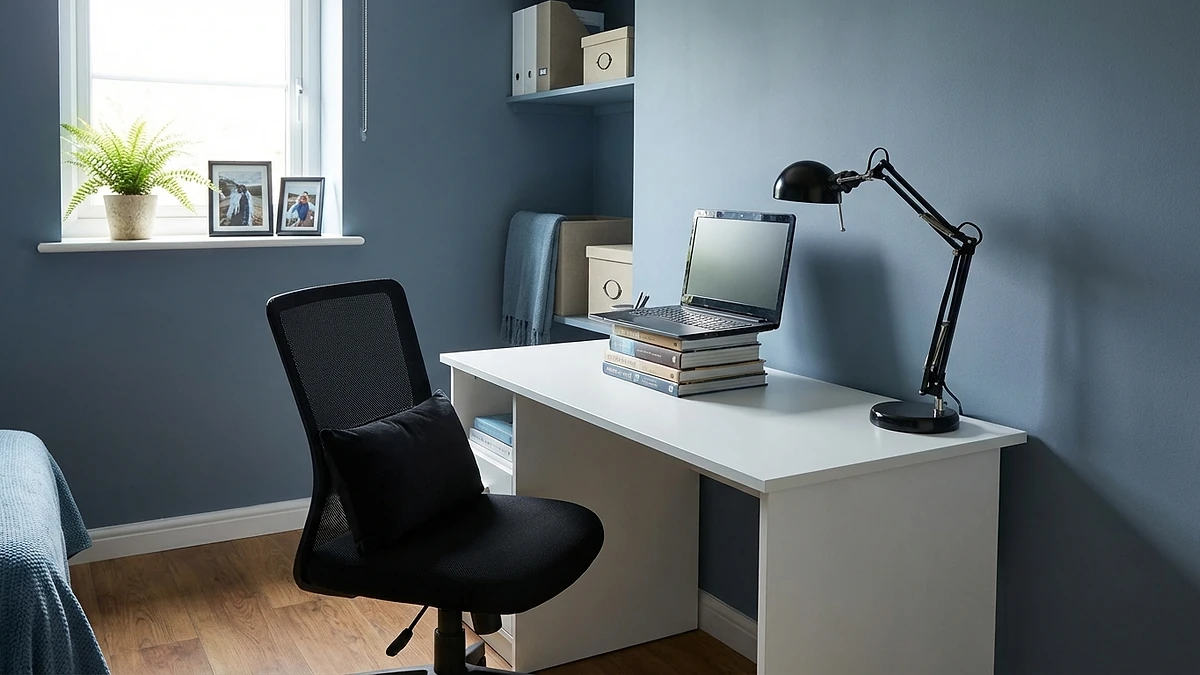
CloudArc and WaveRest are fixed-profile pillows for lying down in bed. Neither is designed to attach to an office chair, hold the head upright in a vehicle, or replace a travel pillow.
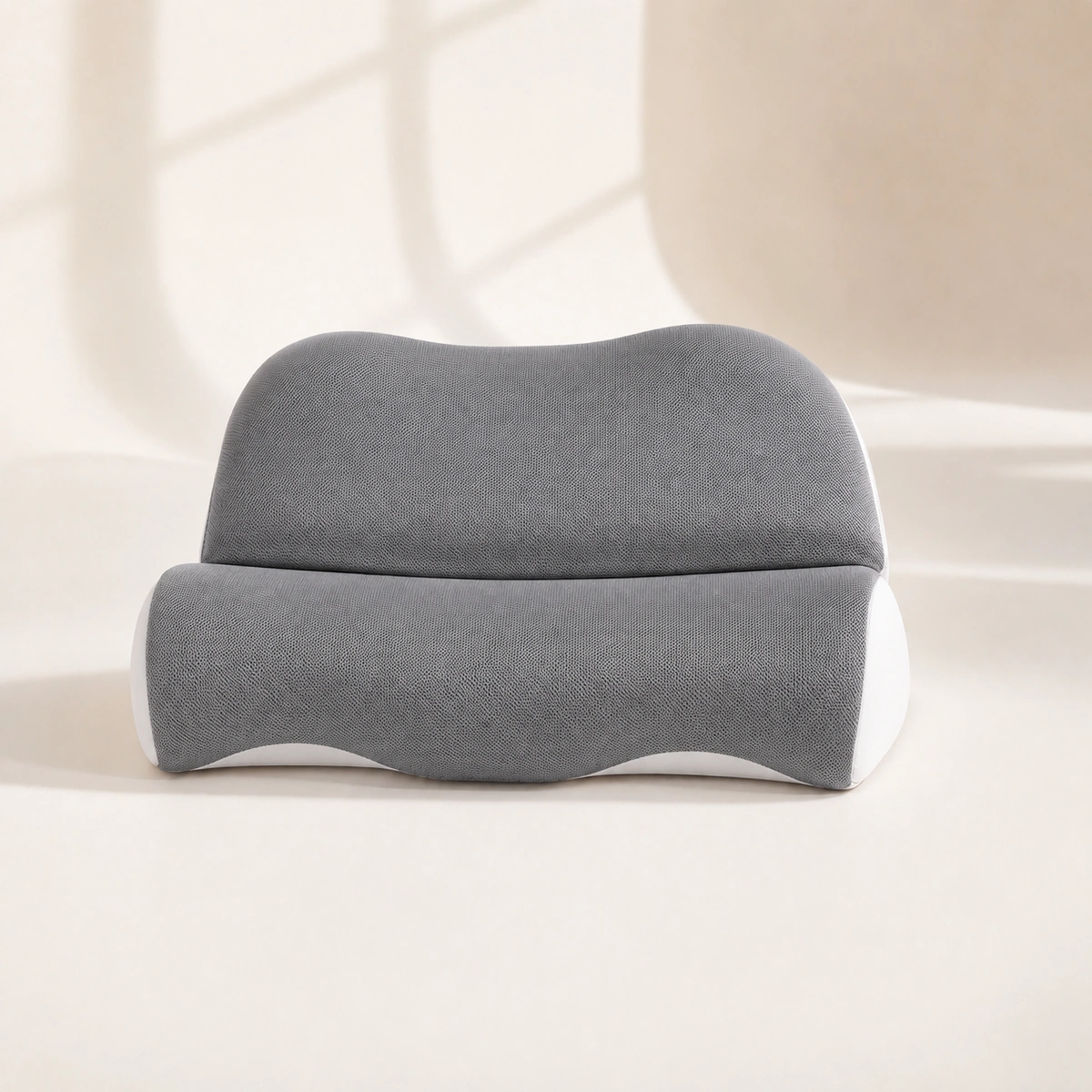 Product mentioned in this guideCloudArc Neck PillowTwo-component 52 × 35 cm neck-pillow system with separate head-cradle and cervical-bolster pieces, fixed 6/10 cm zones, slow-rebound polyurethane foam,…Free US shipping on every order60-Day Home Trial · we pay return shippingSee current price
CloudArc Neck Pillow is a 52 × 35 cm two-component bed system. Its separate 6 cm rear head cradle and 10 cm front cervical bolster are arranged from headboard to shoulders for back or side sleeping.
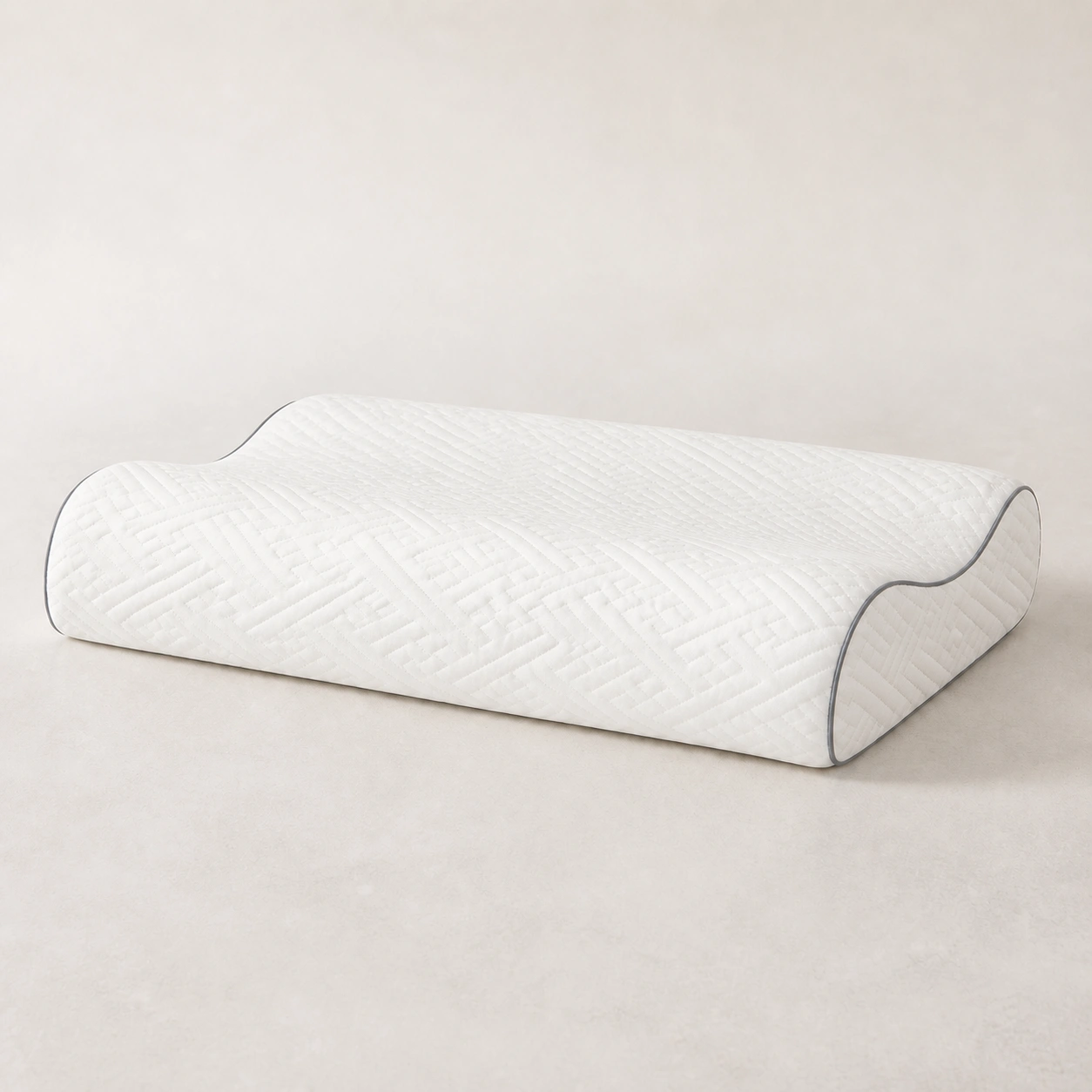 Product mentioned in this guideWaveRest Memory Pillow60 × 35 cm wave pillow with a choice of fixed low 7/9 cm or high 9/11 cm edges, polyurethane memory foam, a lyocell-fiber exterior, and removable zip…Free US shipping on every order60-Day Home Trial · we pay return shippingSee current price
WaveRest Memory Pillow is a 60 × 35 cm low-profile bed pillow with fixed 9 cm and 7 cm full-width edge rolls around a broad shallow trough. Rotate the whole pillow to try either edge; the heights are not adjustable.
The features that actually matter
Neck pillows range from thoughtfully engineered supports to novelty cushions. These are the features worth paying attention to.
Contoured shape
The single most important feature is a shape that matches the natural curve of your neck. A flat rectangular cushion just pads the backrest; a contoured pillow has a raised section that fills the hollow behind your neck and a recess that cradles the base of your skull. That contour is what guides your head back toward neutral instead of simply softening the surface behind it.
Firmness and foam density

Too soft and the pillow compresses flat within an hour and stops supporting anything. Too hard and it becomes uncomfortable and pushes your head forward. The sweet spot is medium-firm, high-density memory foam that yields enough to contour but springs back and holds its shape across a full workday. High-density foam is the difference between a pillow that still supports you at 5 p.m. and one that has gone flat by lunchtime.
Secure attachment
A pillow that slides down behind your back every twenty minutes is a pillow you will stop using. Look for an adjustable strap system that anchors the pillow to the chair backrest and lets you set the height precisely, so it stays put through normal movement.
Breathable, removable cover
Your neck is in contact with the pillow for hours, so heat matters. A breathable mesh or knit cover keeps the contact area cooler, and a removable, washable cover keeps it hygienic over months of daily use.
How to set it up correctly
A great pillow in the wrong position is worse than no pillow at all, because it can actually push your head forward. Spend two minutes getting the placement right.
- Set your chair and screen first. Sit back fully, support your lower back, and raise your monitor so the top of the screen is roughly at eye level. The pillow supports the head you have positioned well; it cannot rescue a screen that is too low.
- Place the pillow at neck height, not shoulder height. The contour should meet the curve of your neck and the base of your skull. If it sits down on your upper back or shoulders, raise it.
- Check your chin. When you settle back, your chin should stay level and your gaze should land naturally on the screen. If the pillow tips your chin down or shoves your head forward, it is too thick or set too high.
- Confirm ears over shoulders. The target posture is ears stacked roughly over your shoulders. Use the pillow as a gentle cue to return to that position whenever you notice yourself drifting forward.
The pillow is one piece of the puzzle
A neck support pillow gives your muscles a place to rest, but the surrounding habits do the rest of the work. Three things multiply its benefit:
- Monitor at eye level. This is the highest-leverage change you can make for neck comfort. A low screen pulls your head down no matter how good your pillow is.
- Lower-back support. Your neck posture follows your spine. If your lower back collapses, your head drifts forward, so a chair or lumbar support that keeps your pelvis upright makes the neck pillow far more effective.
- Regular movement. No position is good for hours on end. A short stand-and-stretch every 30 to 60 minutes resets the muscles around your neck and shoulders and prevents the slow build-up of tension.
When to see a professional
Most desk-related neck and shoulder pain is mechanical and responds well to a better setup and movement. Some signs warrant a clinician rather than a cushion. See a healthcare professional if your neck pain follows an injury, if it radiates down an arm with numbness, tingling, or weakness, if it comes with severe headaches, or if it persists or worsens despite changes to your workstation. A pillow is a comfort and posture aid, not a treatment for those symptoms.
The bottom line
If desk work leaves your neck and shoulders aching by the afternoon, the right neck support pillow is one of the simplest, lowest-cost changes you can make. Choose a contoured, medium-firm pillow with high-density foam and a secure strap, position it to support the curve of your neck and the base of your skull, and pair it with a screen at eye level and regular breaks. Done together, those changes let your muscles do less work all day, which is exactly what an aching neck has been asking for.