Three-part support system
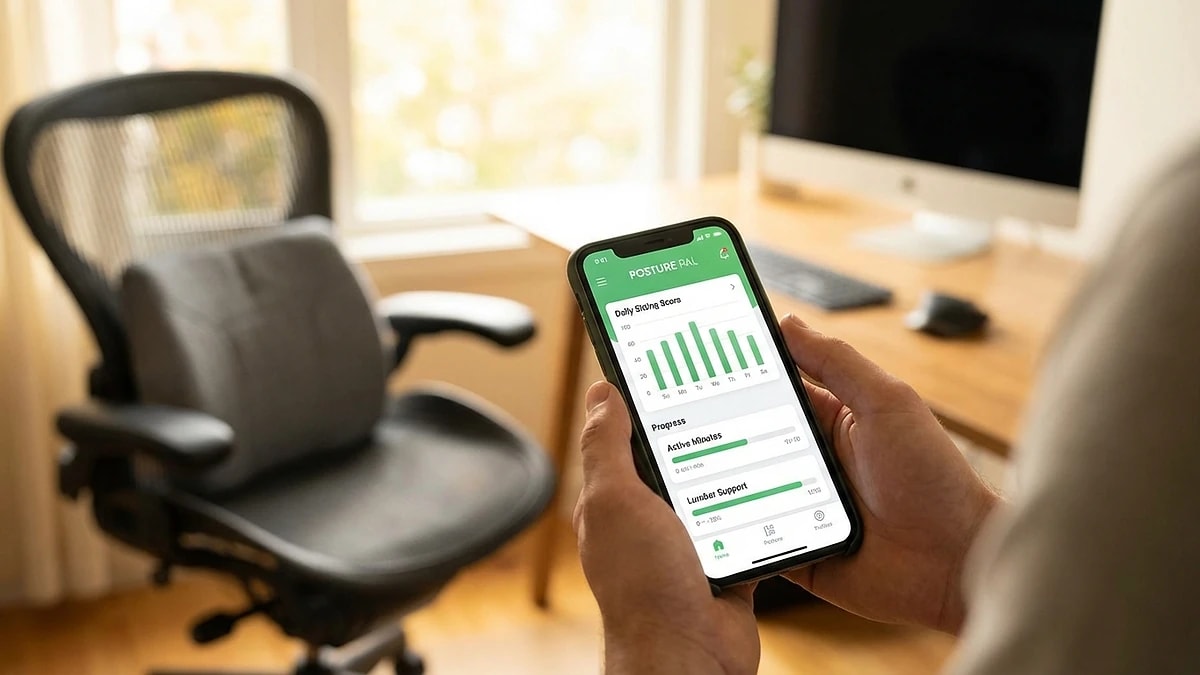
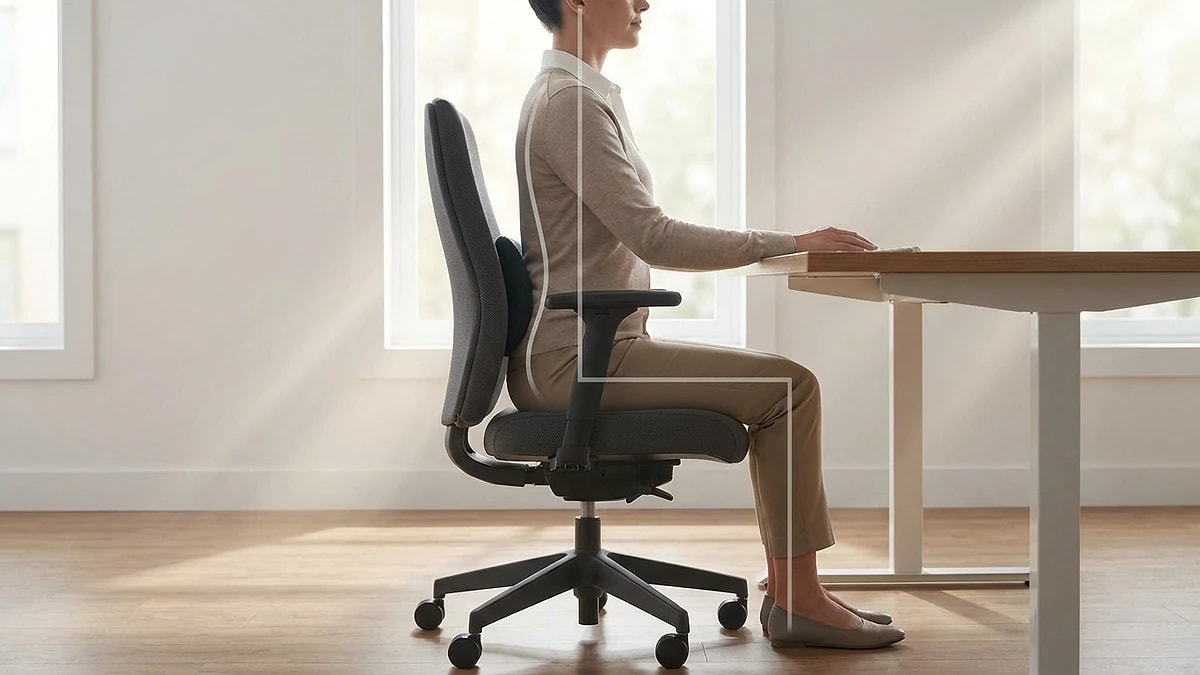
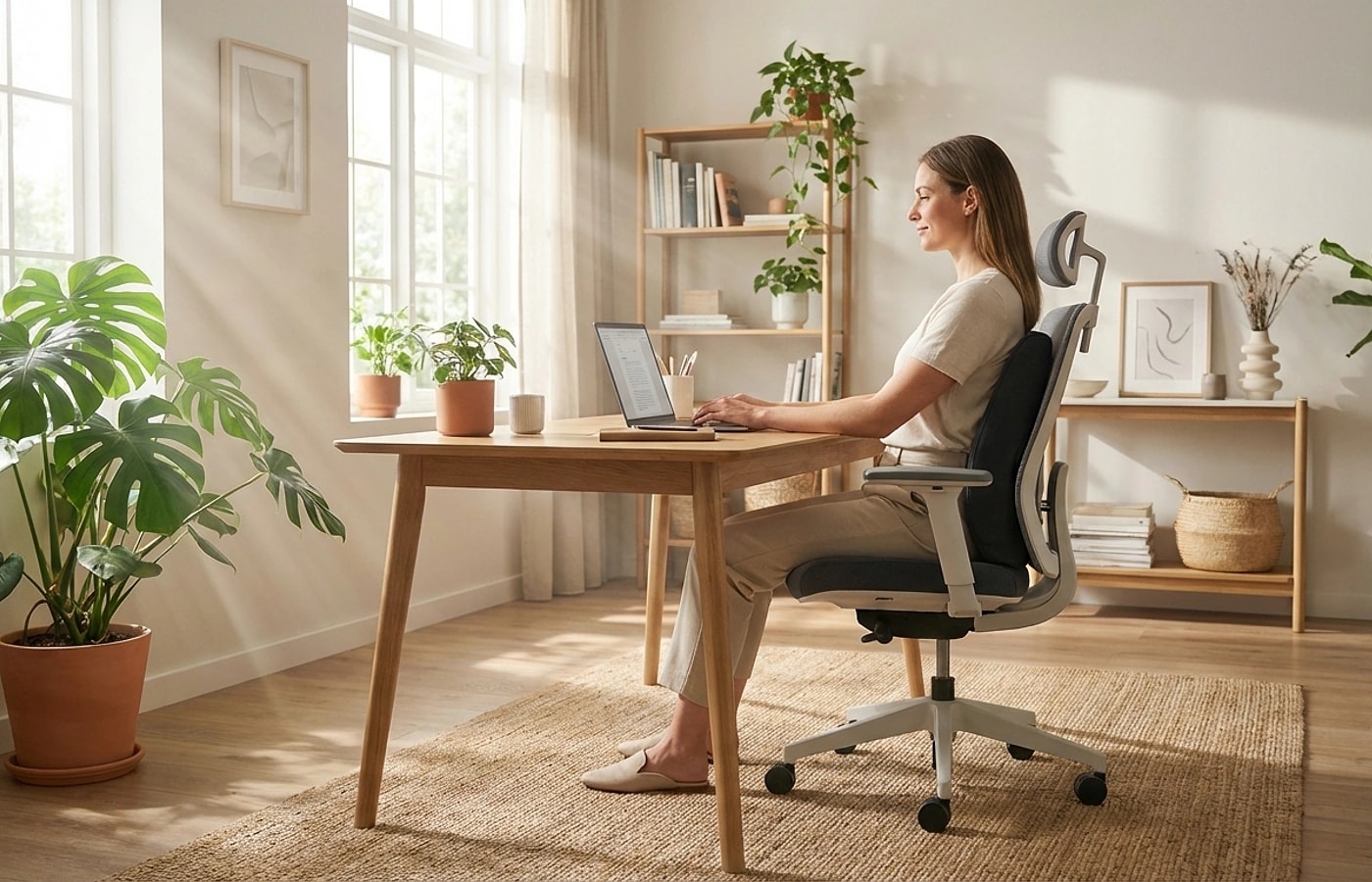
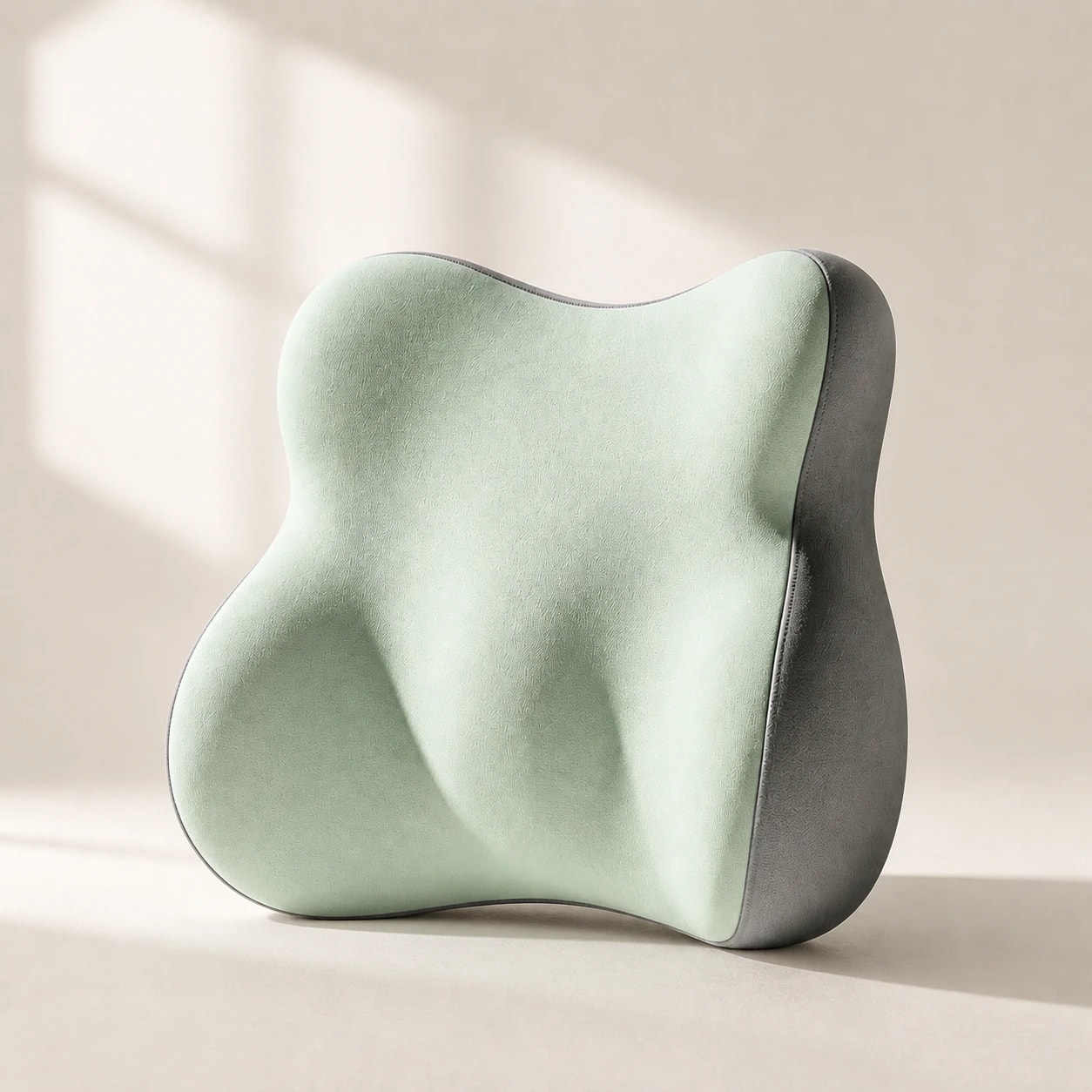
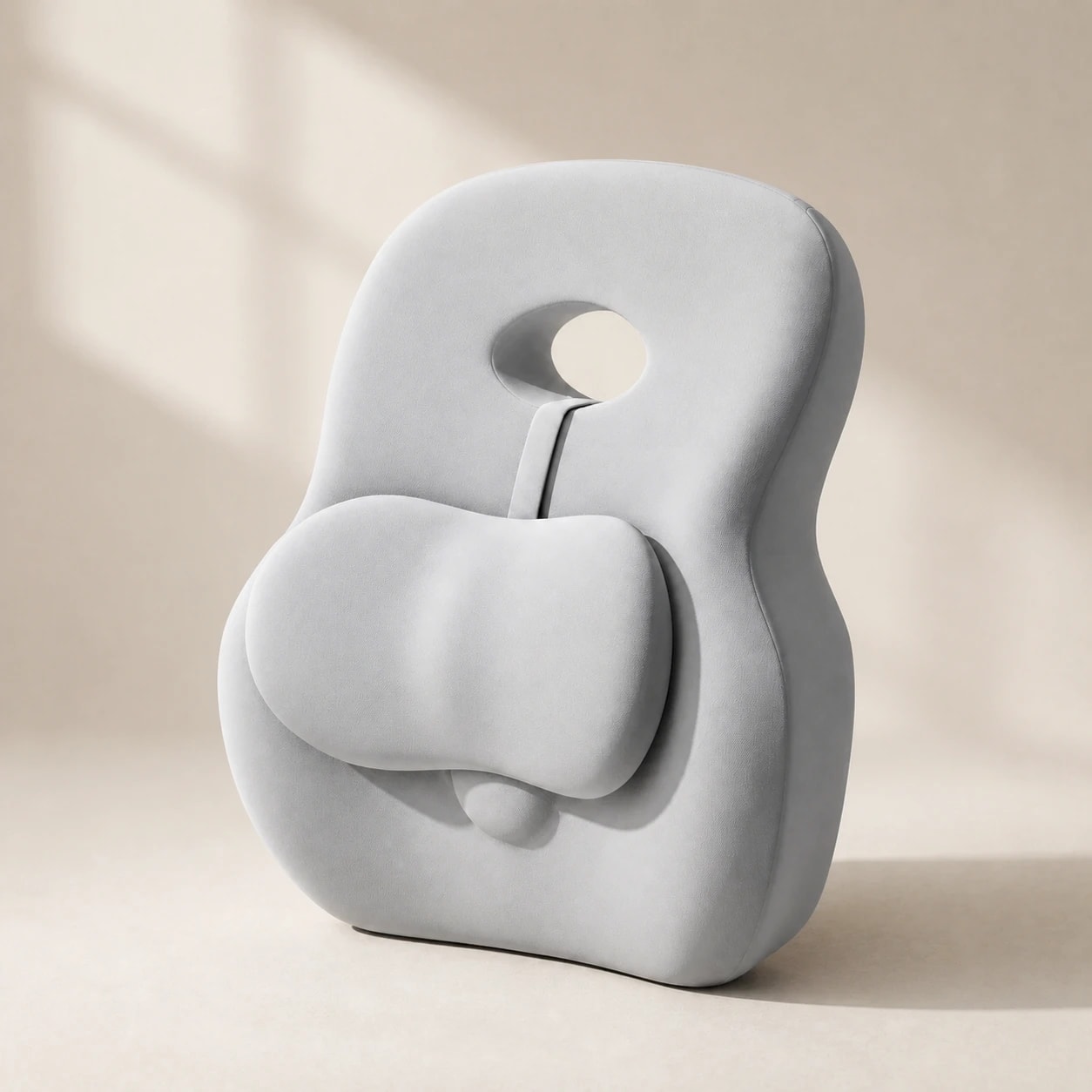
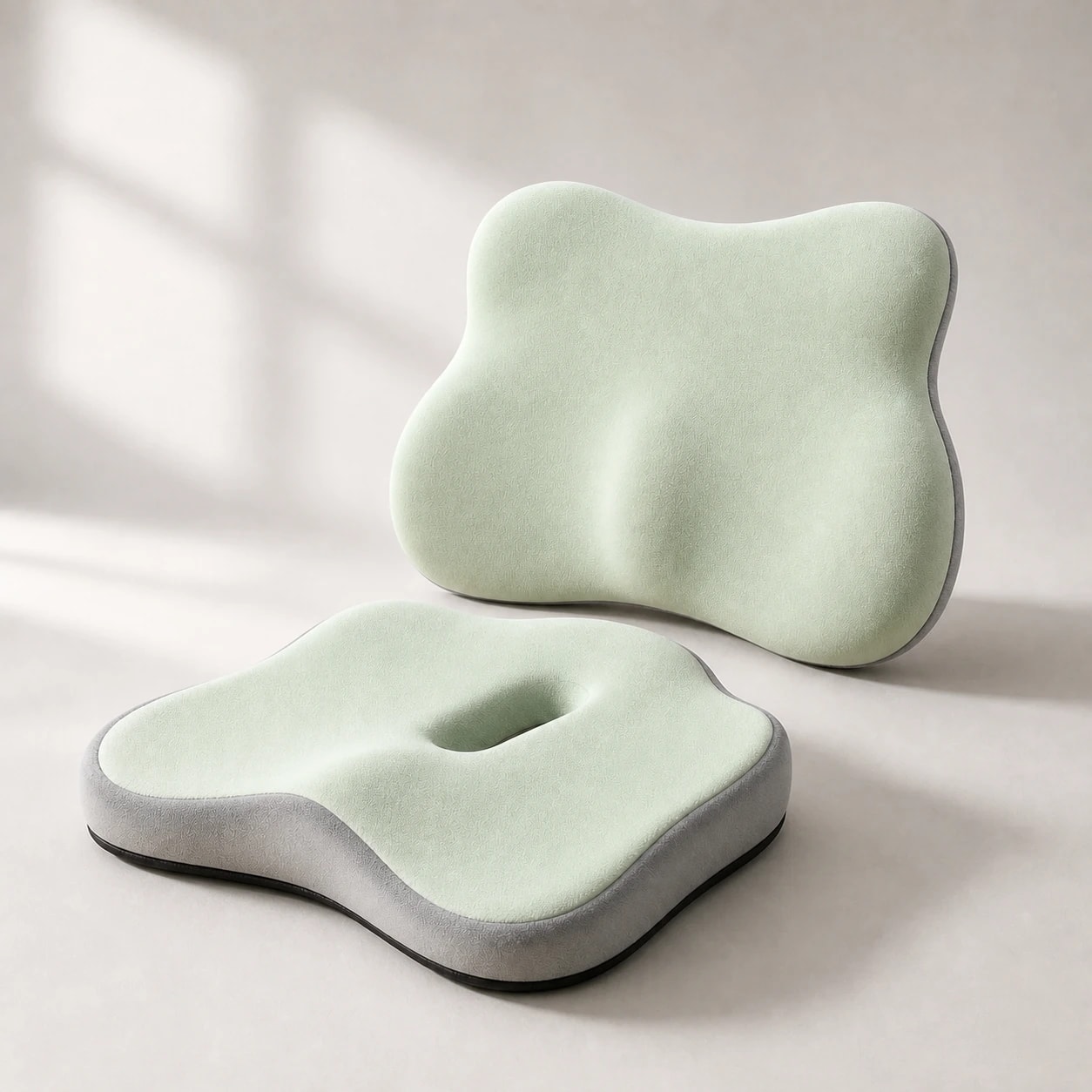
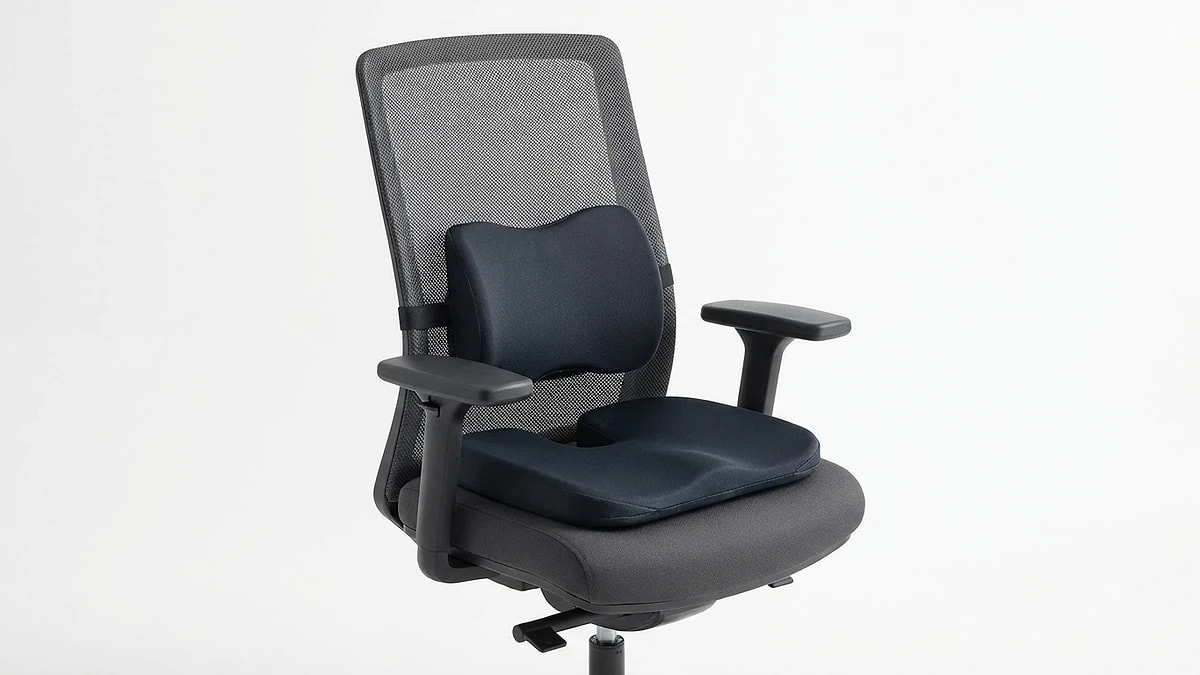
Effective lower-back comfort during prolonged sitting requires three coordinated elements working together: lumbar support to maintain spinal curvature, seat-pressure management to prevent ischial compression, and timed movement breaks to restore circulation and reset postural muscles. Most users who report that lumbar support did not work for them were relying on just one of these elements while ignoring the other two.
The interaction between these elements is synergistic — lumbar support keeps the spine in neutral, which allows the seat cushion to distribute pressure more evenly, which reduces the fidgeting that disrupts lumbar pillow positioning. When all three elements are dialed in, users typically notice that they can sit comfortably for 60 to 90 minutes before needing a movement break, compared to 20 to 30 minutes without the system in place.
- Lumbar support: maintains spinal curvature and reduces muscle fatigue
- Seat pressure management: distributes weight and prevents compression
- Timed movement breaks: restores circulation and resets postural muscles
- All three elements together extend comfortable sitting time by 2-3x