Check office-chair fit before choosing a cushion
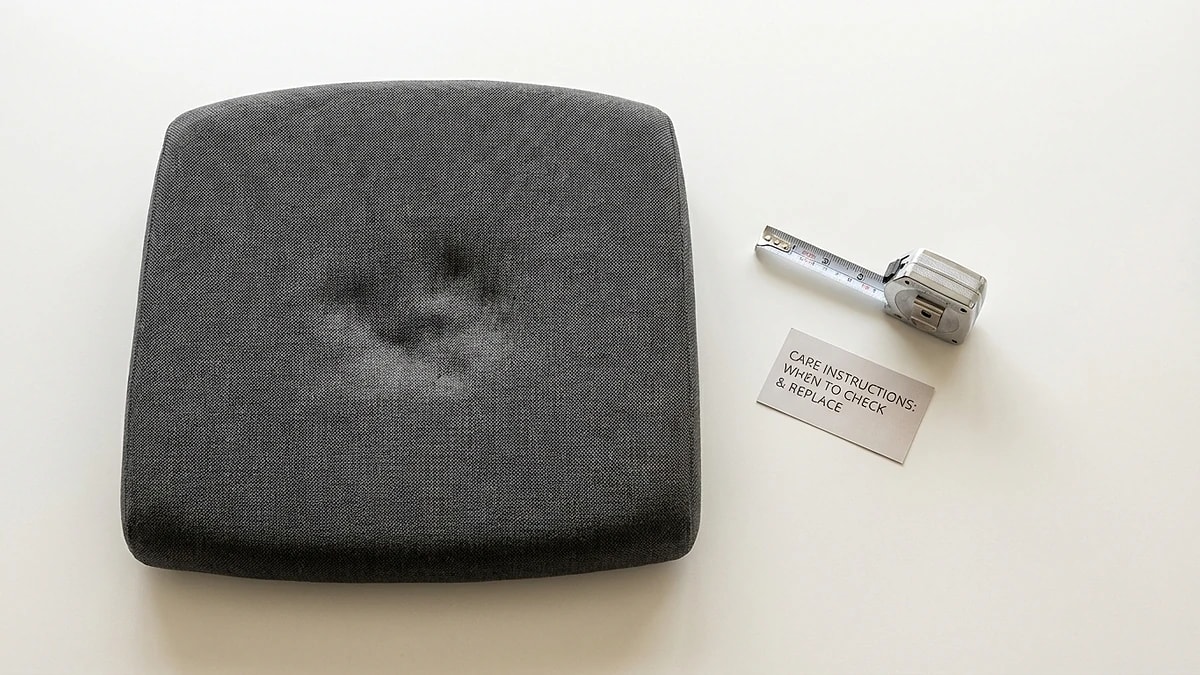
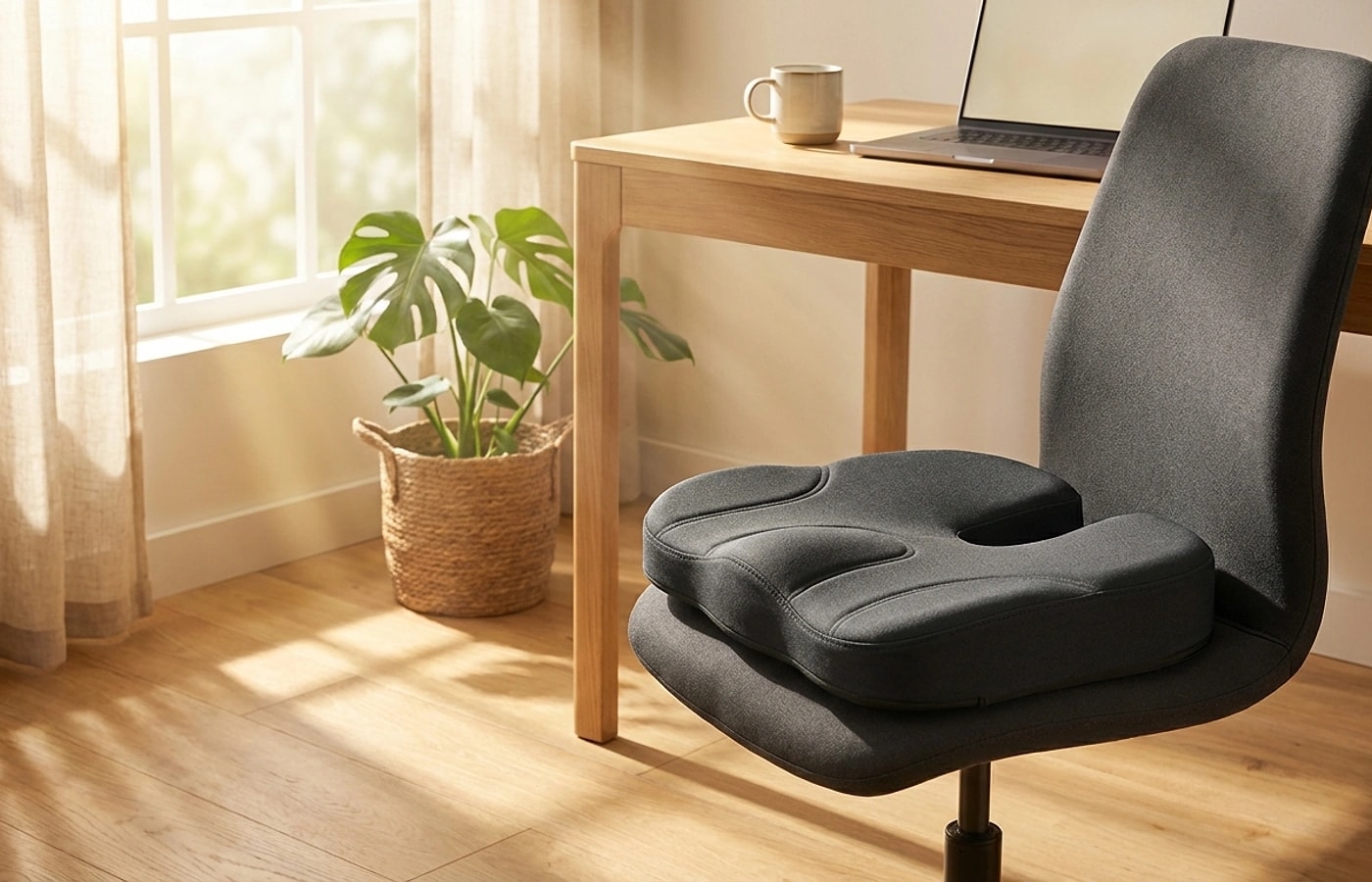
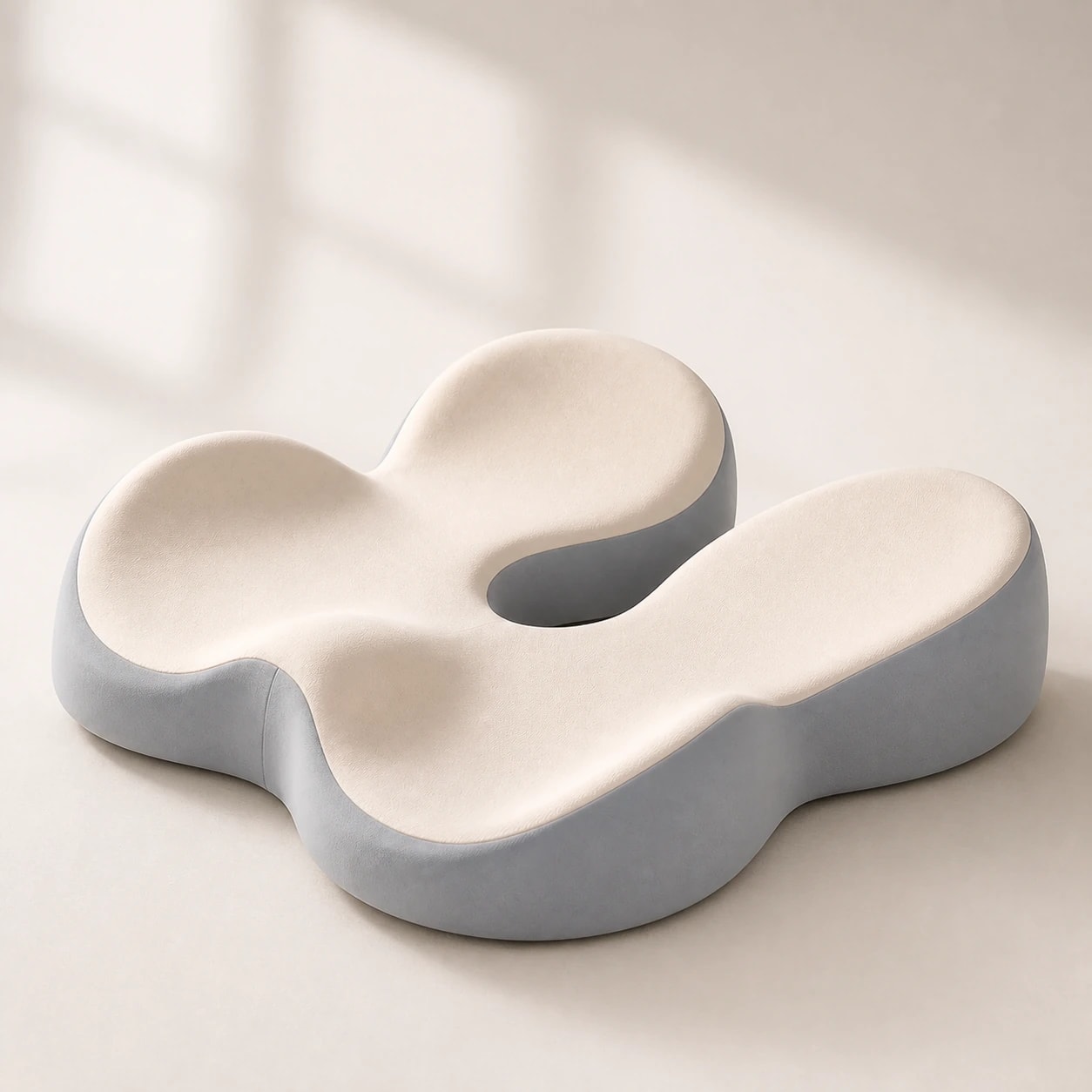
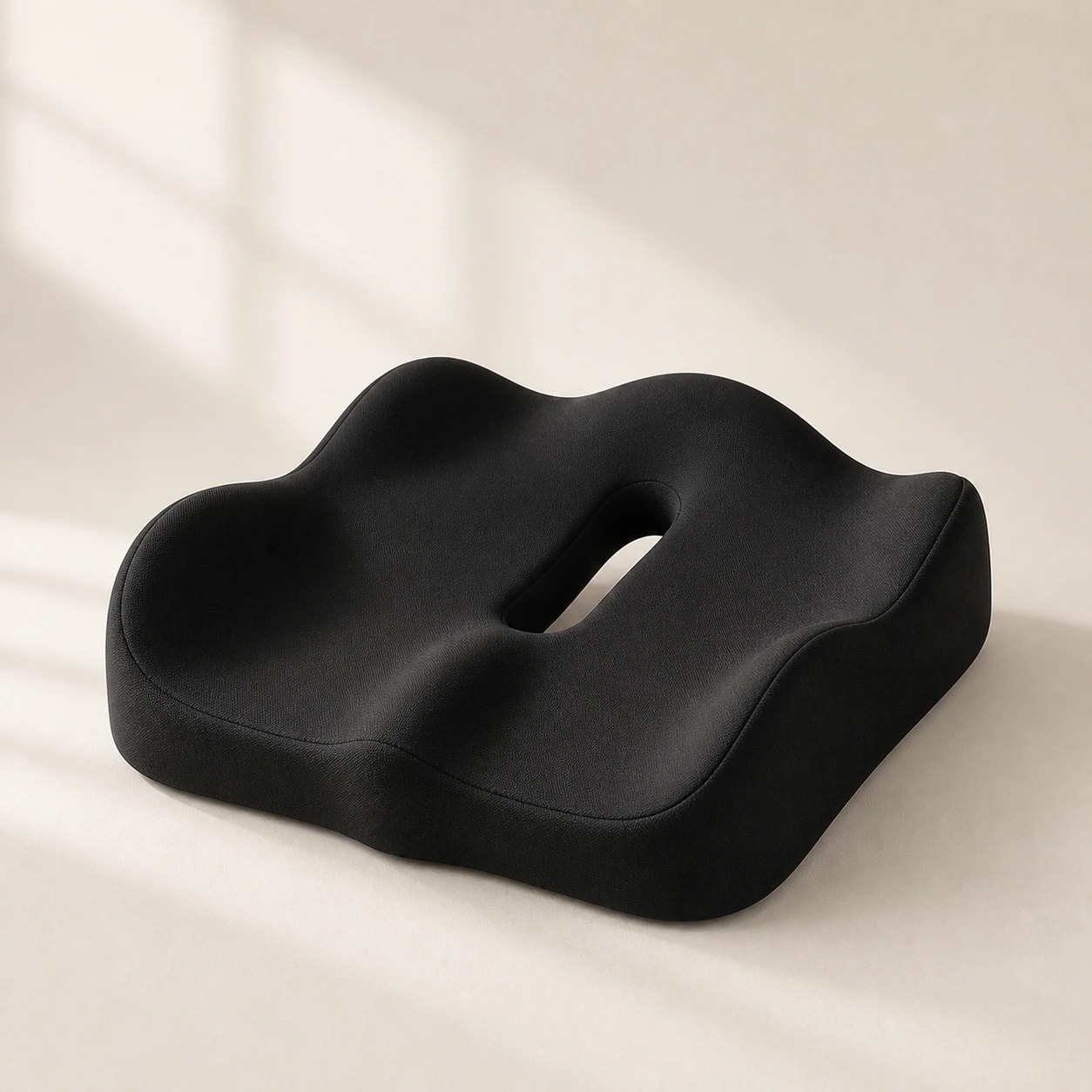
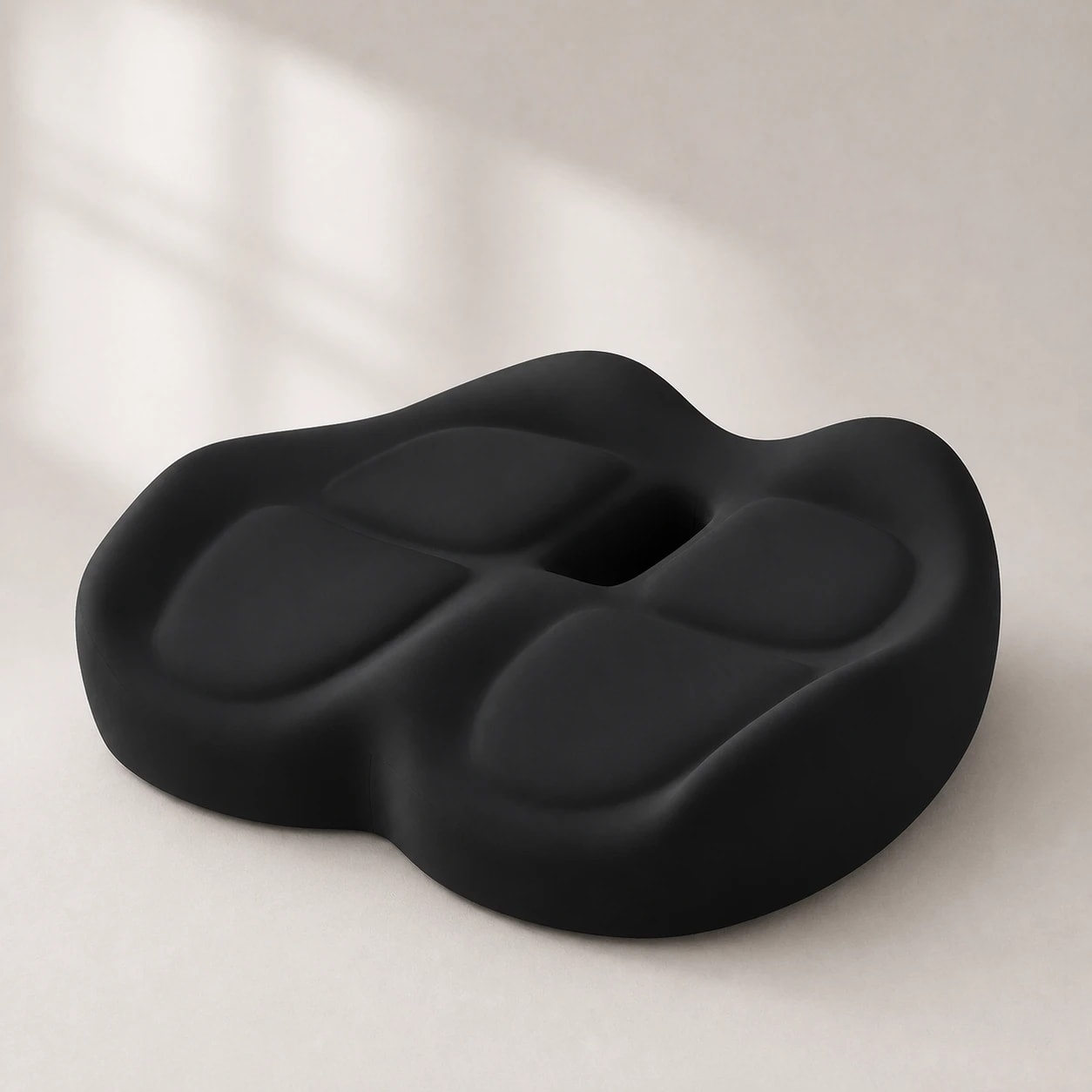
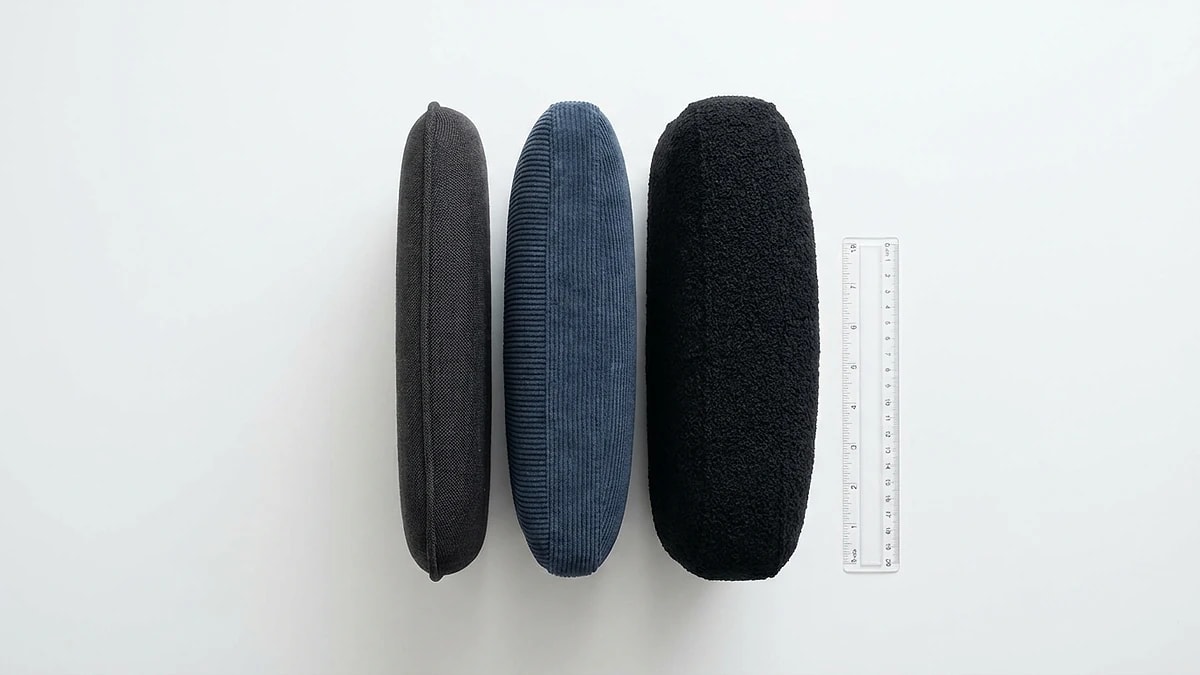
Measure the usable sitting surface between the armrests and from the backrest to the front edge. A seat cushion should rest fully on a stable chair without hanging over the sides, covering controls, or pushing the back of your knees into the seat edge. SeatNest is approximately 40 × 34 × 8 cm, Memory Foam Seat Cushion is 38 × 40 × 8 cm, and ContourX is 44 × 40 × 9 cm. These overall measurements help you compare footprints, but they do not guarantee universal chair fit.
Any added cushion changes sitting height. After placing it, check that your feet remain supported and you can reach the desk with relaxed shoulders. The best fit is the one that works on your actual chair during normal tasks, not a thickness or density claim that is missing from product documentation.
- Measure the usable chair seat, not its outside width.
- Keep the cushion entirely supported and chair controls clear.
- Recheck feet, knees, armrests, and keyboard reach after adding height.