30-day money back guarantee | Spring sale — 40% off + free shipping

Palyginimu gidai

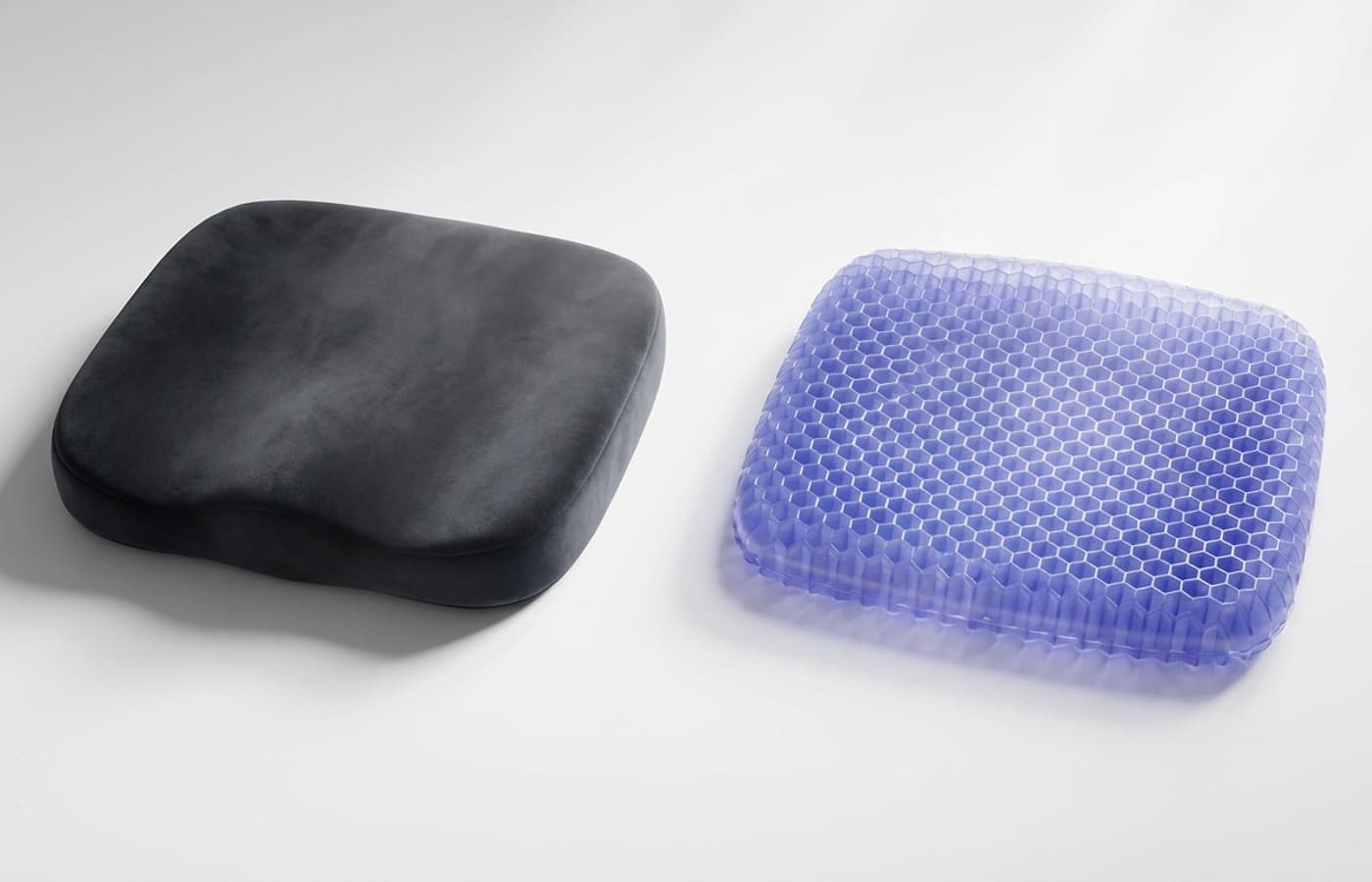
Memory Foam vs Gel Seat Cushion

Compare memory foam and gel seat cushions for office comfort, pressure distribution, and long-session support consistency.

Memory Foam vs Gel Seat Cushion

Pagrindiniai patarimai

Memory foam usually offers stronger contour retention.
Gel can improve cooling perception in warm environments.
Session length should drive the final choice.
Material performance profiles

Material performance profiles

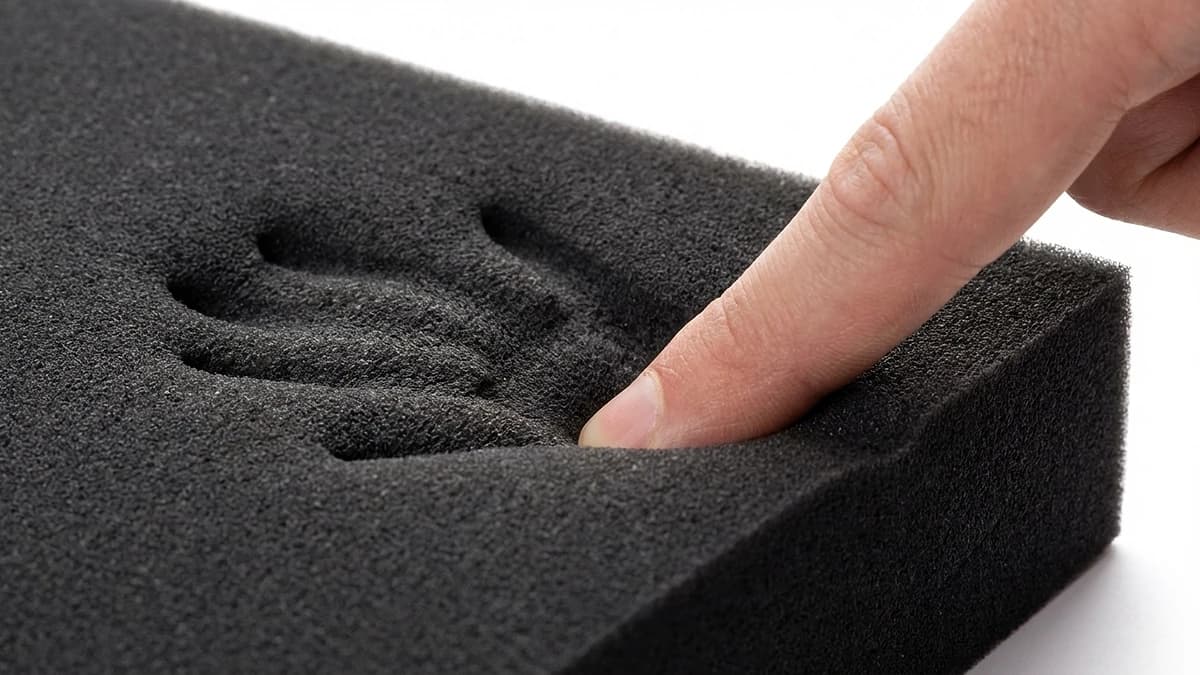
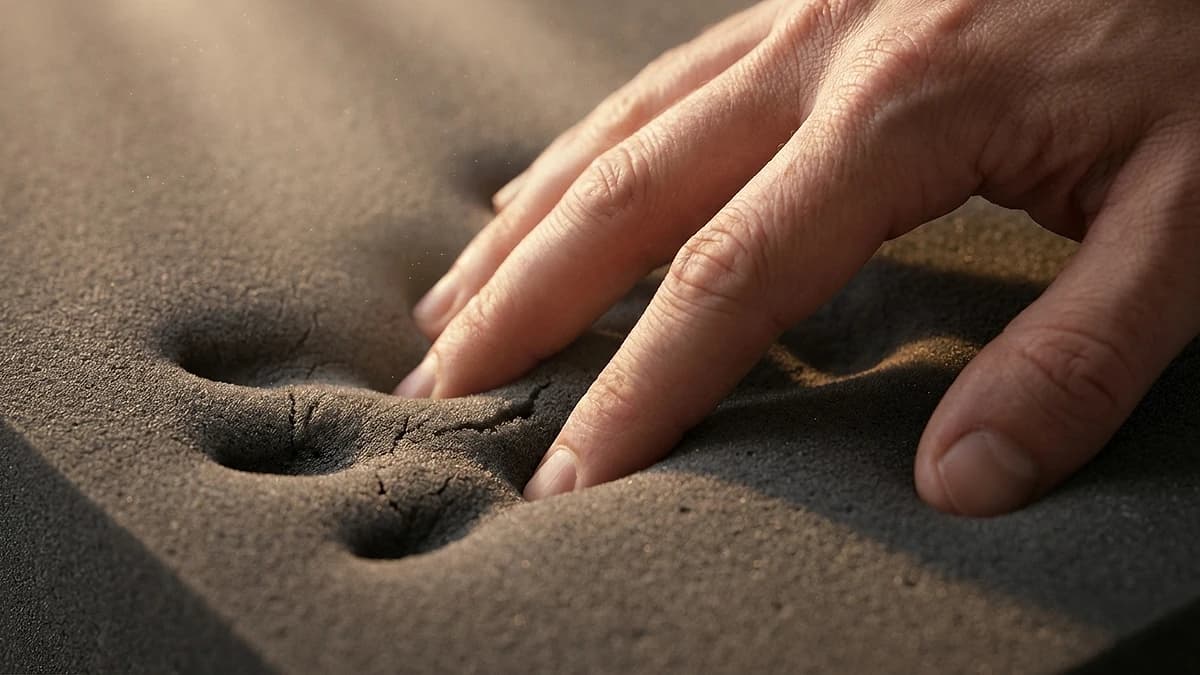
Memory foam responds to body heat and weight, gradually conforming to your shape over the first few minutes of sitting. This creates a custom-molded feel that distributes pressure evenly across your sit bones and thighs.

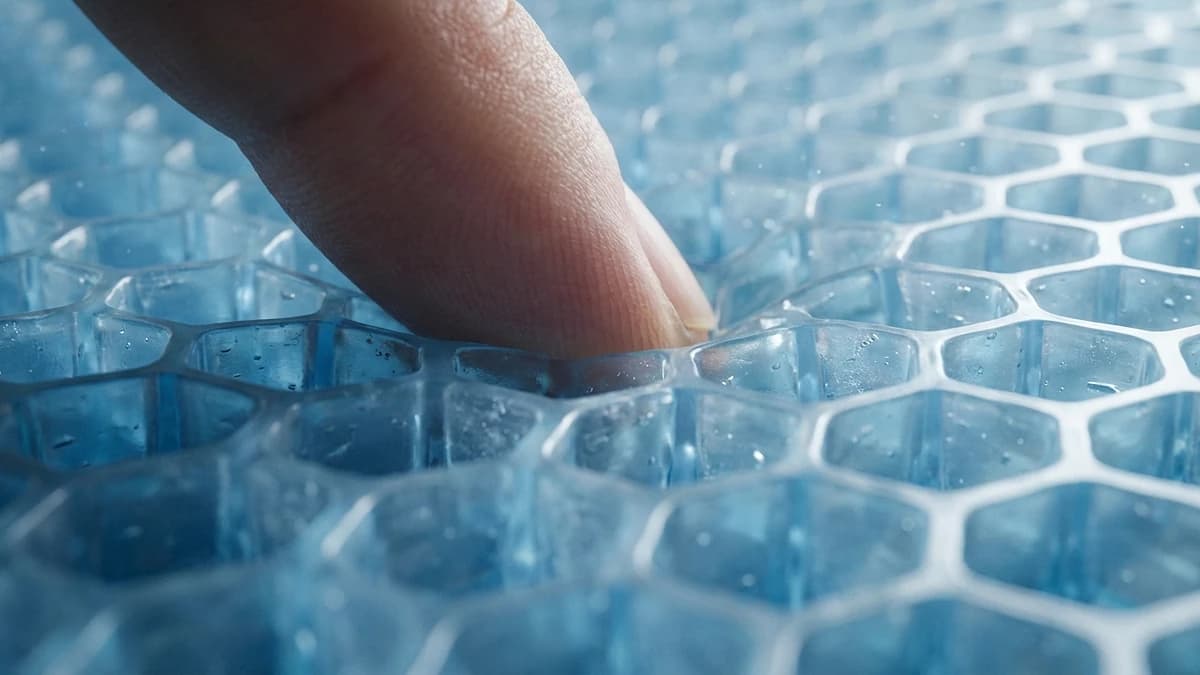
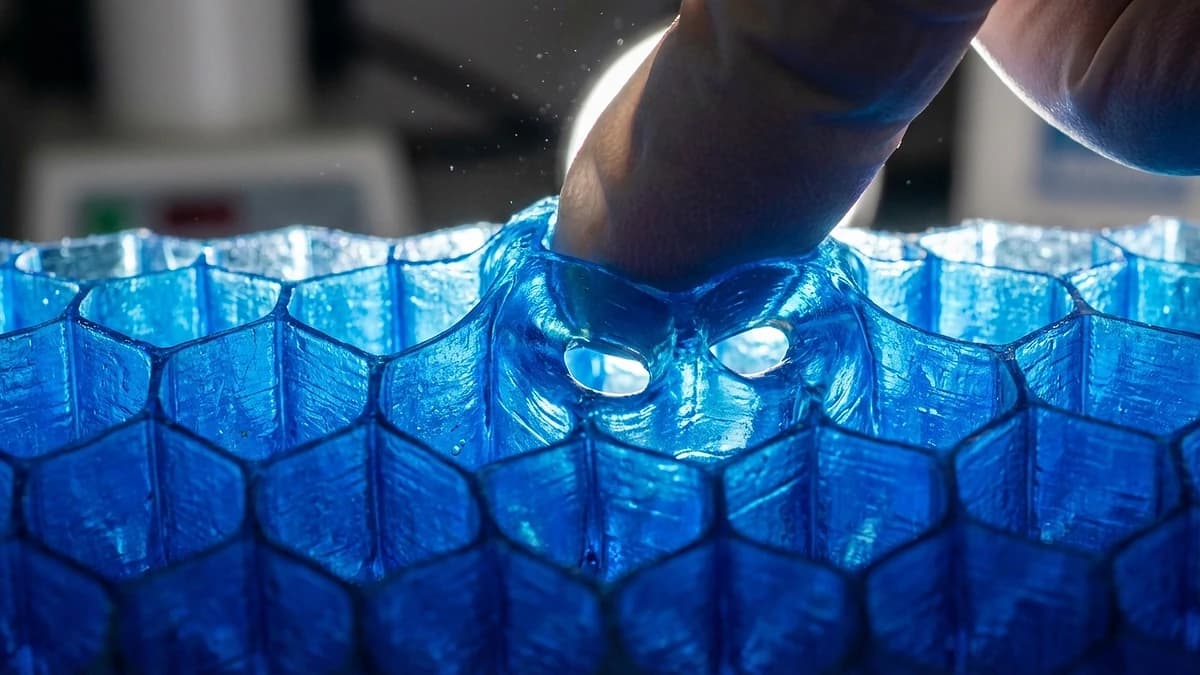
Gel cushions use a flexible grid or solid gel layer that stays neutral until compressed. The result is immediate responsiveness without a break-in period, though the support profile remains consistent rather than adapting to your specific shape.

  • Memory foam excels at even pressure distribution across the entire seating surface.
  • Gel provides instant cushioning without the slow sink-in period.
  • Foam density ratings (measured in pounds per cubic foot) indicate long-term durability.
  • Gel grids allow airflow through their structure, reducing heat buildup.
Session-length suitability

Session-length suitability

For sessions under two hours, both materials perform similarly and the choice is largely personal preference. The differences become noticeable during extended sitting when heat accumulation and support consistency start to diverge.

Memory foam maintains its contoured shape well through long sessions but can trap body heat after three to four hours. Gel stays temperature-neutral longer but may feel less supportive as the session extends because it does not mold to your body.

  • Under 2 hours: both materials perform comparably.
  • 2-4 hours: memory foam provides stronger contour retention.
  • 4+ hours: heat-sensitive users may prefer gel's neutral temperature.
Driver seat with supportive lumbar positioning

Temperature and airflow comparison

Temperature management is the most common differentiator buyers cite. Memory foam is a closed-cell material that insulates body heat, which can feel warm in non-air-conditioned environments or during summer months.

Gel cushions — particularly grid-style designs — allow air to circulate through their structure. If you work in a warm office or tend to overheat while sitting, gel provides a measurably cooler surface throughout the day.

  • Gel grid designs offer the best airflow of any cushion type.
  • Memory foam with gel-infused layers splits the difference on cooling.
  • Breathable mesh covers can improve heat dissipation on either material.
Modern car interior optimized for comfort

Decision checklist

Start with your primary complaint. If you experience pressure pain or numbness, memory foam's contouring will likely help more. If you overheat or want a cushion that feels the same from minute one to hour eight, gel is the stronger pick.

Consider your workspace conditions and whether your chair already has built-in seat padding. A cushion that solves your top issue matters more than one that scores well on every metric.

  • Choose memory foam for: pressure relief, long-session contouring, cooler offices.
  • Choose gel for: heat management, instant response, warm environments.
  • Check return policies — a one-week trial reveals more than any spec sheet.
  • Combine either material with a lumbar pillow for full seated support.

Dazniausiai uzduodami klausimai

Which is better for all-day desk work?

Memory foam is generally preferred because it molds to your shape and maintains consistent support. However, heat-sensitive users may find gel more comfortable after the four-hour mark.

Does gel always stay cooler?

Gel cushions stay cooler than standard memory foam, but room temperature and cover fabric also play a role. Grid-style gel designs offer the best airflow.

Can I combine a gel seat cushion with a lumbar pillow?

Yes, this is a common and effective setup. The seat cushion handles pressure relief while the lumbar pillow supports your lower back curve.

How long do these materials last?

Quality memory foam lasts two to four years before noticeable compression. Gel cushions typically maintain their structure slightly longer since they do not rely on cell memory.

Is one material better for heavier users?

Higher-density memory foam (above 4 lb/ft³) handles heavier loads without bottoming out. Gel grids also perform well since they flex rather than compress permanently.

Susije gidai

Naršykite šiuos gidus, kad sužinotumėte daugiau ir rastumėte tinkamą sprendimą.