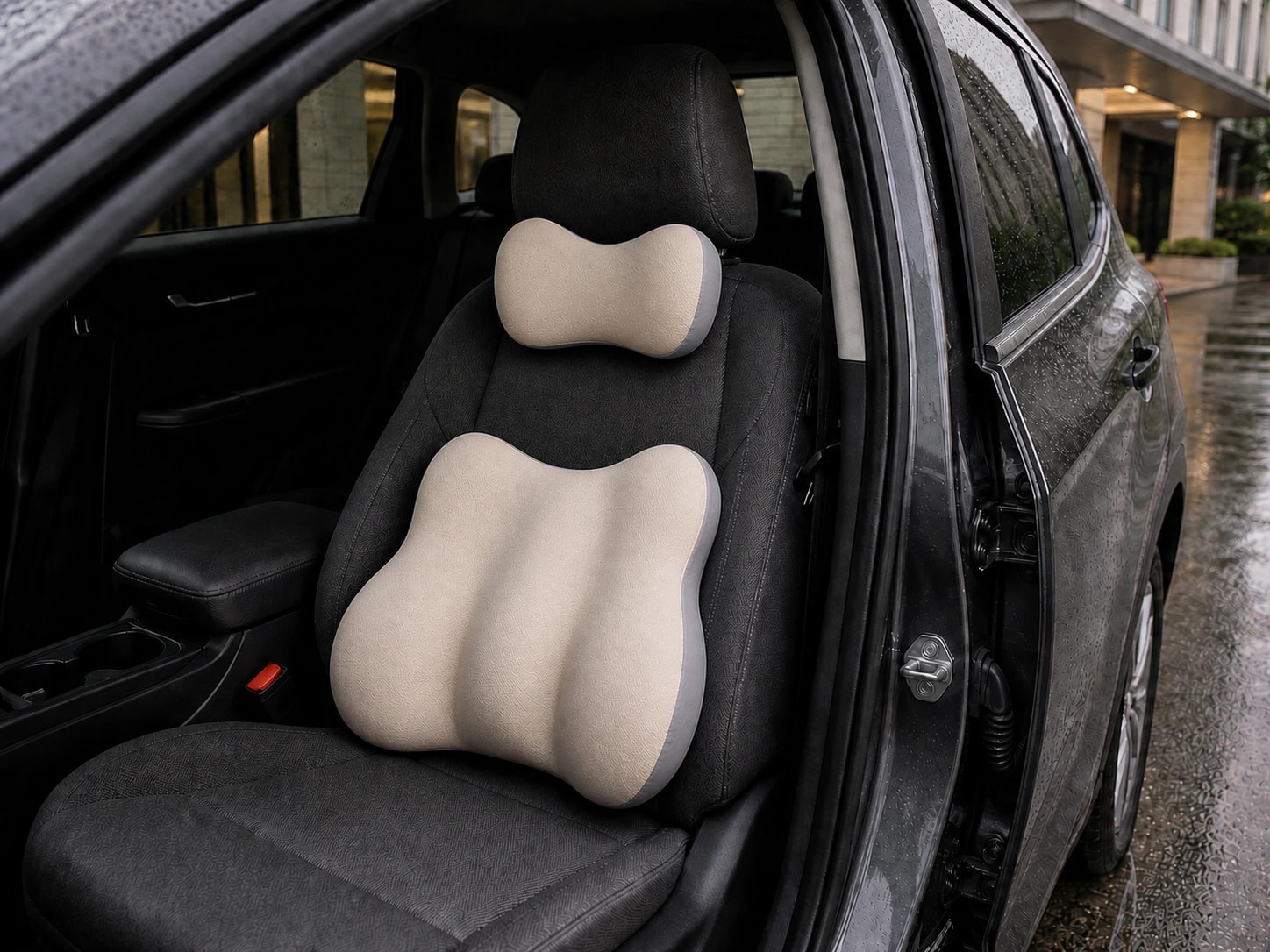
Match support depth to the vehicle seat
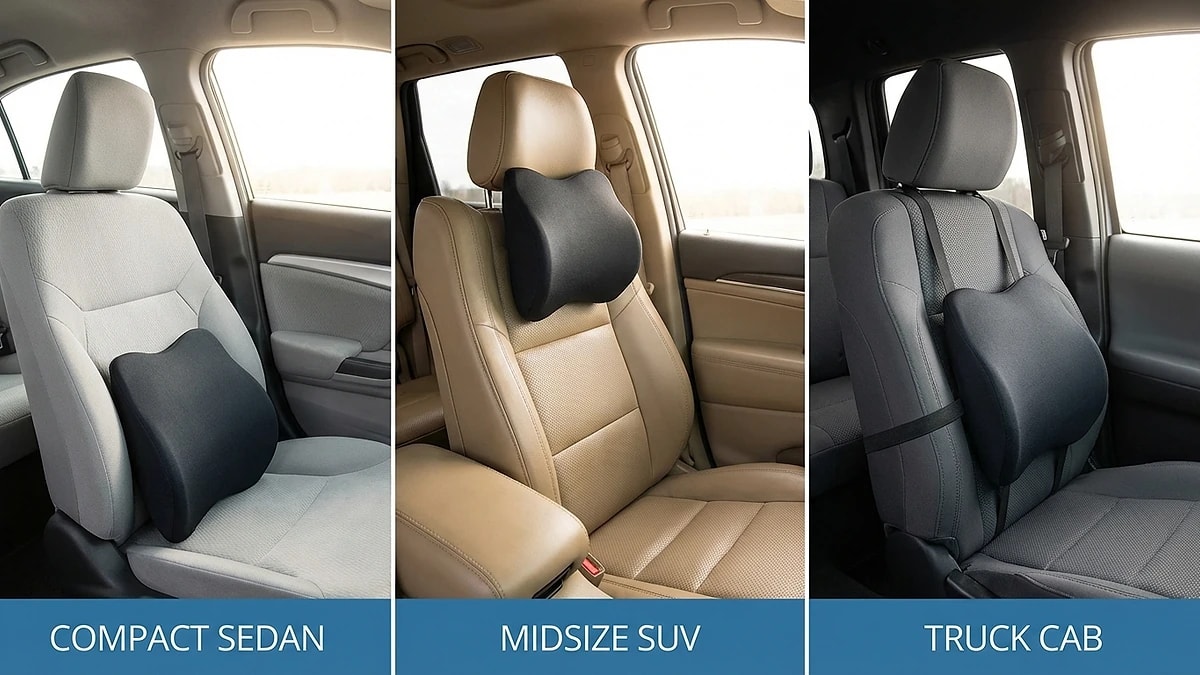
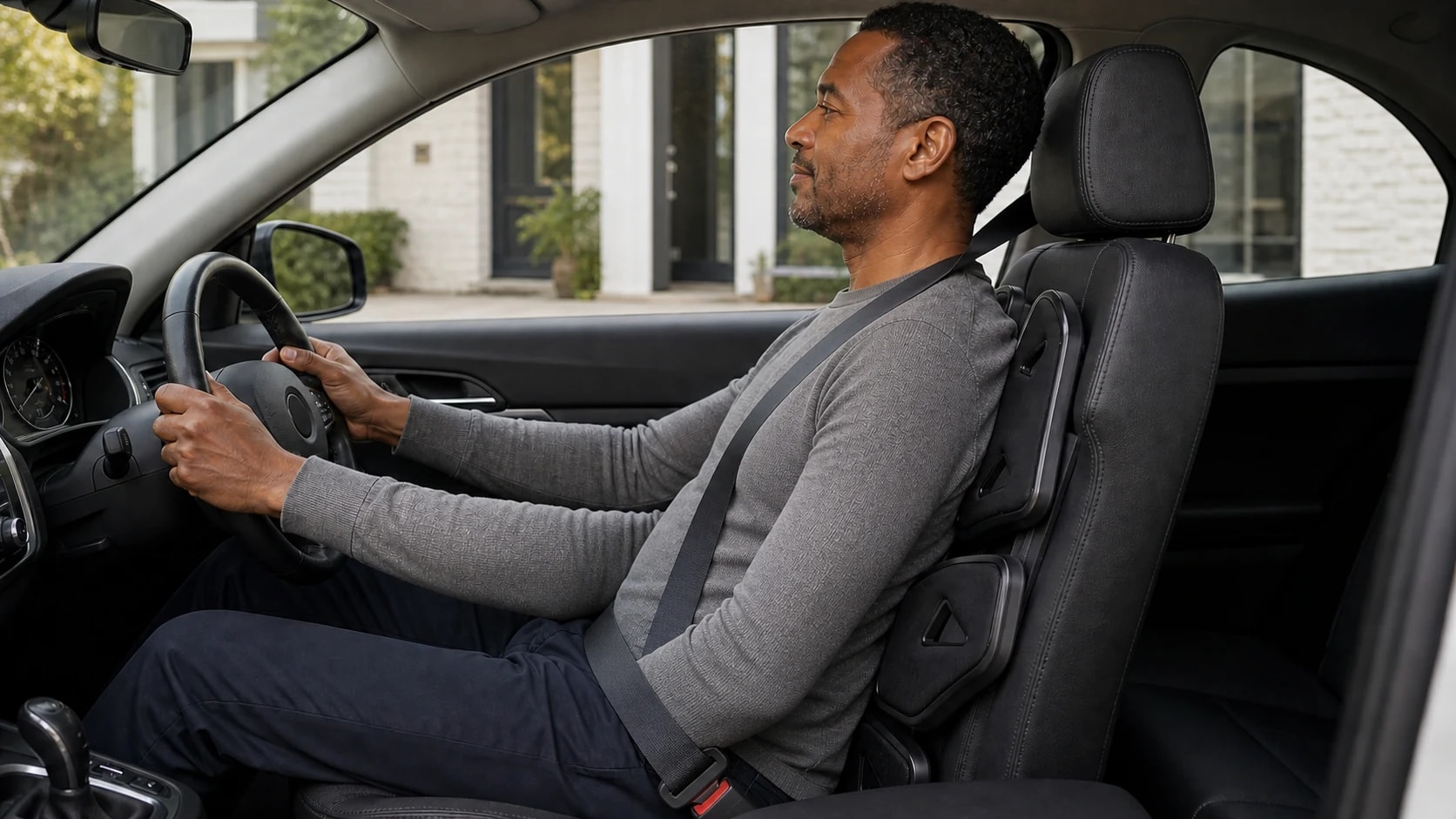
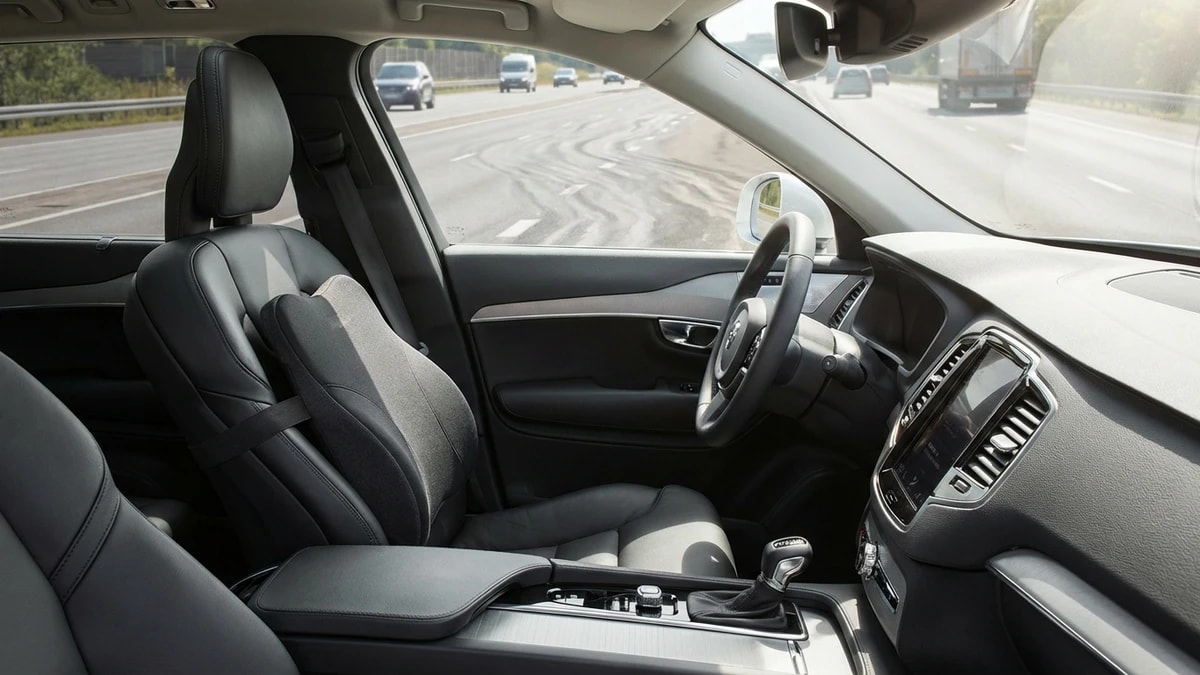
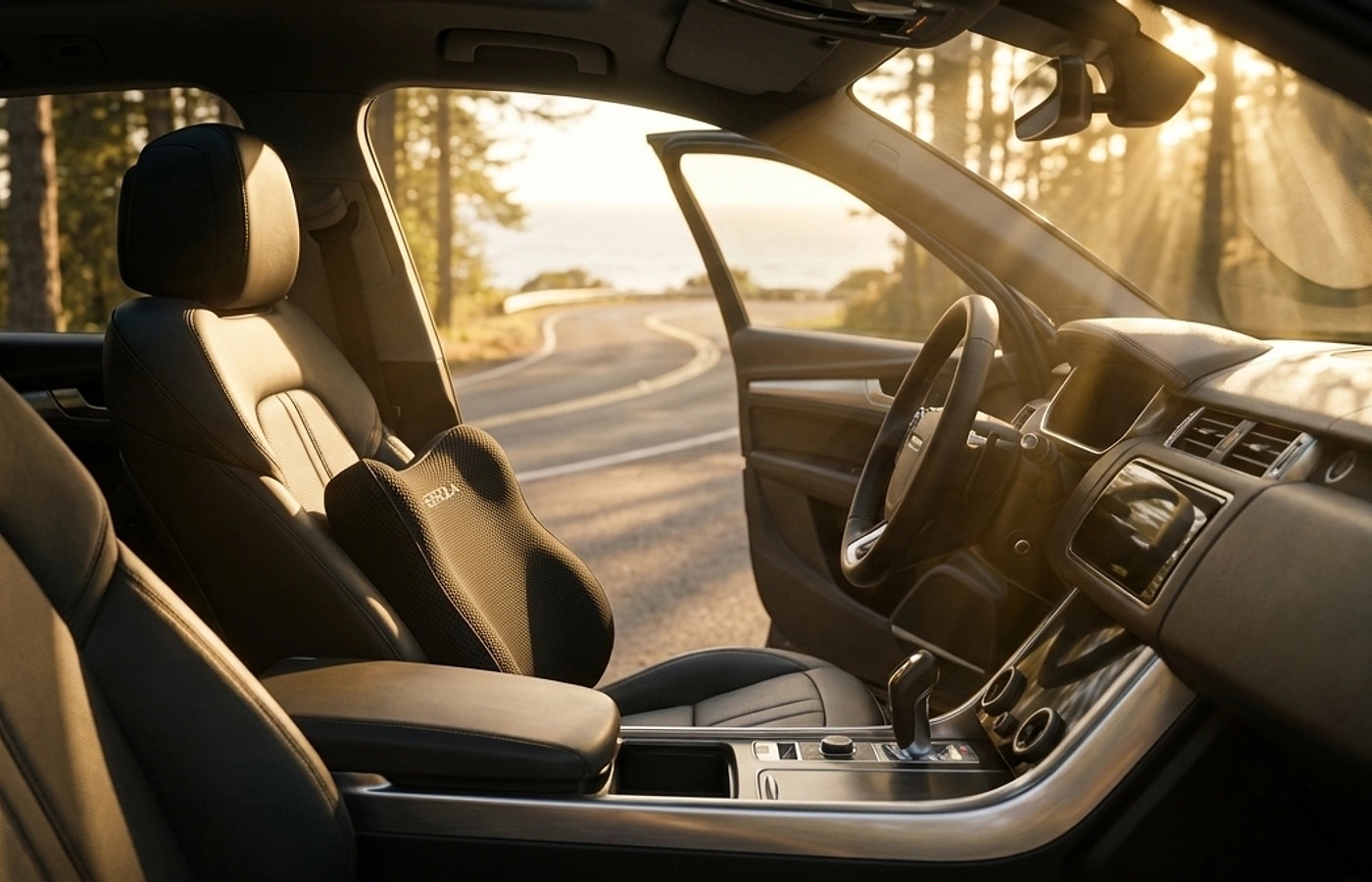
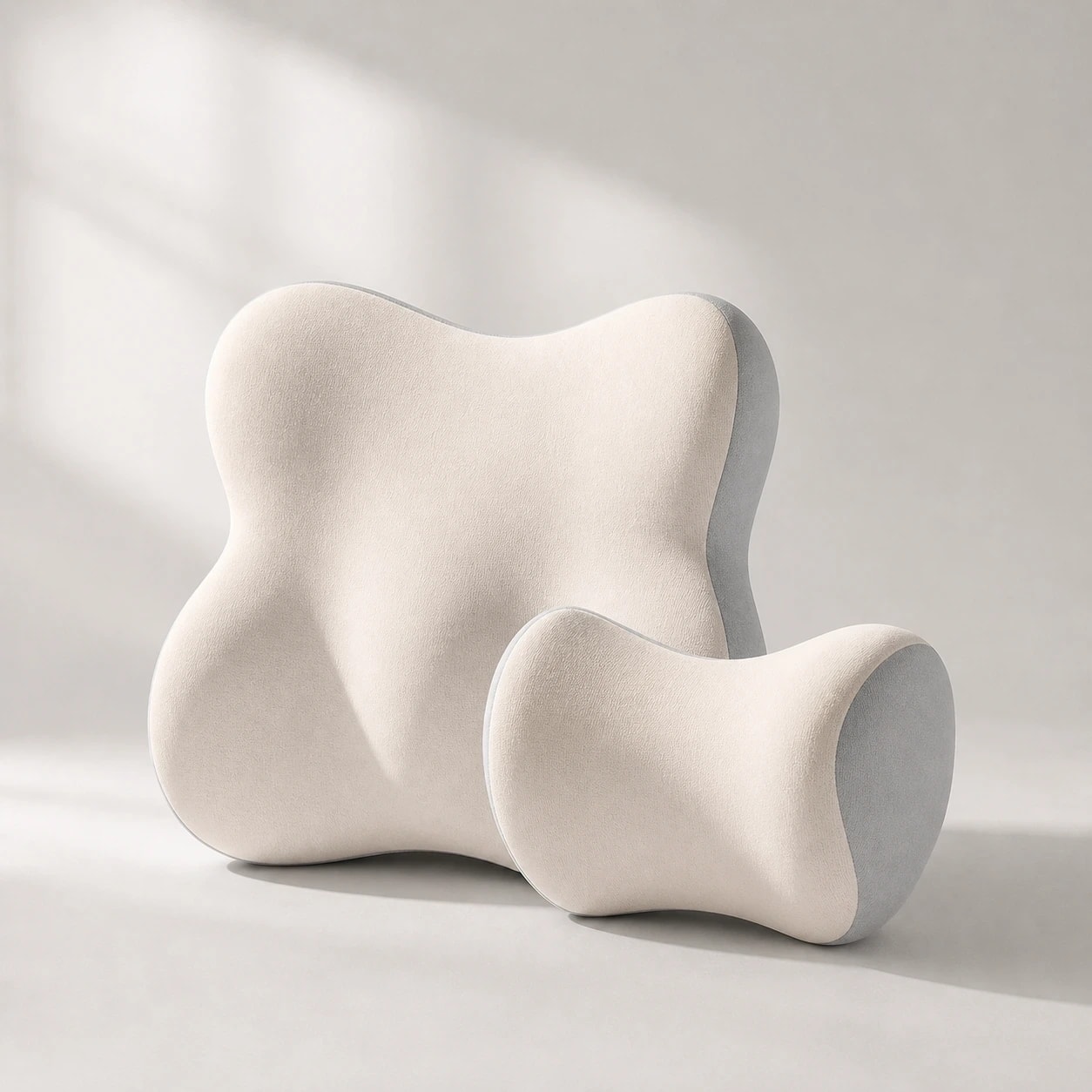
The best lumbar support for a car begins with seat fit. Sit in your normal driving position and note the space between the lower-back curve and the seatback. A car lumbar support cushion should fill that space without moving your shoulders away from the backrest or bringing your torso closer to the steering wheel.
Deep bucket seats and pronounced side bolsters leave less room for a broad contour. Flatter sedan, SUV, and truck seatbacks may accept a wider cushion, but the actual seat geometry matters more than the vehicle label. Compare the cushion dimensions with the available space before ordering.
- Compare profile depth with the actual lower-back gap.
- Check clearance around side bolsters and the seatback contour.
- Reject a setup that moves you closer to the steering wheel.
- Do the first fit check while the vehicle is parked.