
30-day money back guarantee | Spring sale — 40% off + free shipping

Gidai pagal situacija

Delivery and Truck Drivers

Operational support framework for professional drivers. Balance comfort, fit consistency, and shift-length endurance.

Delivery and Truck Drivers

Pagrindiniai patarimai

Long shifts demand resilient materials.
Fast re-adjustment between routes improves adherence.
Track outcomes by shift-end fatigue, not by one trip.
Shift-start cab setup

Shift-start cab setup

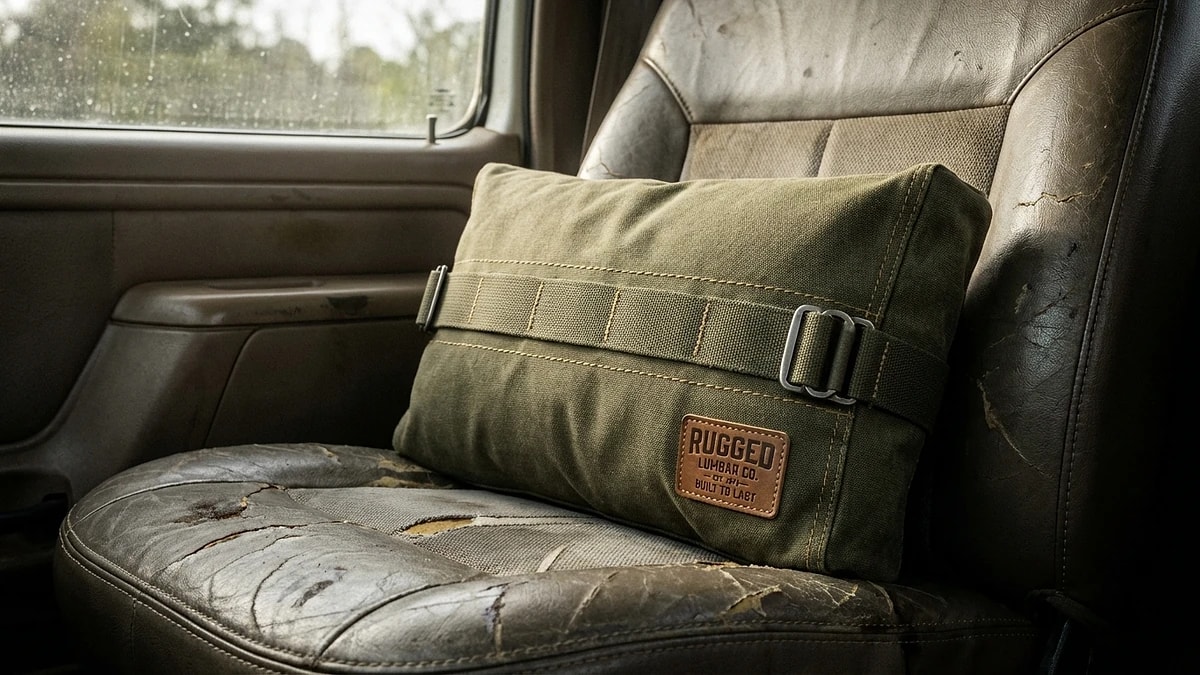
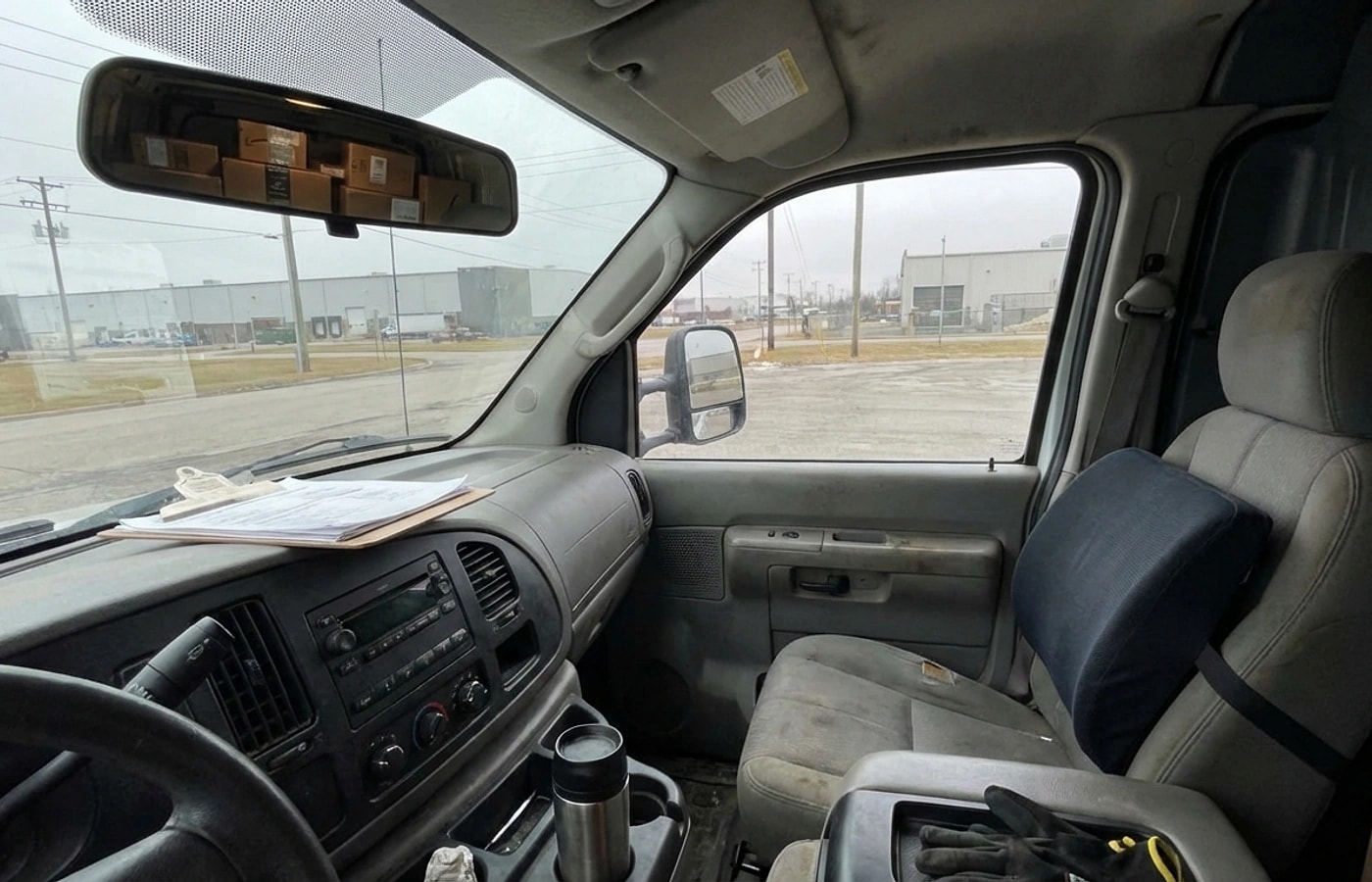
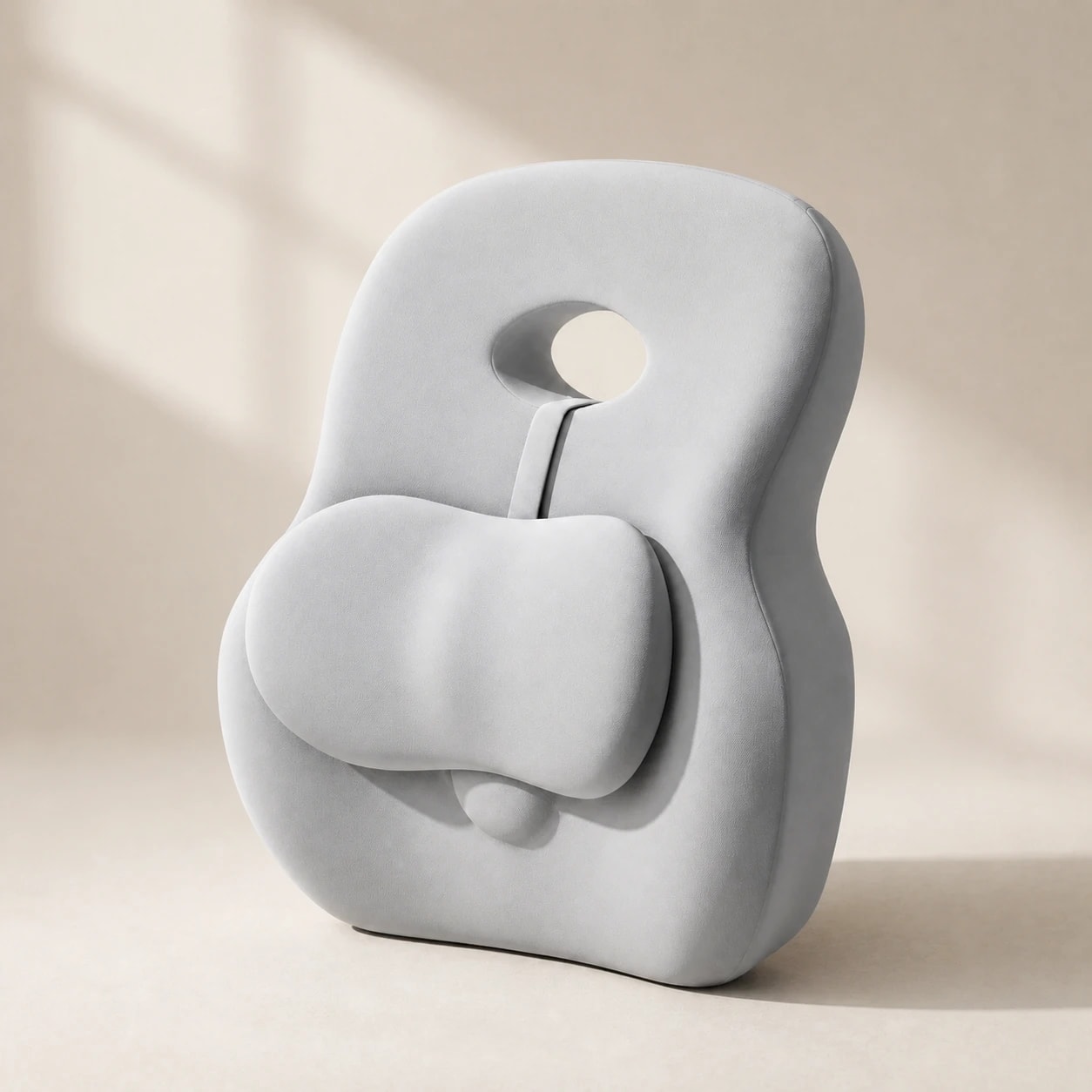
Before pulling out of the yard, spend 90 seconds on your cab setup. Secure lumbar support at belt level with the strap tight enough that hard braking will not dislodge it. Confirm seat tilt and distance from pedals.

Professional drivers who skip this step typically report worse fatigue by hour four. A consistent pre-shift ritual pays for itself in reduced end-of-day soreness.

  • Secure lumbar support with a tight strap before leaving the yard.
  • Set seat distance so your knees have a slight bend at full pedal press.
  • Adjust headrest to contact the middle of your head, not your neck.
Multi-stop re-entry protocol

Multi-stop re-entry protocol

Delivery drivers exit and re-enter the cab dozens of times per shift. Each time you climb back in, your support can shift. Build a one-second check: sit, push hips back, confirm lumbar contact.

This check becomes automatic within a few days. Without it, support drifts forward by midday and you lose the benefit for the hardest hours of the shift.

  • Push hips to the back of the seat every time you re-enter the cab.
  • Confirm lumbar cushion has not slid down after exiting the vehicle.
  • Re-tighten the strap once at midday if your product uses elastic straps.
  • Use a non-slip backing to reduce drift on vinyl or leather seats.
Driver seat with supportive lumbar positioning

Long haul fatigue management

On shifts exceeding six hours, fatigue management goes beyond lumbar placement. Scheduled stops every two hours for a 3-minute walk and stretch keep your muscles from locking into a single position.

Alternate between a slight recline and upright posture every 30 minutes. This shifts pressure zones and prevents the single-posture fatigue that accumulates on long hauls.

  • Stop every two hours for a brief walk and hip extension.
  • Alternate between slight recline and upright every 30 minutes.
  • Keep hydration accessible to create natural break triggers.
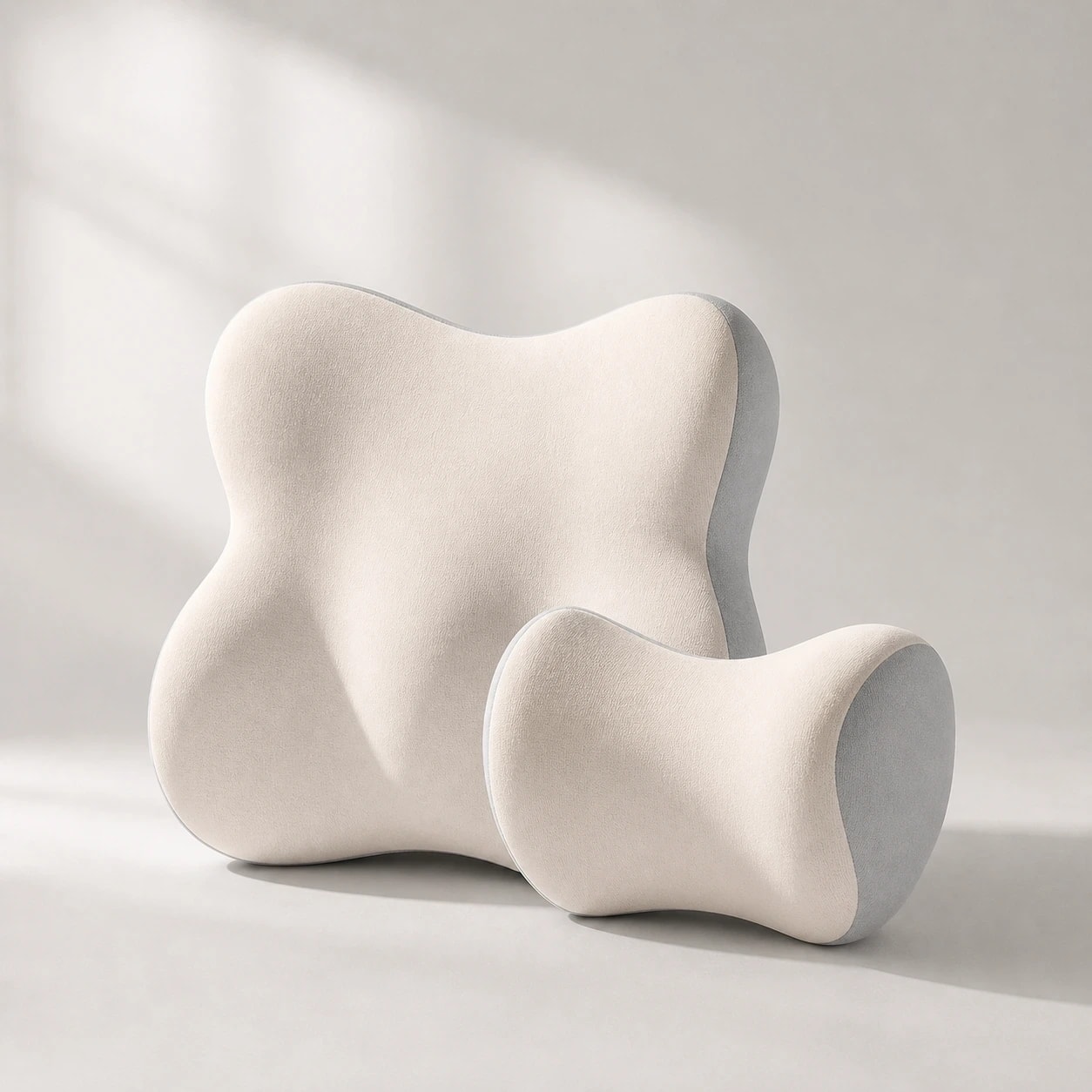
Modern car interior optimized for comfort

Product durability for commercial use

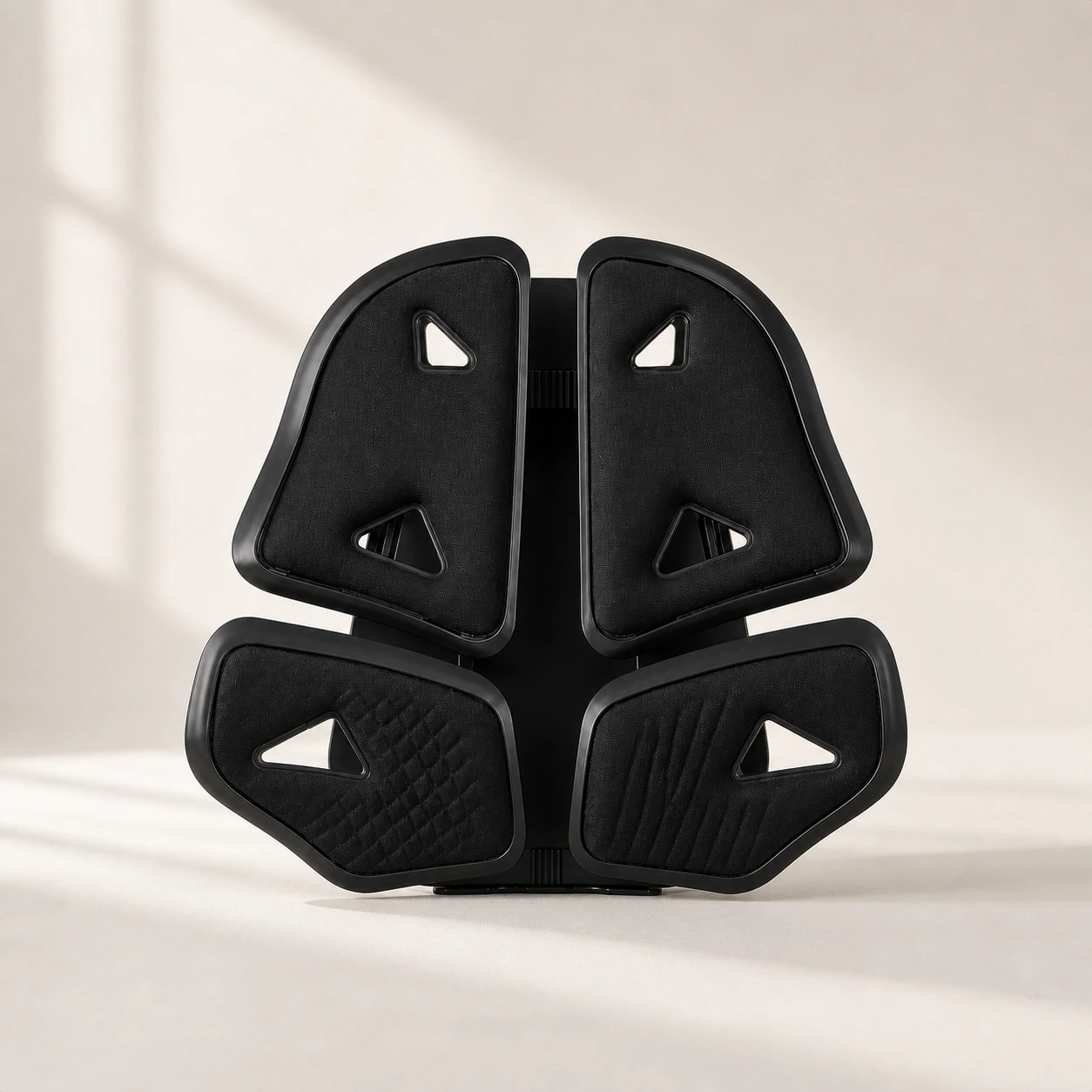
Consumer-grade foam loses shape quickly under 10-plus-hour daily use. Look for high-density memory foam rated for commercial frequency, with removable and washable covers.

Inspect your support monthly for compression flat spots. If the cushion no longer springs back to full shape within 30 seconds of standing, it is time to replace it.

  • Choose high-density foam rated for extended daily use.
  • Select products with removable, machine-washable covers.
  • Inspect monthly for permanent compression or flat spots.
  • Replace support when recovery time exceeds 30 seconds.

Dazniausiai uzduodami klausimai

What matters most on 8 to 12 hour shifts?

Shape retention and low-slip positioning are the top priorities. Everything else is secondary to those two factors.

How often should support be replaced?

Inspect monthly for compression loss. Most commercial-use cushions need replacement every 6 to 12 months.

Can this be standardized across a fleet?

Yes, with seat-type segmentation and a printed setup card in each cab. Drivers learn the protocol within a few shifts.

Does vibration from the truck affect support longevity?

Constant vibration accelerates foam breakdown. Choose products with vibration-resistant foam or replace more frequently.

Should delivery drivers use a seat cushion too?

If pressure discomfort persists despite good lumbar support, adding a seat cushion helps distribute weight more evenly during long shifts.

Susije gidai

Naršykite šiuos gidus, kad sužinotumėte daugiau ir rastumėte tinkamą sprendimą.