30-day money back guarantee | Spring sale — 40% off + free shipping

Sprendimai

Lower Back Support While Sitting

Practical lower-back support strategy for long sitting sessions. Combine lumbar support, seat setup, and movement intervals.

Lower Back Support While Sitting

Pagrindiniai patarimai

Support works best when paired with movement rhythm.
Chair geometry and lumbar height are first-order variables.
Consistency over one to two weeks matters more than one-day results.
Three-part support system

Three-part support system

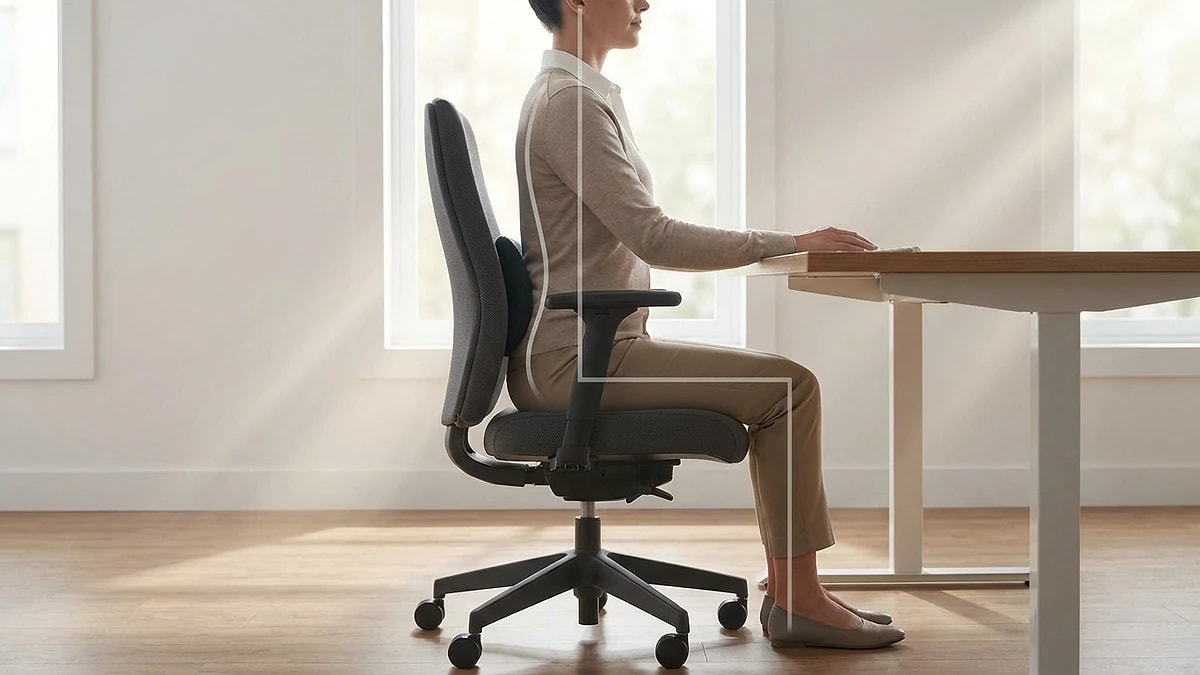
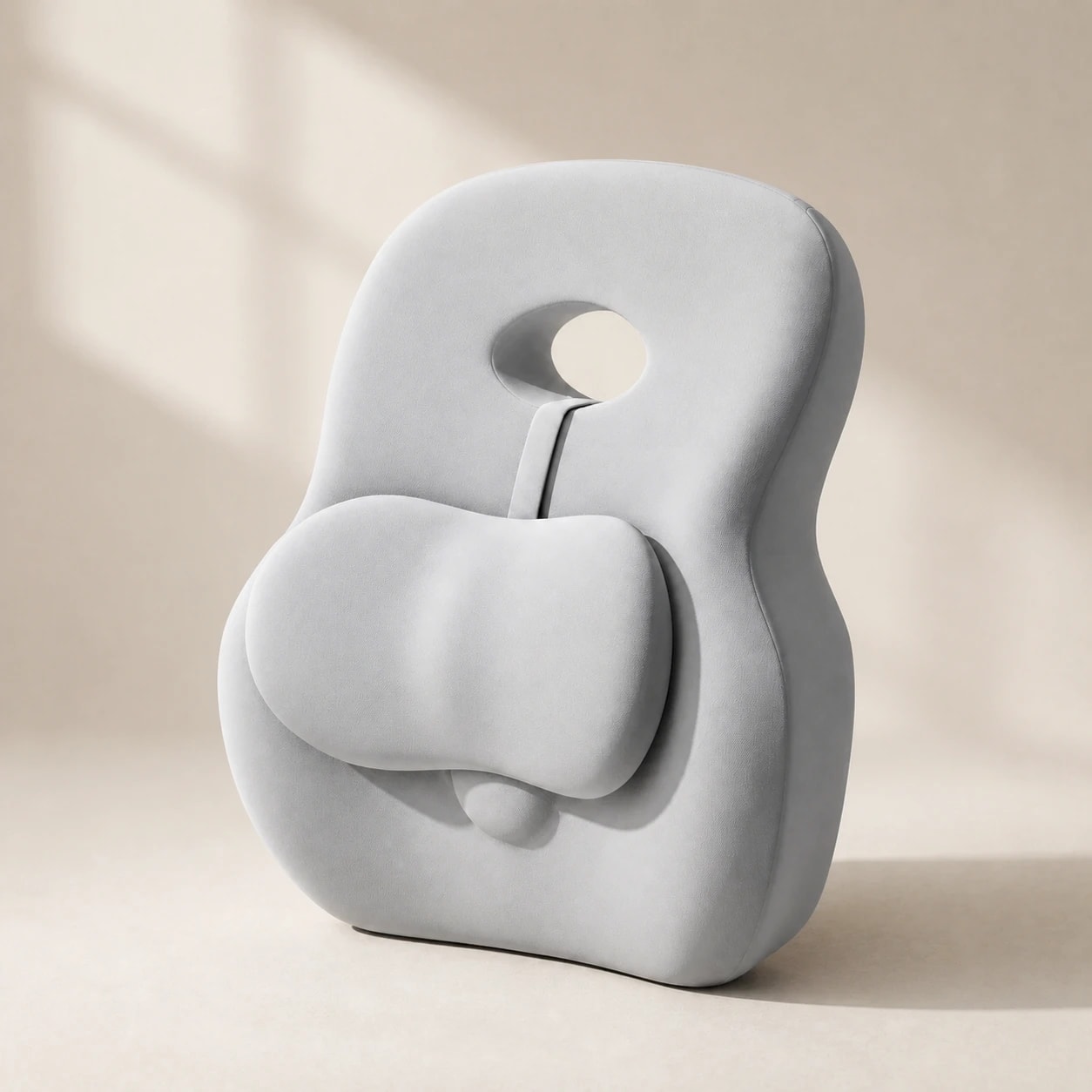
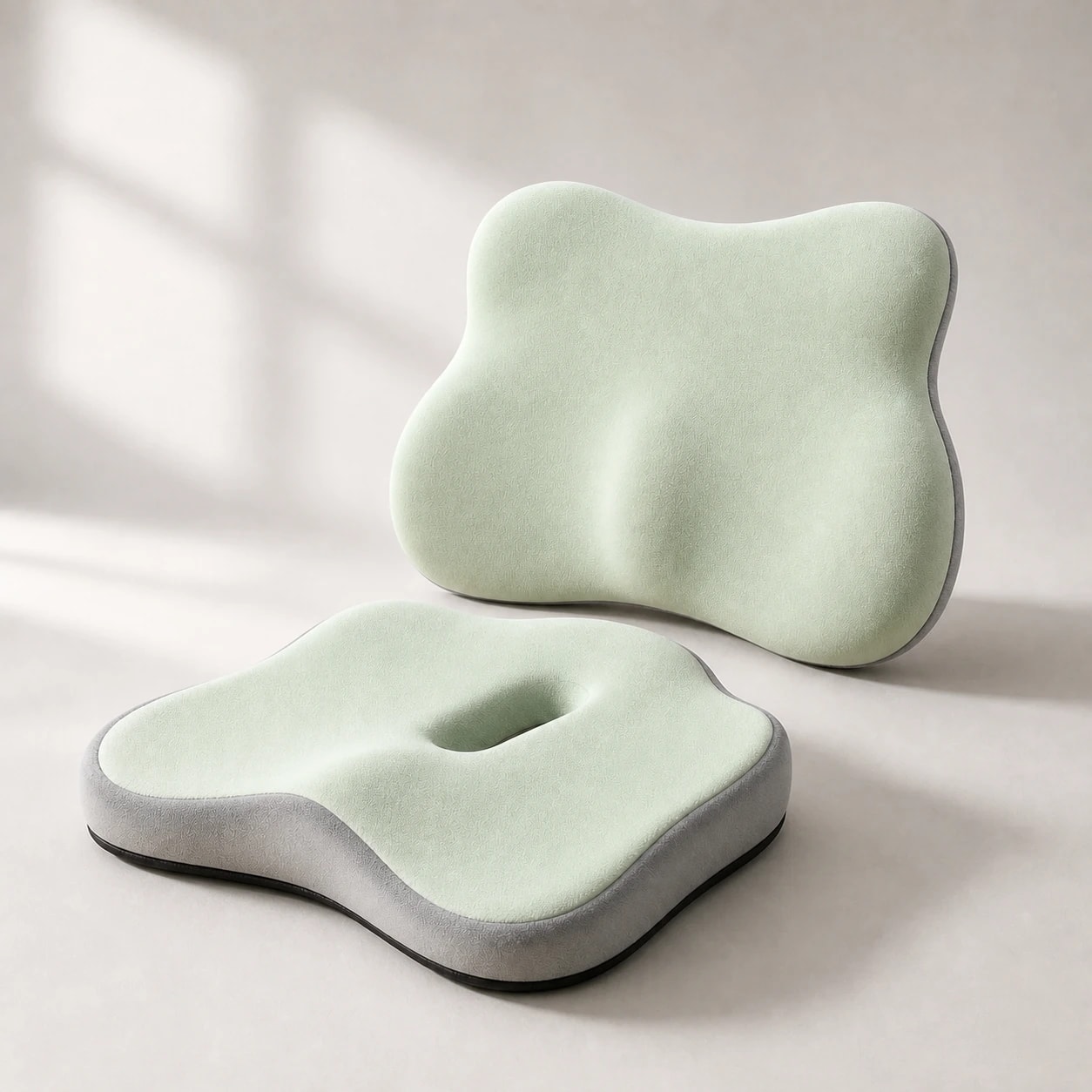
Effective lower-back comfort during prolonged sitting requires three coordinated elements working together: lumbar support to maintain spinal curvature, seat-pressure management to prevent ischial compression, and timed movement breaks to restore circulation and reset postural muscles. Most users who report that lumbar support did not work for them were relying on just one of these elements while ignoring the other two.

The interaction between these elements is synergistic — lumbar support keeps the spine in neutral, which allows the seat cushion to distribute pressure more evenly, which reduces the fidgeting that disrupts lumbar pillow positioning. When all three elements are dialed in, users typically notice that they can sit comfortably for 60 to 90 minutes before needing a movement break, compared to 20 to 30 minutes without the system in place.

  • Lumbar support: maintains spinal curvature and reduces muscle fatigue
  • Seat pressure management: distributes weight and prevents compression
  • Timed movement breaks: restores circulation and resets postural muscles
  • All three elements together extend comfortable sitting time by 2-3x
Weekly comfort tracking routine

Weekly comfort tracking routine

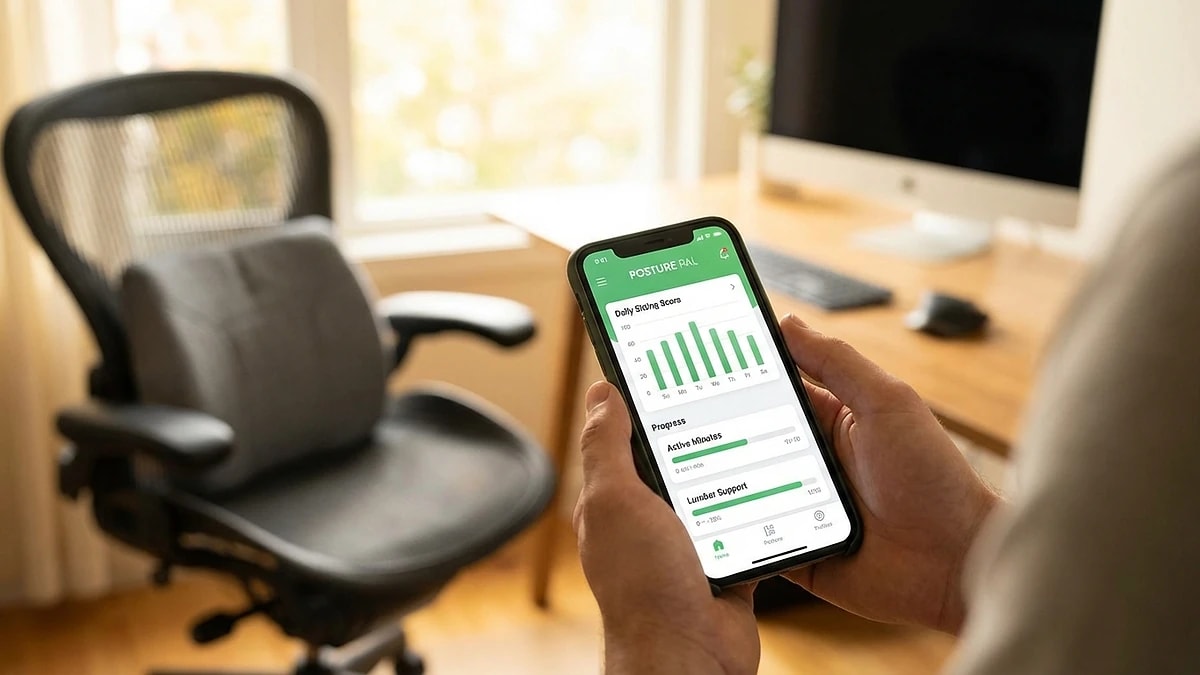
Objective self-tracking transforms vague comfort complaints into actionable data. Use a simple three-point daily check-in: morning fit quality rating (how the setup feels in the first 30 minutes), midday fatigue score (energy and comfort level at lunch), and evening discomfort score (pain or stiffness level at end of day). Rate each on a 1 to 5 scale and note in a phone app or simple spreadsheet.

After one week of tracking, patterns emerge that guide specific adjustments. If morning scores are consistently high but afternoon scores drop, the issue is likely foam compression — your support is losing its shape under sustained load. If morning scores start low, the setup itself may need repositioning. This data-driven approach eliminates guesswork and accelerates the path to a comfortable configuration.

  • Morning check: fit quality rating in first 30 minutes (1-5)
  • Midday check: energy and comfort level at lunch (1-5)
  • Evening check: pain or stiffness at end of day (1-5)
  • Track for one full week to identify actionable patterns
Chair geometry and its impact on lower-back health

Chair geometry and its impact on lower-back health

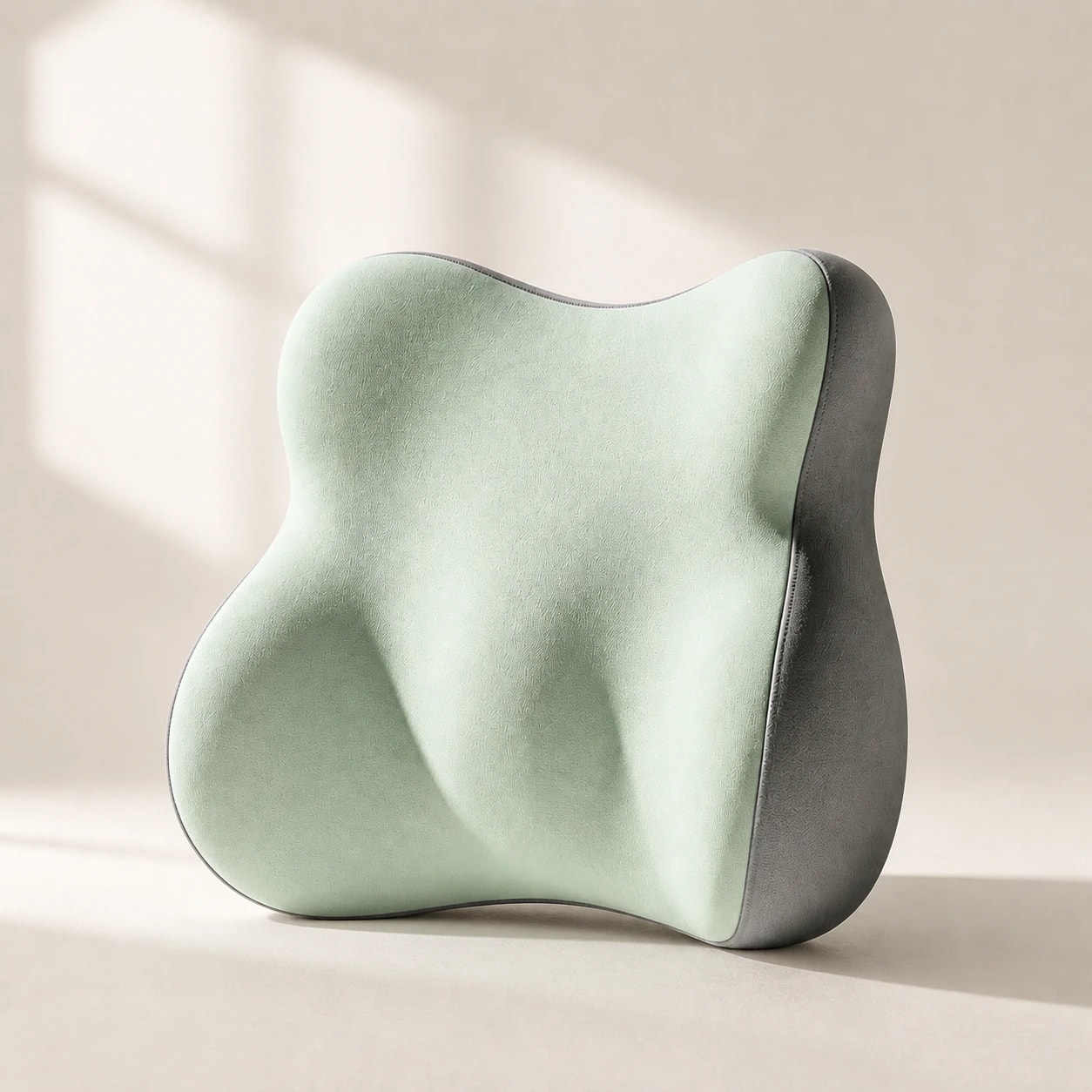
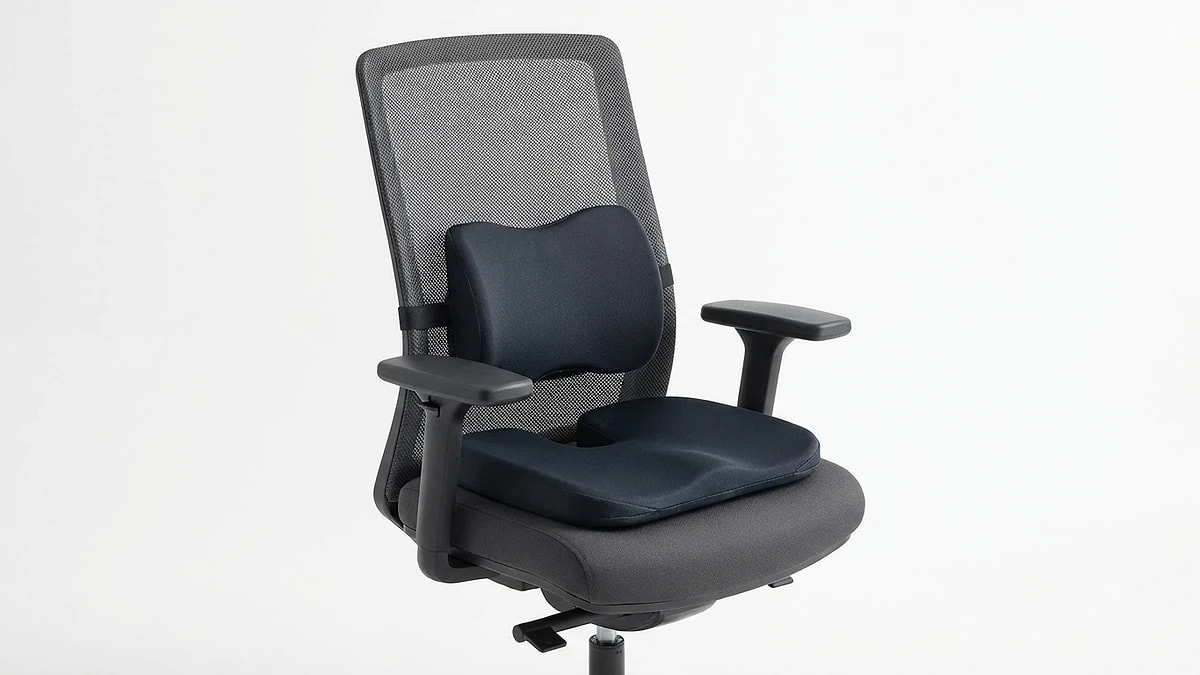
Your chair's built-in geometry determines how much external lumbar support you actually need. Chairs with a pronounced lumbar curve built into the backrest may need only a slim supplemental pillow or no external support at all. Chairs with a flat backrest — common in budget office furniture, dining chairs repurposed for desks, and folding chairs — require a fuller contour pillow to create the lumbar curve that the chair lacks.

Seat depth is an often-overlooked factor in lower-back comfort. If the seat pan is too deep, your back cannot reach the lumbar support without your knees pressing against the seat edge, which restricts circulation. The ideal seat depth leaves two to three finger-widths between the back of your knees and the seat front while maintaining full contact with the lumbar support. If your chair is too deep, a seat cushion positioned toward the backrest can effectively shorten the seat pan.

  • Built-in lumbar curve: minimal or no external support needed
  • Flat backrest: full contour pillow required to create lumbar curve
  • Ideal seat depth: 2-3 finger-widths gap behind knees
  • Too-deep seat: position cushion toward backrest to shorten effective depth
Comfort-focused seating and posture setup

Building sustainable sitting habits

The most ergonomically perfect setup fails if you do not use it consistently. Habit formation around seated posture requires deliberate practice for two to three weeks before the correct position feels natural. During this period, set hourly reminders to check your posture — are you maintaining contact with the lumbar support, or have you slumped forward with your back disconnected from the pillow?

Environmental cues help reinforce the habit. Position your monitor so that the only comfortable viewing angle aligns with proper seated posture. Place a small visual reminder on your desk that prompts a posture check. After the initial habit-forming period, these external cues become unnecessary as the correct position begins to feel more natural than the slouched alternative.

  • Allow 2-3 weeks for correct posture to feel natural
  • Set hourly reminders during the habit-forming period
  • Use environmental cues: monitor position, desk reminders
  • Correct posture becomes automatic after consistent practice

Dazniausiai uzduodami klausimai

Can lumbar support alone solve long-sitting discomfort?

It helps significantly, but best outcomes combine lumbar support with seat-pressure management and regular movement breaks every 60-90 minutes.

How often should I stand up?

Brief movement every 45 to 60 minutes is a practical target for most desk workers. Even 2-3 minutes of standing and walking provides meaningful circulatory recovery.

What if discomfort increases after setup?

Re-check lumbar height and chair depth first — these are the most common positioning errors. If issues persist after adjustment, seek individualized clinical guidance.

Does sitting posture really affect long-term back health?

Sustained poor posture increases spinal disc compression and muscle fatigue over time. Consistent neutral alignment reduces these cumulative stresses substantially.

Should I use a standing desk instead of lumbar support?

Standing desks and lumbar support solve different problems. Alternating between sitting with support and standing provides better outcomes than either approach alone.

Susije gidai

Naršykite šiuos gidus, kad sužinotumėte daugiau ir rastumėte tinkamą sprendimą.