
Cómo sentarse con ciática: posturas que alivian el dolor
La ciática tiene una crueldad particular: convierte lo que más haces, estar sentado, en lo que más duele. Te acomodas en la silla o en el asiento del coche y al cabo de unos minutos aparece ese calambre o quemazón que recorre desde la zona lumbar o el glúteo hasta la parte posterior de la pierna. Si esto te resulta familiar, aprender cómo sentarse con ciática puede aliviar bastante el día a día, aunque ninguna postura es, por sí sola, una cura.
Este artículo trata de reducir la irritación del nervio ciático mientras estás sentado. Vendemos cojines de asiento y soporte lumbar, así que toma las recomendaciones de aquí como una guía de compra evaluada con criterios objetivos, incluidos los nuestros, no como un discurso de ventas. Nuestros productos son ayudas ergonómicas de confort y postura, no dispositivos médicos; la ciática, en particular, conviene que la valore un profesional en lugar de autotratarla si es intensa o aparece junto a las señales de alarma que mencionamos al final del artículo.
Qué es realmente la ciática
La ciática no es un diagnóstico en sí mismo; es una descripción de síntomas causados por la irritación o compresión del nervio ciático, el nervio más largo del cuerpo, que recorre desde la zona lumbar pasando por el glúteo hasta cada pierna. El patrón típico es dolor, hormigueo, entumecimiento o debilidad que viaja desde la parte baja de la espalda o el glúteo hacia la pierna y, a veces, hasta el pie, normalmente en un solo lado. Entre las causas más frecuentes está una hernia discal que presiona la raíz del nervio, aunque lo tranquilizador es que la mayoría de los casos de ciática mejoran en pocas semanas con cuidados en casa y movimiento moderado, y las causas graves son poco comunes.
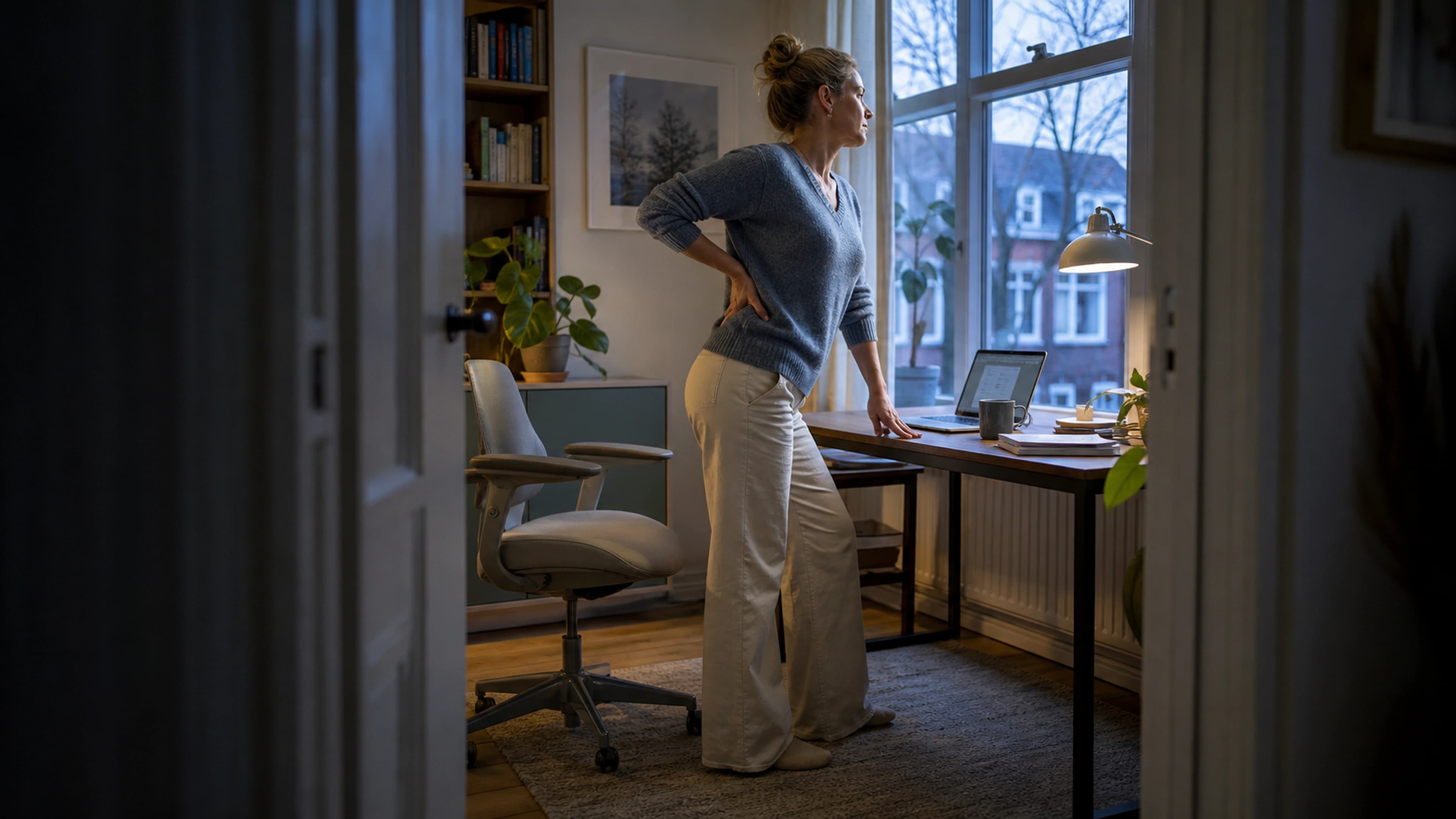
Dado que la irritación es mecánica, tu postura influye directamente en cuánto se provoca el nervio. Estar sentado suele ser incómodo porque carga la zona lumbar y puede poner el nervio bajo tensión, especialmente si te encovas o si el asiento es duro y plano y presiona directamente sobre el glúteo por el que pasa el nervio. Por eso importa cómo te sientas, aunque en última instancia lo que necesita resolverse es la causa subyacente, no la silla.
Las mejores posturas al sentarse con ciática
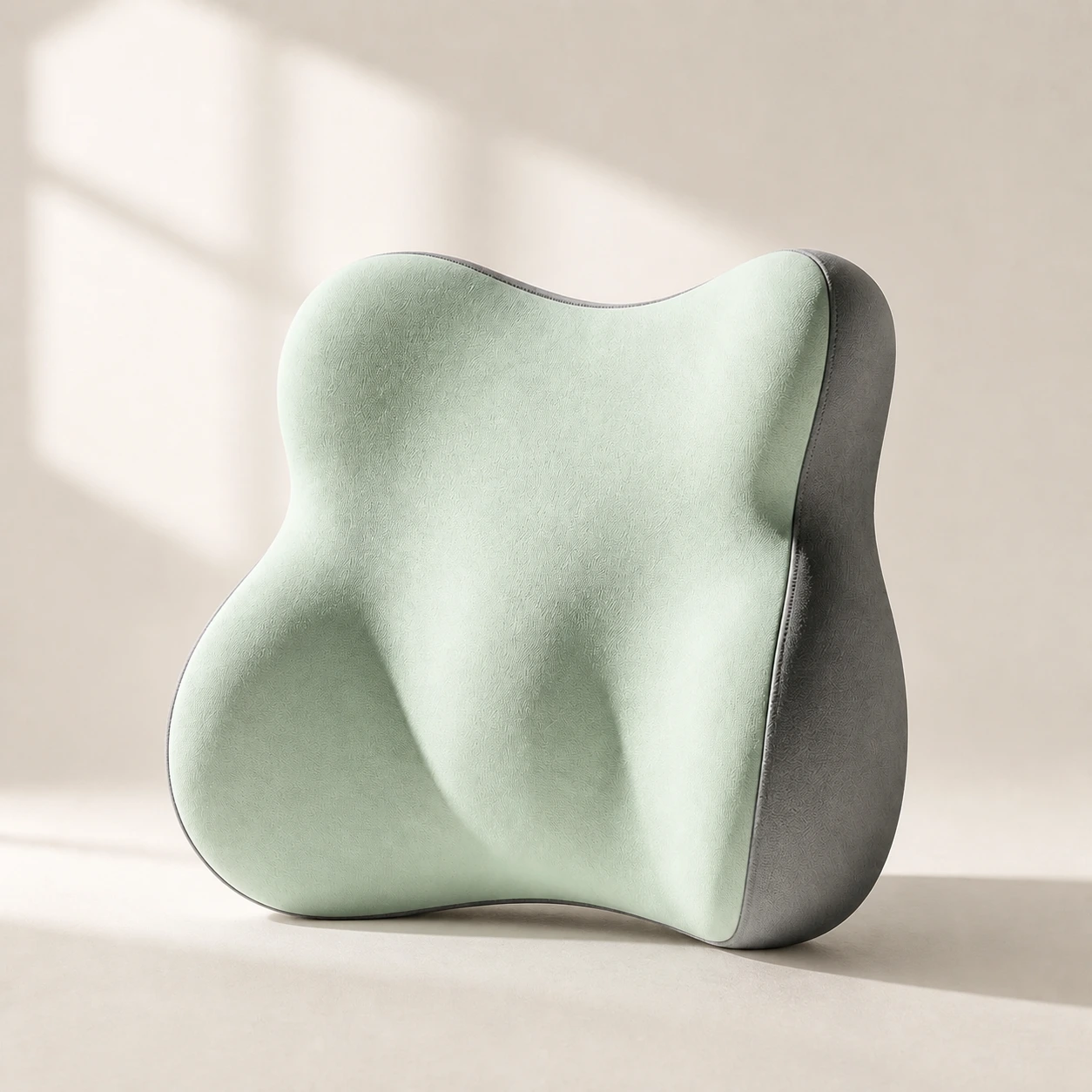 Producto mencionado en esta guíaLumaWing Lumbar CushionEnvío gratis en EE. UU. en cada pedidoPrueba en casa de 60 días · pagamos el envío de devoluciónVer el precio actual
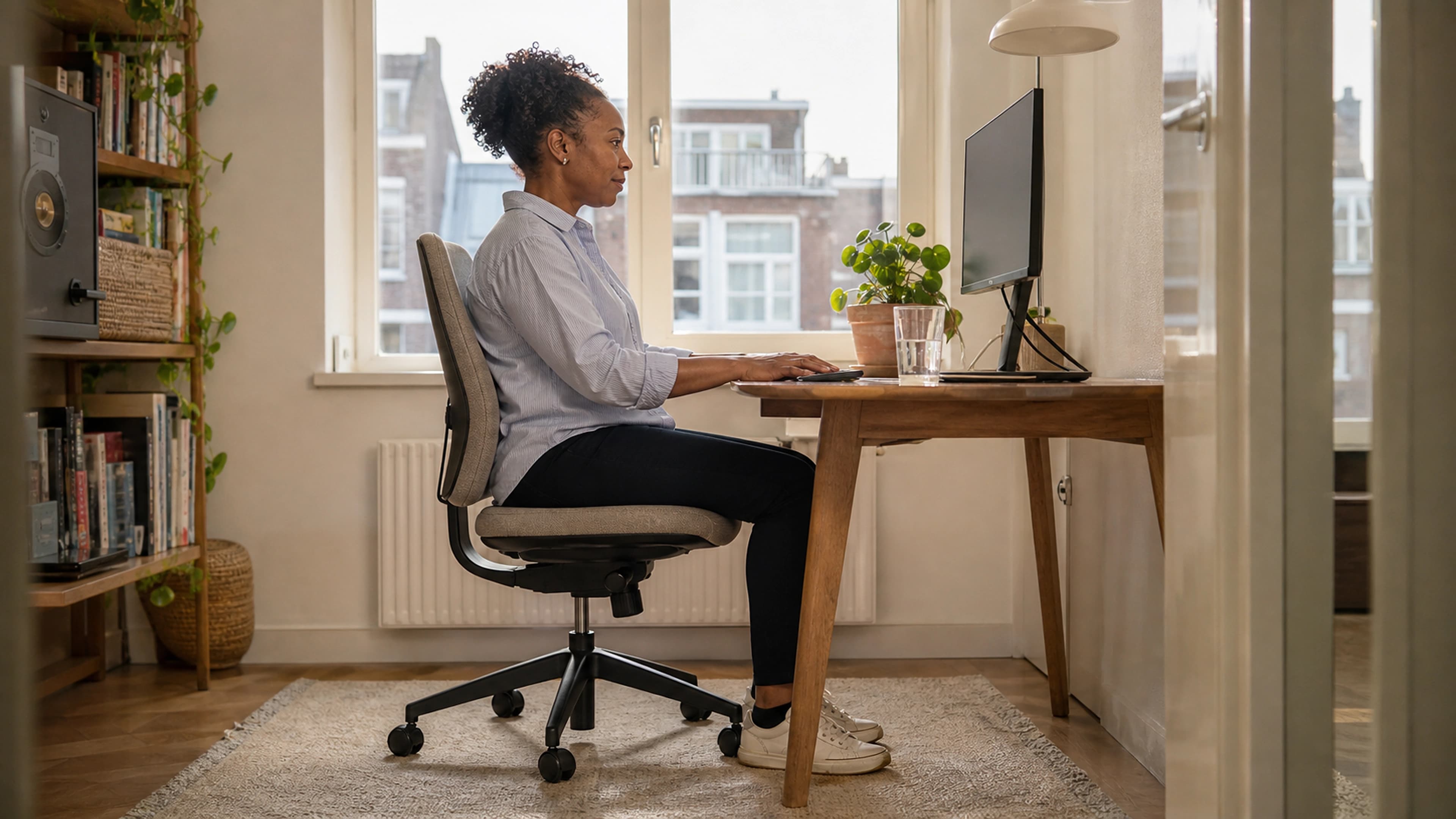
La forma más cómoda de sentarse con ciática suele ser erguido, con la pelvis nivelada y la zona lumbar apoyada en su curva natural hacia adentro, con ambos pies planos en el suelo, las caderas y las rodillas en ángulo recto aproximado, y el peso distribuido de manera uniforme en ambos lados en lugar de cargarte sobre el lado que duele. Siéntate hasta el fondo de la silla, evita encorvarte y levántate a moverte con frecuencia, porque ninguna postura resulta cómoda indefinidamente.
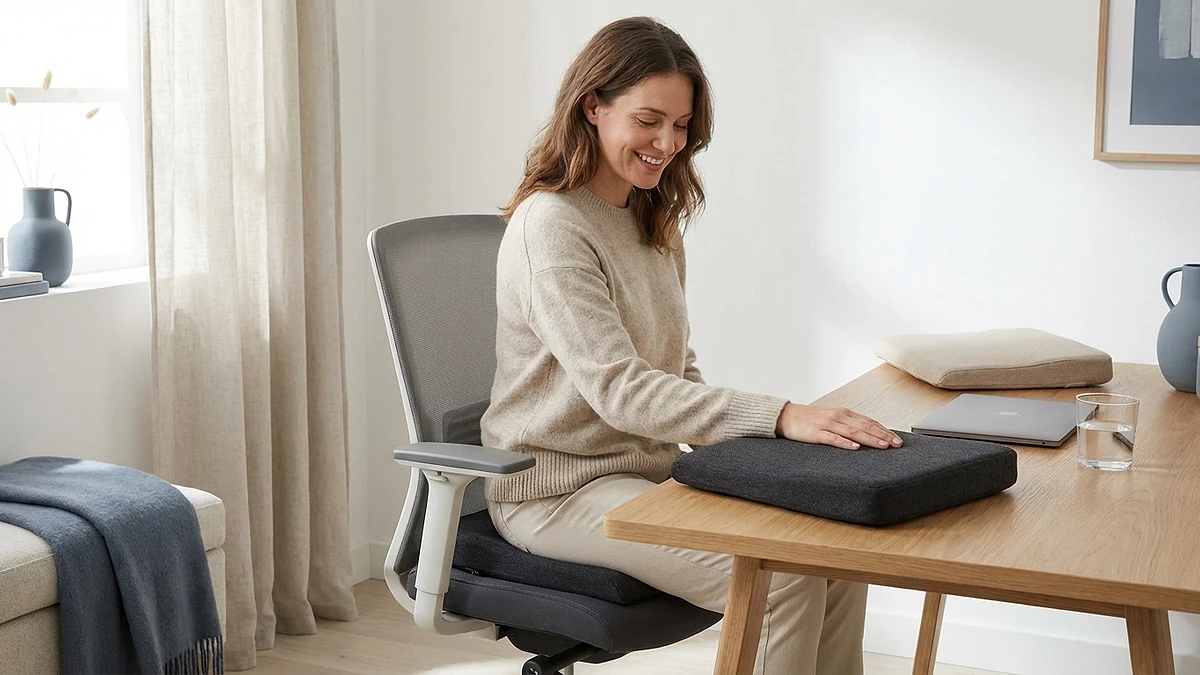
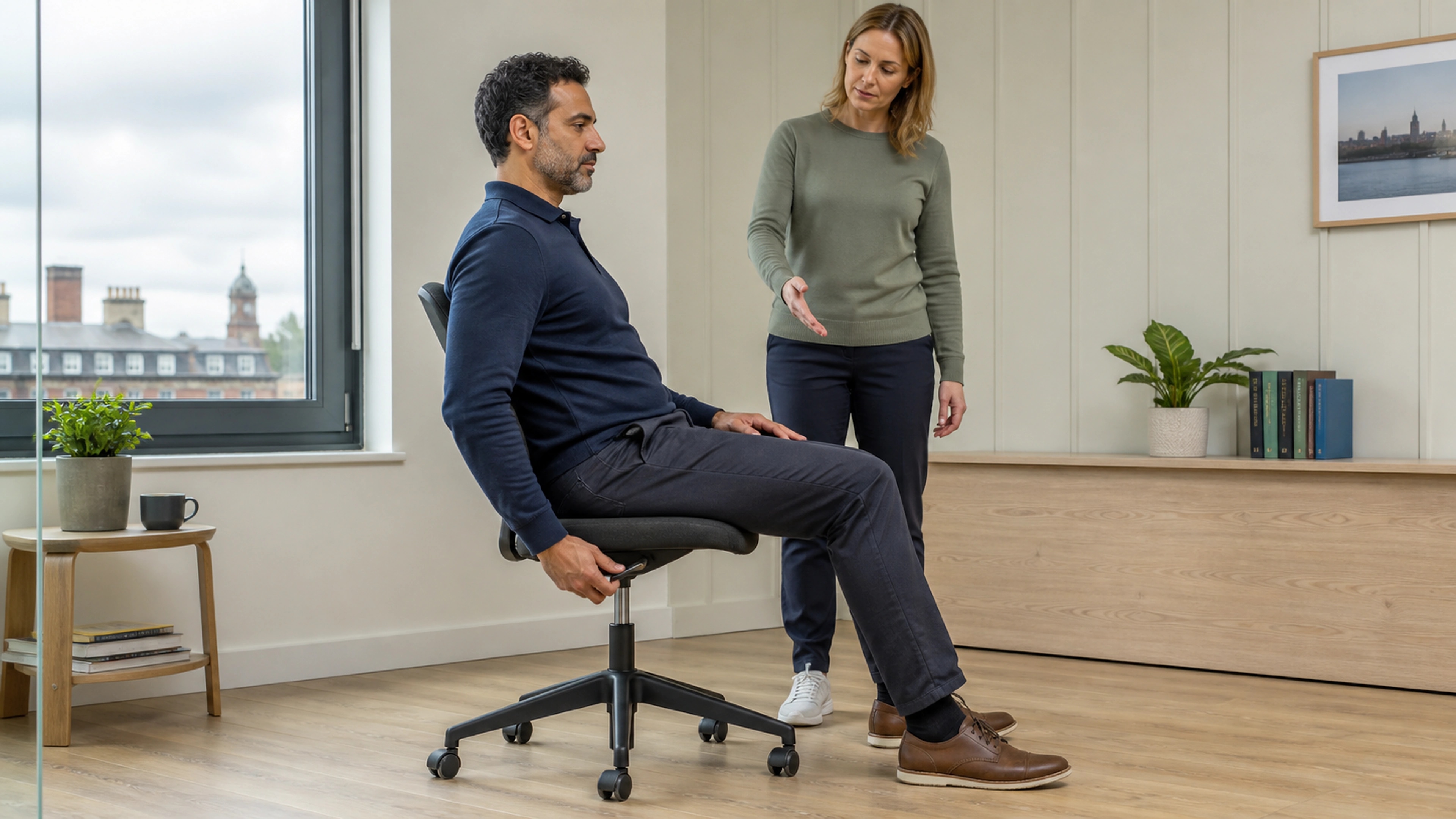
La clave es mantener una pelvis neutra. Cuando te encorvas, la pelvis rota hacia atrás, la curva lumbar se aplana y la zona lumbar y el nervio soportan una carga más sostenida y desigual. Cuando te sientas en el borde del asiento o cruzas las piernas, inclinas la pelvis y concentras la carga en un lado. Una postura nivelada, apoyada y simétrica distribuye mejor la presión y tiende a provocar menos el nervio. No será perfecta, pero suele ser la opción menos mala para periodos prolongados de trabajo sentado.
Cómo preparar tu asiento
Algunas decisiones de configuración facilitan mantener esa postura neutral y simétrica. Como señalan distintos organismos de salud laboral, ninguna postura al sentarse es buena durante demasiado tiempo, por lo que el objetivo es tener una postura cómoda a la que volver, no una posición rígida que te fuerzas a sostener.
- Nivela la pelvis primero. Siéntate hasta el fondo para que ambos isquiones soporten el peso de forma equitativa. Si tiendes a deslizarte hacia adelante, ese es el hábito que hay que corregir, porque sentarse en el borde inclina la pelvis y carga un solo lado.
- Apoya la zona lumbar. Rellena el hueco entre la parte baja de tu espalda y el respaldo para que la silla sostenga tu curva natural en lugar de dejarte caer en ella. Un cojín lumbar colocado a la altura del cinturón cumple esa función; nuestra guía sobre cómo colocar el soporte lumbar explica el ajuste con detalle.
- Alivia la presión sobre el glúteo. Un asiento duro y plano presiona directamente sobre la zona por la que discurre el nervio ciático. Un cojín que distribuya el peso de forma más uniforme puede hacer más llevadero un periodo largo sentado.
- Mantén los pies apoyados. Los pies planos en el suelo o sobre un reposapiés, con las rodillas aproximadamente a la altura de las caderas, mantienen la pelvis nivelada. Tener los pies colgando o el asiento demasiado alto te saca de la postura neutral.
Qué evitar al sentarse
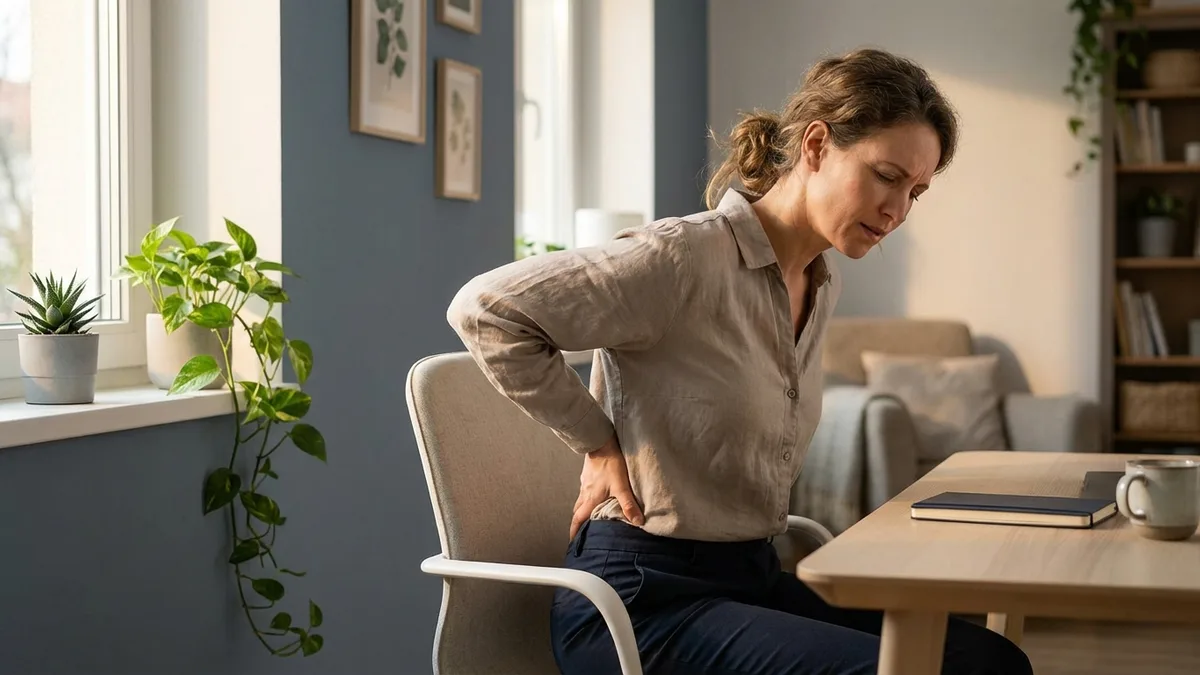
Hay hábitos al sentarse que provocan el dolor ciático de manera sistemática, y evitarlos suele ayudar tanto como cualquier accesorio que añadas.
- Sofás profundos y muy blandos. Un sofá en el que te hundes deja que la pelvis rote hacia atrás y la columna se curve en una joroba prolongada, exactamente la postura que más carga el nervio. Un asiento más firme y con soporte suele ser mucho mejor durante un brote.
- Cruzar las piernas. Cruzar las piernas o doblarlas bajo el cuerpo inclina la pelvis y concentra la carga en un lado. Mantén ambos pies en el suelo y el peso repartido.
- Encorvarse o sentarse en el borde. Ambas posturas aplanan la curva lumbar y concentran la carga en la parte baja de la espalda. Siéntate apoyado en el respaldo.
- Períodos largos sin levantarse. Mantener cualquier postura demasiado tiempo deja el nervio irritado y los músculos rígidos. La solución no es una silla mejor, es levantarse.
El movimiento importa más que la silla
Si te quedas con una sola idea de este artículo, que sea esta: para la ciática, mantenerse activo con suavidad y continuar con las actividades cotidianas en la medida en que el dolor lo permita ayuda más que el reposo en cama, que tiende a ralentizar la recuperación. El movimiento, dentro del umbral de confort, es lo que realmente ayuda al nervio a recuperarse con el tiempo. Un cojín hace más llevaderos los ratos sentado; no trata la causa.
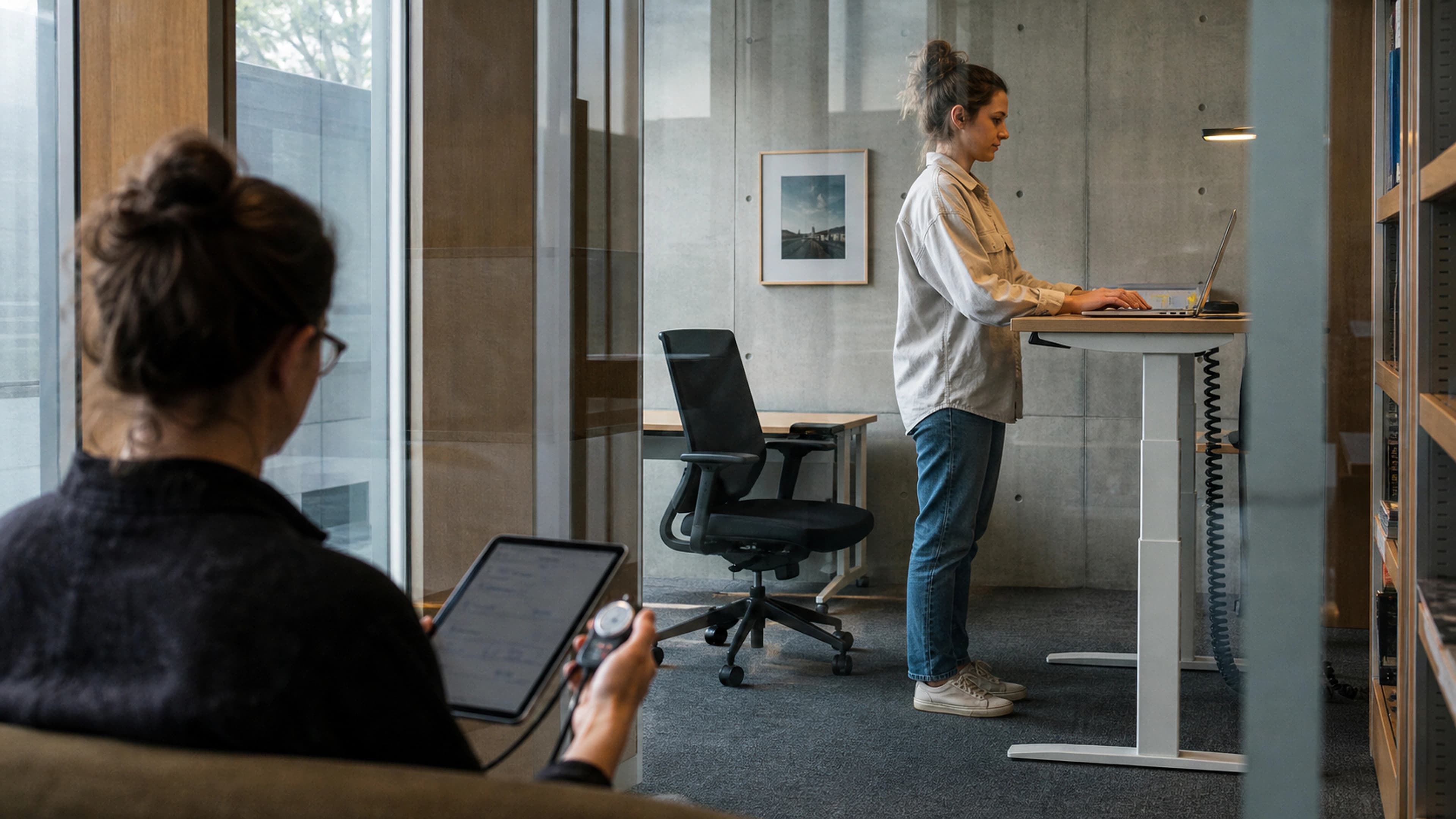
En la práctica, eso significa interrumpir las largas sesiones sentado: levántate, da unos pasos y cambia de postura cada 30 o 60 minutos en lugar de aguantar el malestar. Caminar suavemente y hacer los estiramientos que te indique un fisioterapeuta hace mucho más que cualquier accesorio para la silla. Piensa en el cojín como algo que te ayuda a estar más cómodo entre los momentos de movimiento, no como un sustituto de moverse. Nuestra guía sobre el dolor lumbar al estar sentado desarrolla con más detalle este principio del movimiento.
En qué medida ayuda realmente un cojín de asiento
Un cojín de asiento anatómico tiene una función mecánica concreta en el contexto de la ciática: distribuye tu peso de manera más uniforme y reduce la presión directa sobre el glúteo y el cóccix, la zona por la que discurre el nervio ciático, lo que puede hacer más tolerable una silla dura o un asiento de coche durante un brote. Para muchas personas eso supone una mejora real, aunque modesta, en el confort. Evalúa cualquier cojín, incluidos los nuestros, según estos criterios.
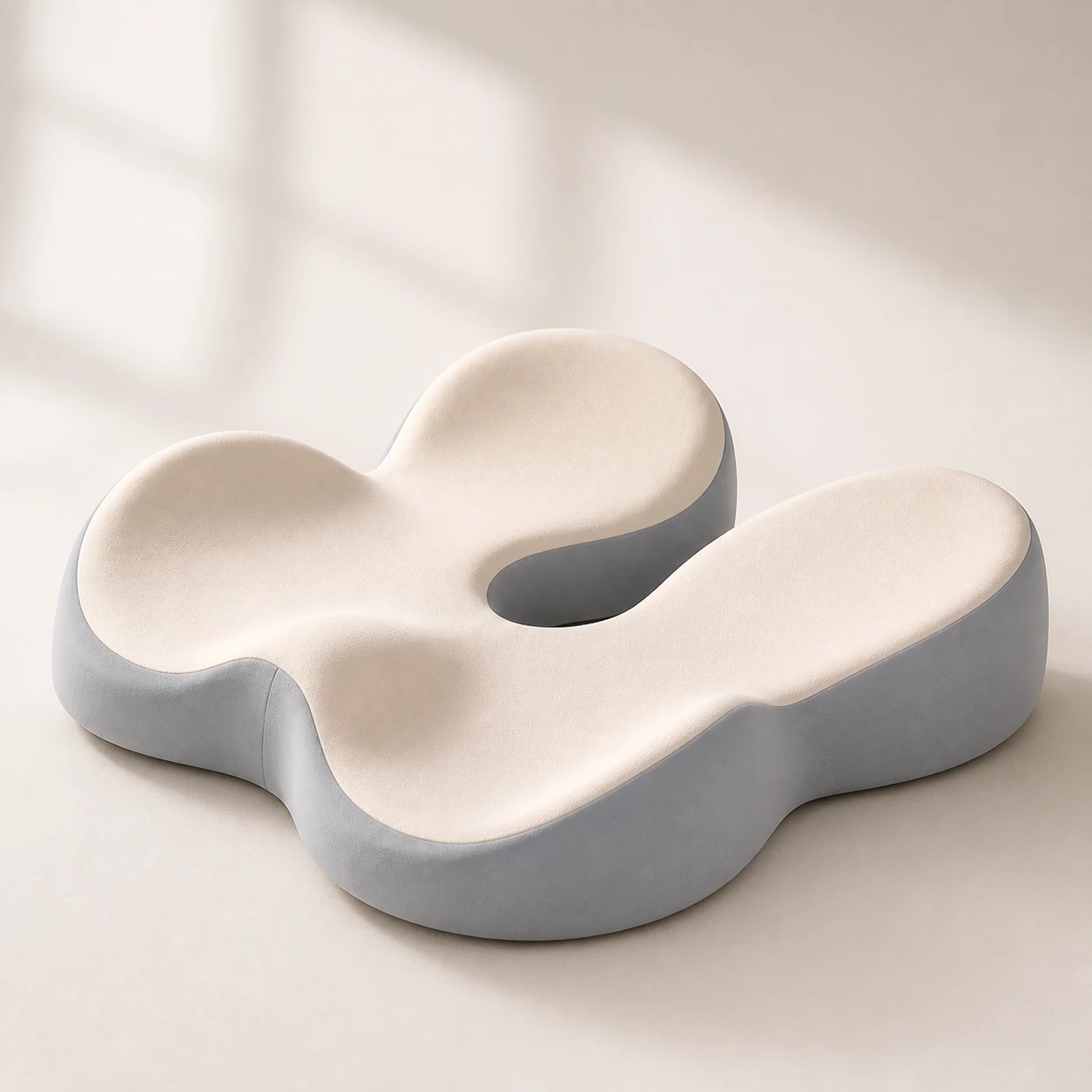 Producto mencionado en esta guíaCojín de asiento viscoelásticoEnvío gratis en EE. UU. en cada pedidoPrueba en casa de 60 días · pagamos el envío de devoluciónVer el precio actual
Con esos criterios en mente, el cojín que fabricamos y recomendamos es el cojín de asiento de viscoelástica ERGOLA: una forma anatómica de espuma densa que distribuye el peso al sentarse para reducir la presión sobre la zona baja del cuerpo, con base antideslizante. Puedes compararlo con el resto de nuestra colección de cojines de asiento para encontrar el que mejor se adapta a tu silla.
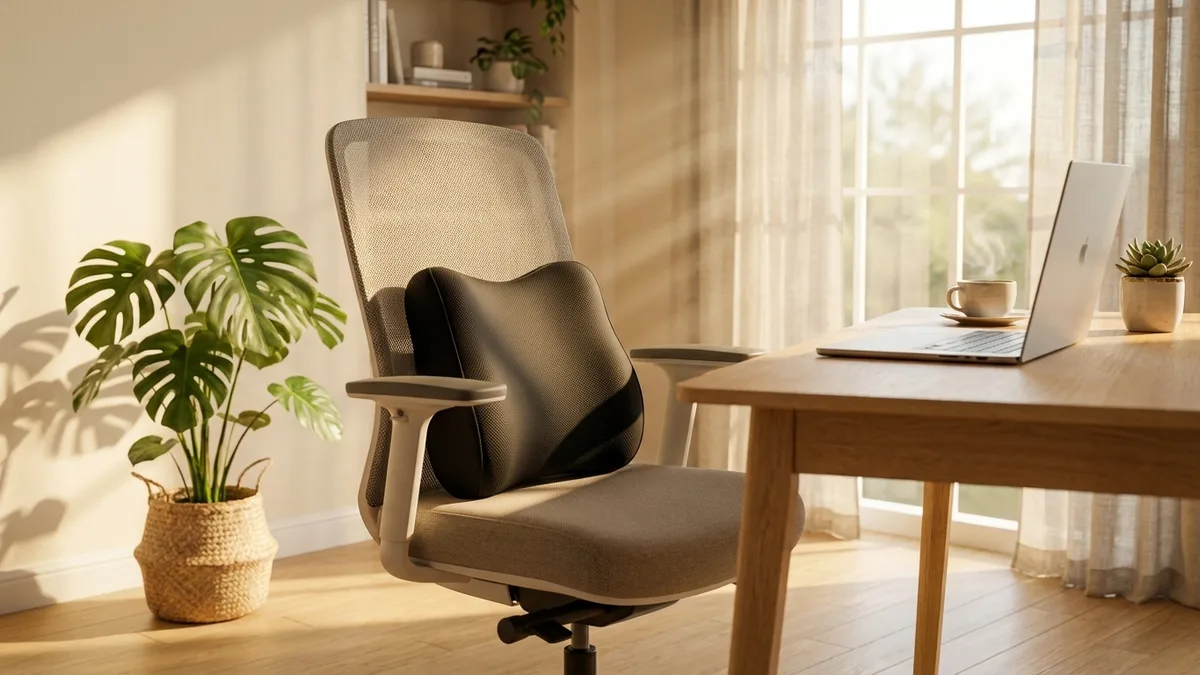
Para quién no es adecuado, o quién necesita algo más que un cojín. Si tu ciática es intensa, reciente o está empeorando, un cojín no es el primer paso, y conviene que te valore un profesional antes de gastar en accesorios. Si tu silla ya es cómoda y el dolor solo aparece ocasionalmente en asientos muy duros o planos, puede que el cojín sea más de lo que necesitas. Y un cojín trata la presión, no el nervio; si tu principal problema es una postura encorvada, un cojín lumbar que sostenga tu curva puede ayudarte más, y la mayoría de las personas se benefician de ambos junto con el movimiento, más que de un solo producto.
Cuándo acudir a un profesional
La mayoría de los casos de ciática mejoran en pocas semanas con movimiento suave y cuidados en casa, pero hay síntomas que requieren valoración médica urgente, no un cojín. Consulta a tu médico o fisioterapeuta si la ciática no mejora tras unas semanas, sigue reapareciendo o empeora de forma progresiva. Busca atención médica urgente, sin demora, si tienes entumecimiento u hormigueo alrededor del glúteo, los genitales o la cara interna de los muslos (la zona en silla de montar), pérdida de control de la vejiga o el intestino, debilidad o entumecimiento progresivos en una o ambas piernas, ciática en ambos lados a la vez, síntomas tras una caída importante o un accidente, o si el dolor va acompañado de fiebre o pérdida de peso inexplicada. Estas son señales de alarma que necesitan atención rápida. Un cojín de asiento es una ayuda ergonómica; no diagnostica ni trata la causa del dolor nervioso.
Conclusión
Sentarse con ciática consiste en irritar el nervio lo menos posible: pelvis nivelada, curva lumbar apoyada, peso repartido en ambos lados, pies planos y pausas frecuentes para moverte, porque la actividad suave es lo que realmente ayuda a que el nervio se recupere. Ninguna postura ni ningún producto es una cura, y los síntomas graves o en empeoramiento corresponden a un profesional sanitario, no a un cojín. Dentro de ese marco honesto, si un asiento duro o plano es parte de lo que hace más difícil tu día, el cojín de asiento de viscoelástica ERGOLA puede reducir parte de esa presión directa mientras el problema subyacente se resuelve, junto con el movimiento suave que hace el trabajo de verdad.