Skip to content

Free US shipping on every order

Reviews on Trustpilot

Comparison Guides

Lumbar Support Pillow vs Seat Cushion

Greta ŠimkutėGreta ŠimkutėErgonomics specialist

Compare where a lumbar pillow and seat cushion make contact, how each changes chair fit, and when to consider one or both.

Editorial photograph illustrating Lumbar Support Pillow vs Seat Cushion

Shop the gear in this guide

The exact products this guide recommends — each covered by the 60-Day Home Trial.

Key takeaways

A lumbar pillow fills a gap at the lower back, but can reduce usable seat depth.
A seat cushion changes the sitting surface and raises your sitting height.
Using both is possible only if each still fits your chair and body.
Editorial photograph illustrating Primary support targets

Primary support targets

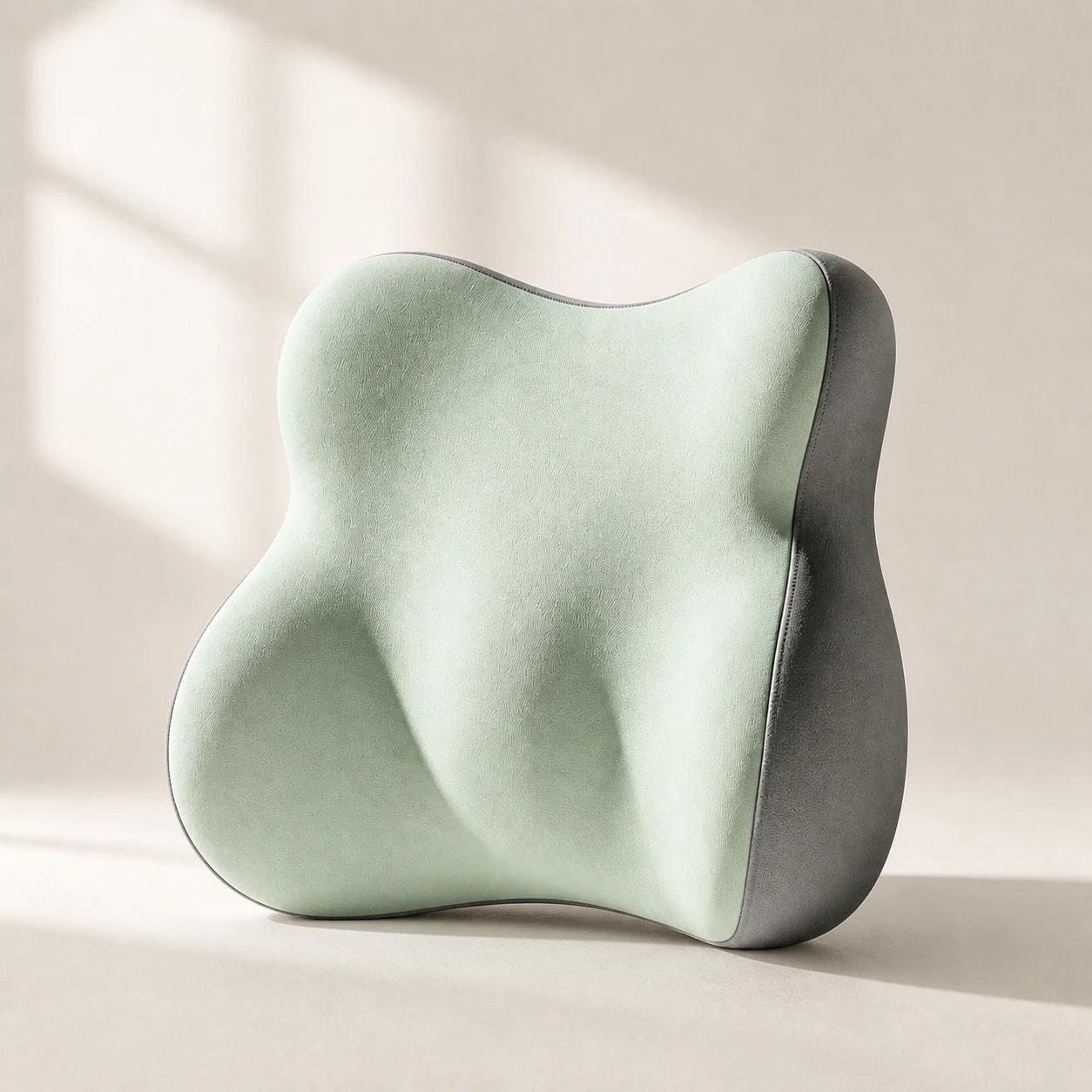
A lumbar pillow sits between your lower back and the backrest. Its job is to fill a gap where the chair's own contour does not meet you comfortably. A thick pillow can also move you forward, so seat depth matters.

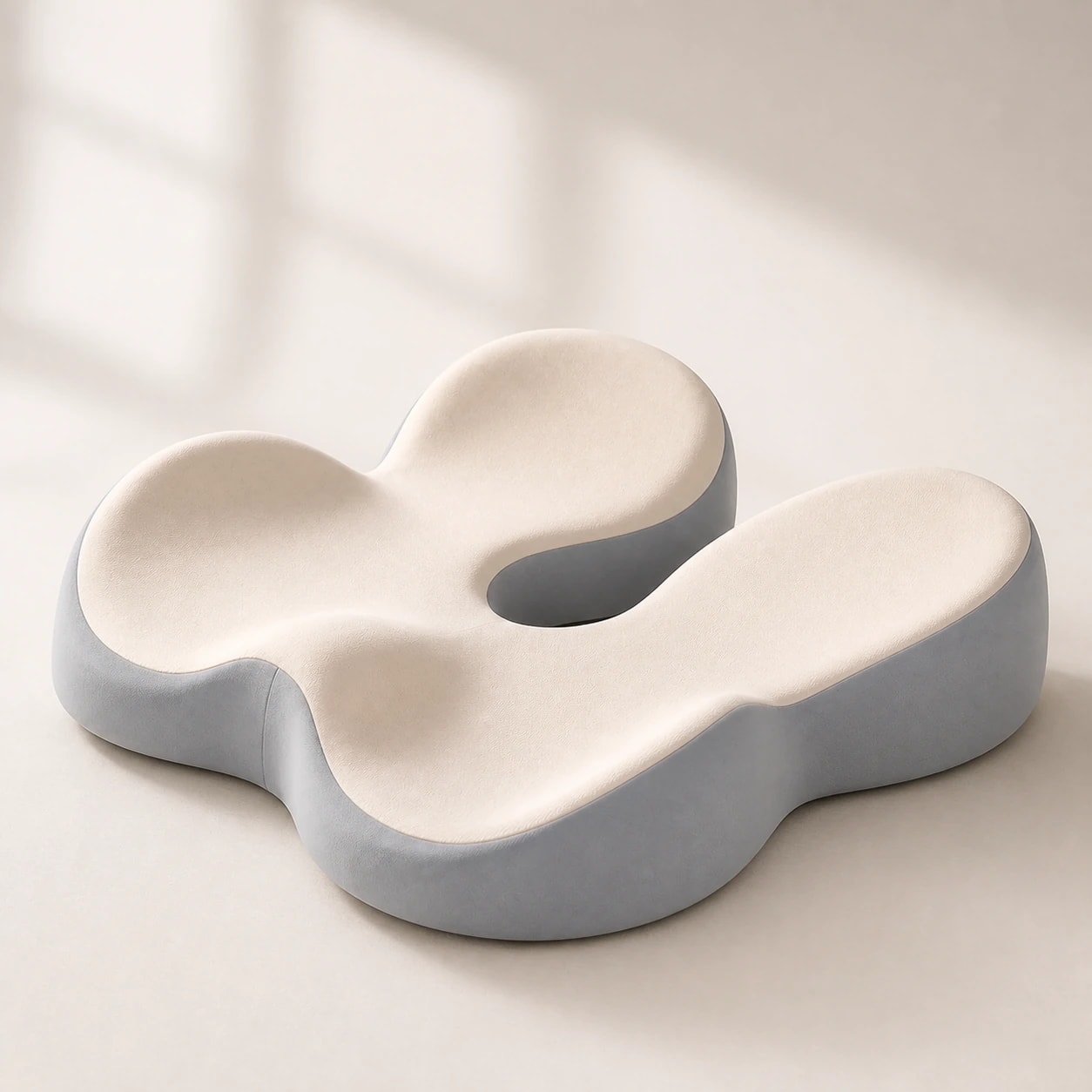
A seat cushion rests on the seat pan and changes the surface under you. Depending on its shape, it can add contour or leave an opening near the tailbone area. It also raises your sitting height, which can affect foot and desk position.

  • Lumbar pillow: assess lower-back contact and remaining seat depth.
  • Seat cushion: assess the sitting surface, added height and full-seat support.
  • Neither accessory diagnoses or treats pain; individual chair fit comes first.
Editorial photograph illustrating Failure pattern diagnosis

Failure pattern diagnosis

Notice where the chair does not make comfortable contact. A gap at the lower back is a reason to inspect backrest adjustment and lumbar support. A hard or poorly shaped sitting surface is a reason to compare seat cushions. The location or timing of pain alone cannot diagnose its cause.

Before buying, adjust the chair and try it without the add-on. Then compare the accessory's documented shape and dimensions with your usable chair space.

  • Lower-back gap: inspect backrest adjustment, then compare lumbar shapes.
  • Uncomfortable seat surface: compare cushion shapes and added height.
  • Persistent pain, numbness or weakness: seek professional advice rather than choosing by symptom alone.
Editorial photograph illustrating Combined setup benefits

Combined setup benefits

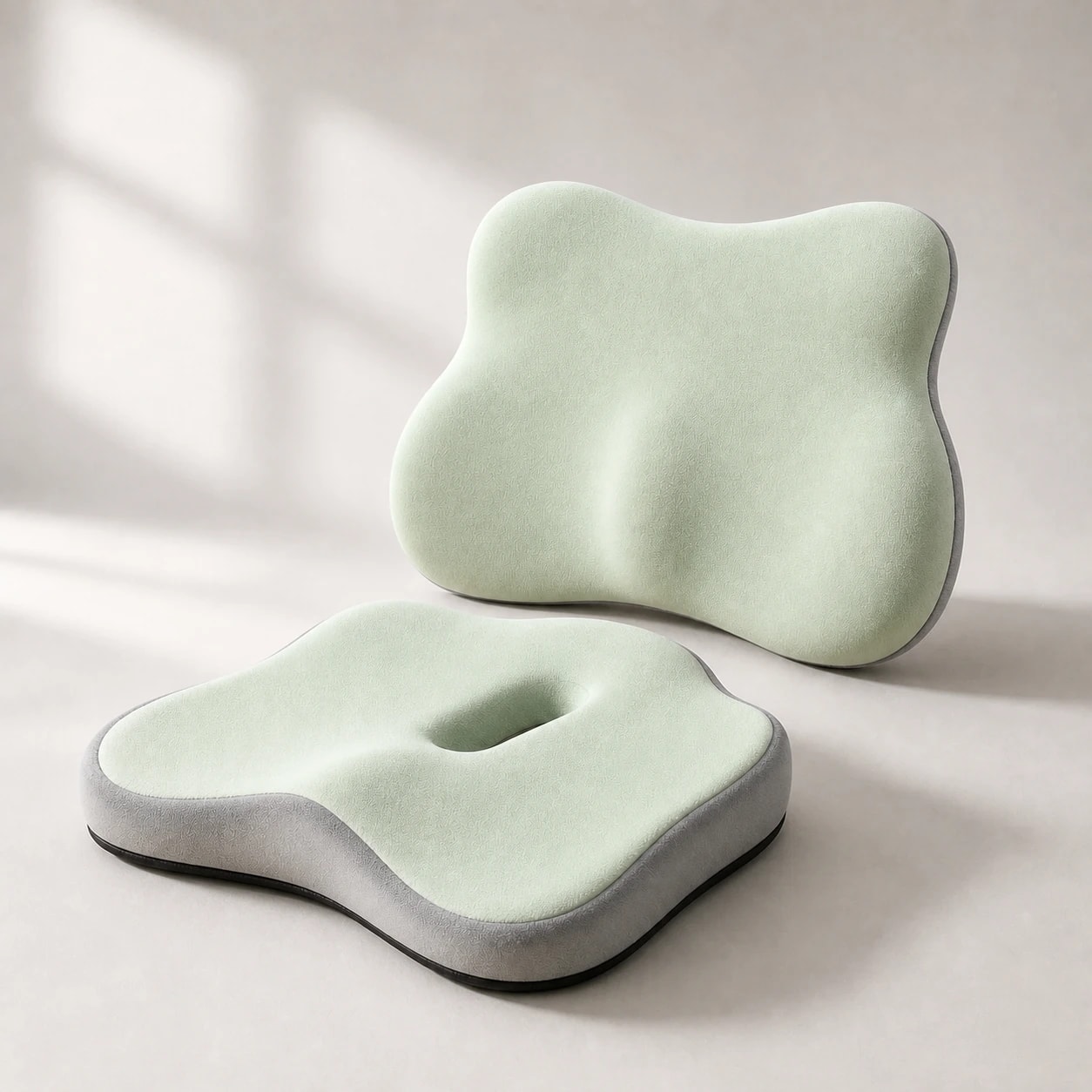
Using both can address two different contact areas, but it is not automatically better. Check whether the lumbar pillow still lets you sit back and whether the cushion rests fully on the seat without shifting.

After adding a seat cushion, check that your feet remain supported and your desk and armrests still feel comfortable. The actual height change depends on the specific cushion and how it compresses; do not assume a universal number.

  • Check the backrest and seat as separate fit questions.
  • Reassess chair height after adding a seat cushion.
  • Check that your feet still reach the floor or a footrest.
  • Remove an accessory if the combined setup makes contact or stability worse.
Editorial photograph illustrating First-purchase decision guide

First-purchase decision guide

If you can buy only one, start with the chair area you can clearly identify as a poor fit. For a lower-back gap, inspect LumaWing and its fixed 39 × 34 × 14 cm shape. For an uncomfortable sitting surface or rear tailbone contact, inspect the Memory Foam Seat Cushion's open rear U-channel and owner-supplied 38 × 40 × 8 cm overall dimensions; its exact material and care are not confirmed.

Try one change at a time so you can tell whether it improves your own chair fit. The placement and office-seat guides below help you check each option before buying.

  • Backrest gap: compare a lumbar pillow only after adjusting the chair.
  • Seat-surface issue: compare cushion geometry and available dimensions.
  • Using both: recheck full-seat support, feet, desk reach and backrest contact.

Frequently asked questions

Which one should I buy first?

Start with the part of your chair that does not fit: lower-back contact or the sitting surface. Check the accessory's documented shape and your chair dimensions before buying.

Can combining both be too much?

Yes. A lumbar pillow may shorten usable seat depth, while a seat cushion raises your sitting position. Use both only if backrest contact, feet, desk reach and stability remain comfortable.

How long should testing take?

There is no evidence-based minimum number of days for these specific products. Try one change at a time during your normal routine and stop if the fit is uncomfortable.

Do I need different products for home and office?

Not necessarily. Check the fit and stability on each chair; a cushion that suits one backrest or seat pan may not suit another.

Will a seat cushion fix my back pain?

No cushion can diagnose or treat the cause of back pain. A seat cushion changes the sitting surface; a lumbar pillow changes lower-back contact. Ask a qualified clinician about persistent or concerning symptoms.

Greta Šimkutė

Written by

Greta Šimkutė

Ergonomics & workspace-setup specialist · writing for Ergola since 2024

Greta Šimkutė is an ergonomics specialist who writes Ergola's posture and workspace guides. She focuses on the practical side of sitting-related back, neck, and hip strain - how desk height, lumbar support, and chair fit actually change all-day comfort - and tests products against the criteria that matter, not spec sheets. She has covered ergonomic furniture and desk setups since 2024.