
30-day money back guarantee | Spring sale — 40% off + free shipping

Palyginimu gidai

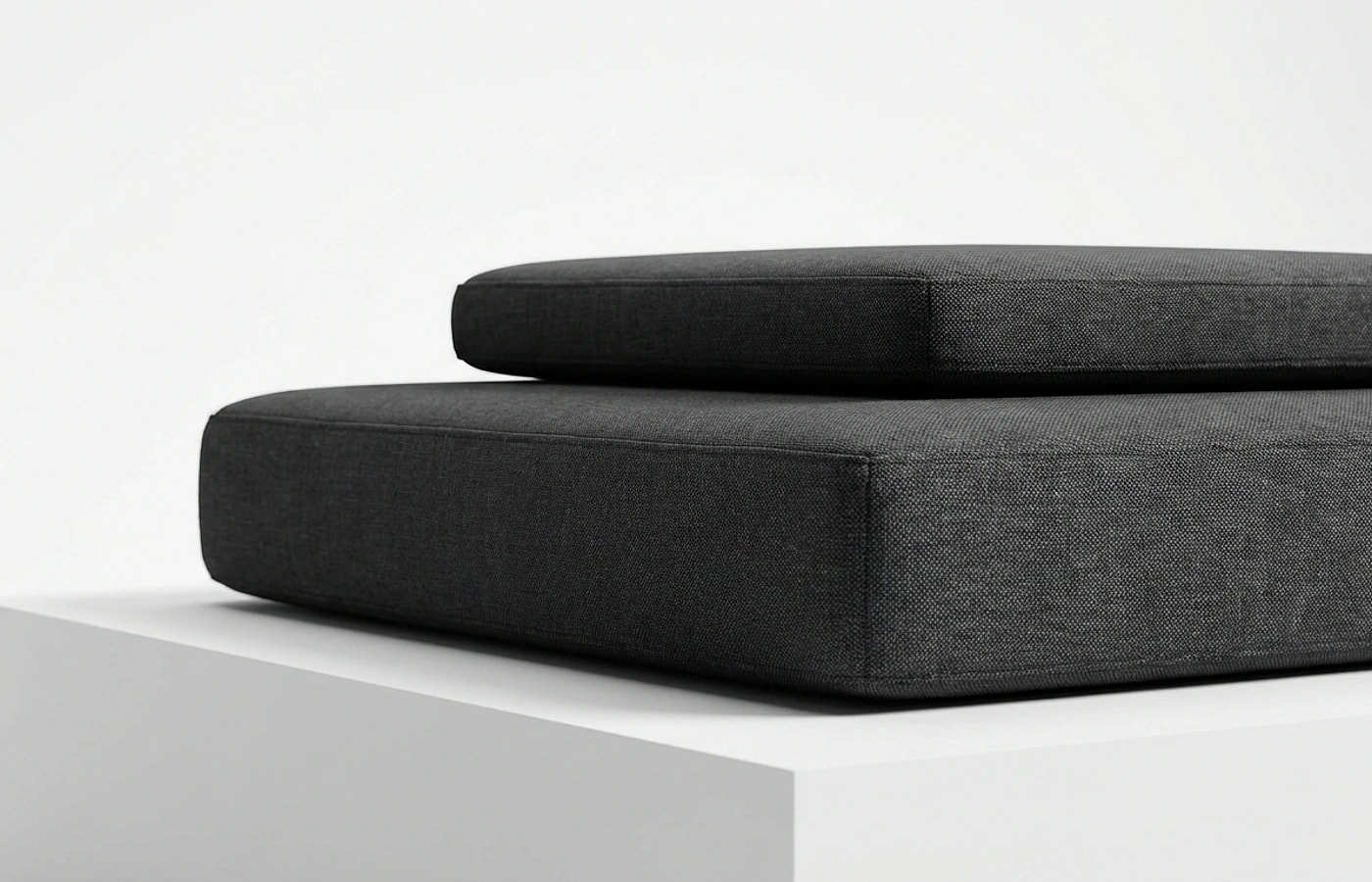
Thick vs Thin Seat Cushion for Office Chair

Choose the right seat cushion thickness for office chairs. Prevent posture side-effects from incorrect height changes.

Thick vs Thin Seat Cushion for Office Chair

Pagrindiniai patarimai

Thickness changes desk and arm alignment.
Thin options preserve original geometry better.
Thicker options can improve pressure relief with proper height correction.
Geometry impact on workstation

Geometry impact on workstation

Adding a seat cushion raises your seated height, which changes the relationship between your body and every other element of your workstation. A thick cushion (8-10 cm) can raise you enough that your elbows angle downward toward the keyboard and your feet no longer rest flat on the floor.

A thin cushion (3-5 cm) creates a smaller shift that most adjustable chairs can compensate for with a simple seat height reduction. This makes thin cushions more forgiving in workstations where desk height is fixed.

  • Every 2.5 cm of cushion height changes your elbow angle by roughly 5 degrees.
  • Fixed-height desks pair better with thin cushions to avoid alignment issues.
  • Adjustable desks and chairs accommodate either thickness comfortably.
  • Check that your thighs slope slightly downward from hip to knee after adding the cushion.
Pressure relief comparison

Pressure relief comparison

Thicker cushions provide more material between your sit bones and the chair surface, which generally means better pressure distribution. Users who experience numbness or tailbone pain after two to three hours often see improvement with a thicker profile.

Thin cushions offer a noticeable comfort improvement over a bare chair surface but may not eliminate deep pressure issues for heavier users or those on very hard seats. They work best as a comfort upgrade rather than a medical-grade pressure solution.

  • Thick cushions: stronger pressure relief, better for hard or flat chair seats.
  • Thin cushions: moderate improvement, ideal for already-padded chairs.
  • Users over 90 kg generally benefit more from thicker profiles.
Professional office setup with ergonomic chair

When thin wins vs when thick wins

Thin cushions win when your chair already has decent padding and you want a comfort boost without disrupting your setup. They also win in shared workspaces where constant height adjustments between users are impractical.

Thick cushions win when pressure relief is the primary goal and your workstation is fully adjustable. They are also the better choice for chairs with minimal built-in padding, like wooden or plastic seats.

  • Thin wins: padded chairs, fixed desks, shared workstations, travel use.
  • Thick wins: hard chairs, adjustable desks, severe pressure issues, long sessions.
  • For car use, thin is usually safer since headroom is limited.
Home office desk and supportive work chair

Quick measurement guide

Before buying, measure the gap between your current seated elbow height and your desk surface. If the gap is already tight (under 2 cm), a thick cushion will push your elbows above desk level and cause shoulder strain.

Also measure your chair seat to floor distance with the chair at its lowest setting. If lowering the chair by the cushion thickness is not possible, go with the thinner option to stay within your adjustment range.

  • Measure elbow-to-desk gap while seated: under 2 cm means choose thin.
  • Check if your chair lowers enough to compensate for cushion height.
  • Sit on a folded towel of similar thickness to simulate the cushion before buying.
  • If in doubt between two sizes, start thin — you can always upgrade later.

Dazniausiai uzduodami klausimai

Is thicker always more comfortable?

No. Too much height can push your elbows above the desk and lift your feet off the floor, creating new posture problems that offset the pressure relief.

How do I test thickness quickly?

Fold a towel to the target thickness and sit on it for a full work session. Check elbow angle, foot support, and end-of-day comfort.

Can I switch between thick and thin by task?

Yes, if your chair height is easy to adjust. Some users keep a thin cushion for short tasks and a thick one for long focus sessions.

What thickness works best for car seats?

Thin cushions (3-5 cm) work best in cars because headroom is limited and thick cushions can change your pedal reach.

Does cushion thickness affect durability?

Thicker cushions compress proportionally the same as thin ones. A thick cushion does not last longer — material quality and density determine lifespan.

Susije gidai

Naršykite šiuos gidus, kad sužinotumėte daugiau ir rastumėte tinkamą sprendimą.