Adjustability and fit range
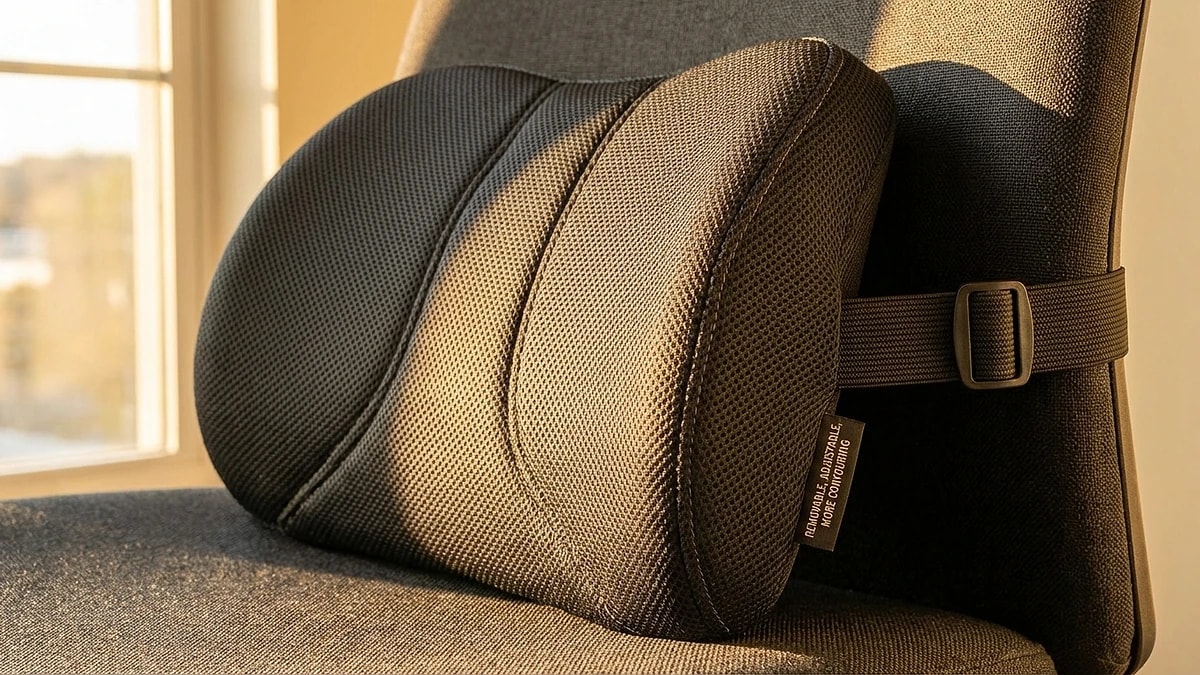
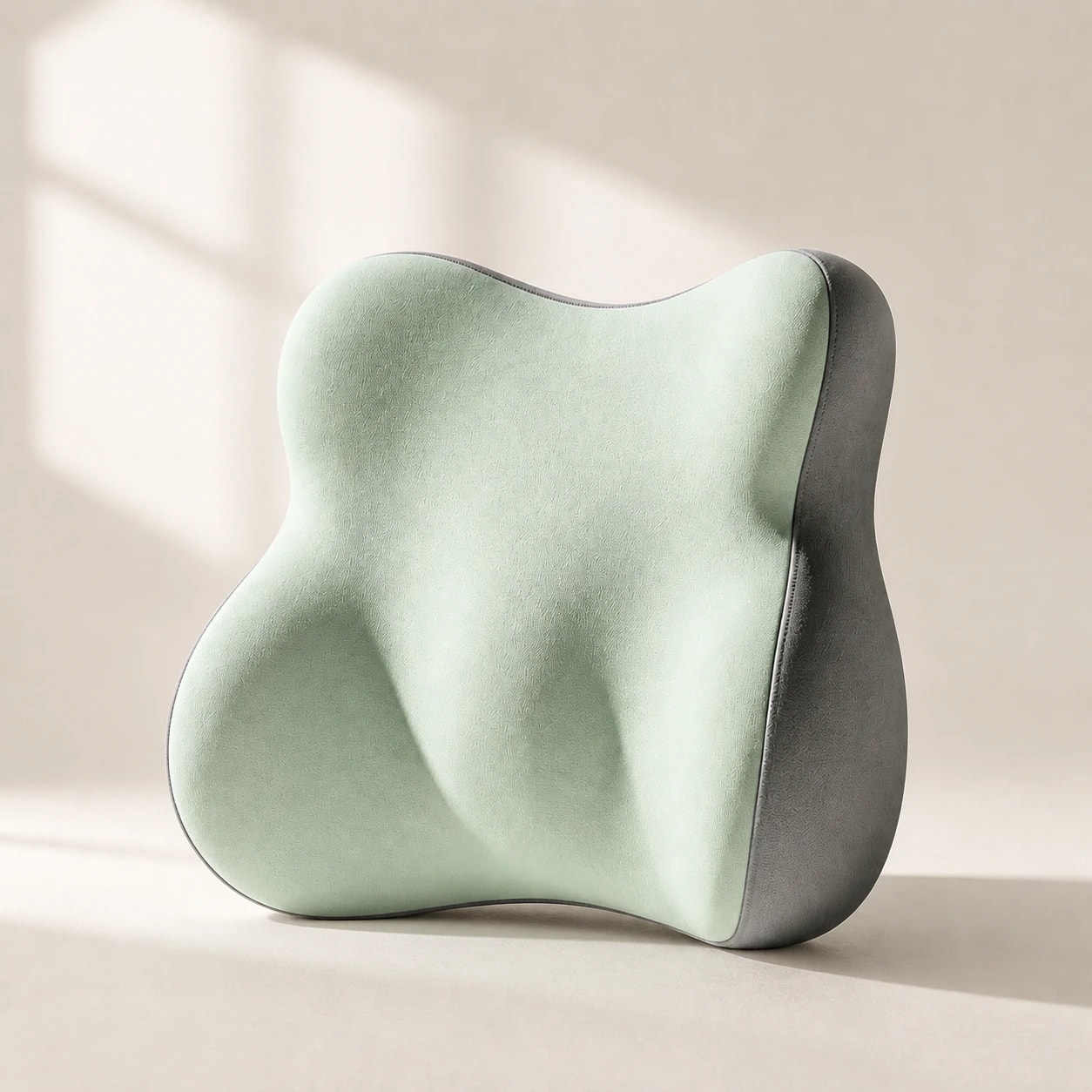
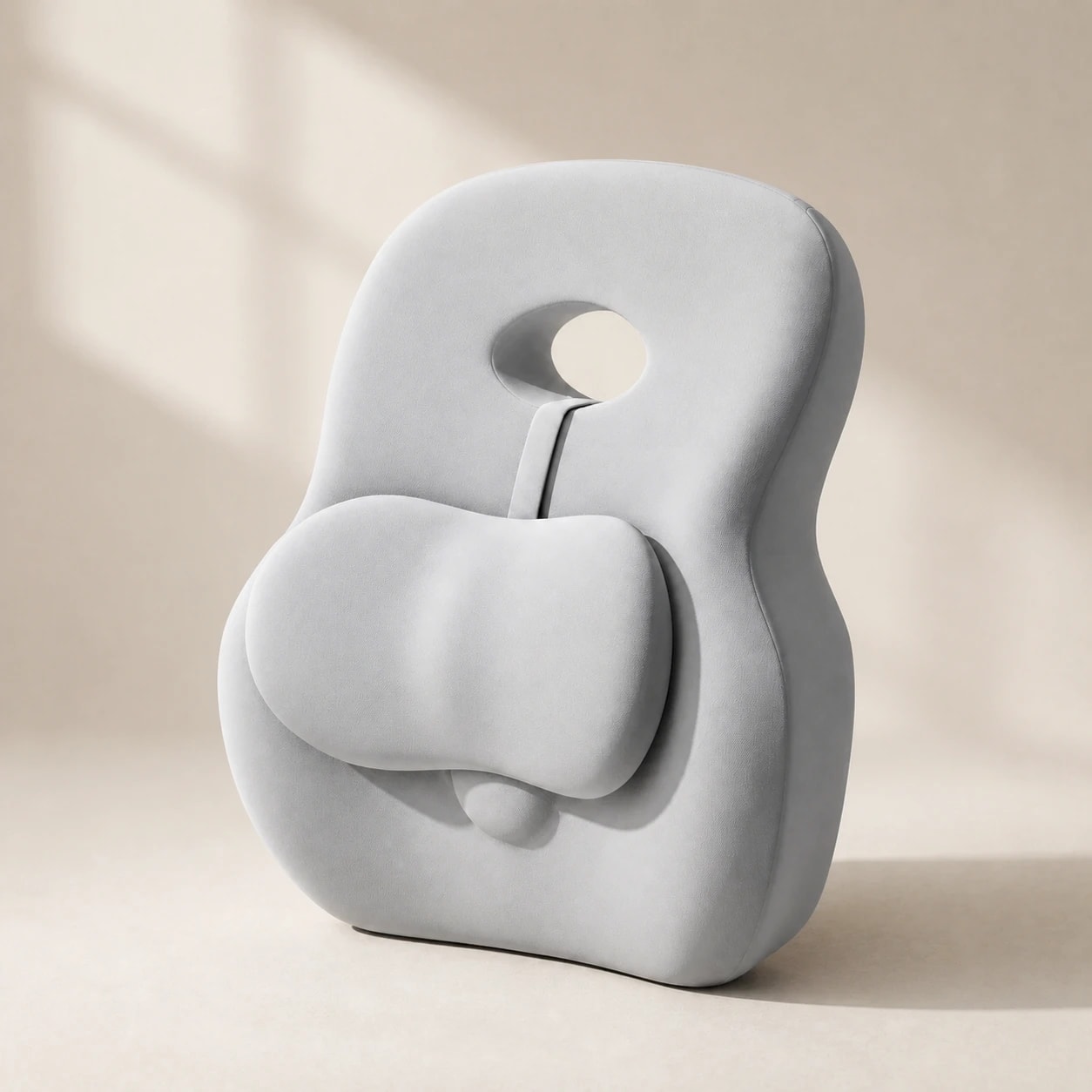
Some external lumbar supports can be moved up or down; others have a fixed attachment or depend on the chair back to hold position. Check the adjustment method on the individual product page rather than assuming every pillow has a strap.
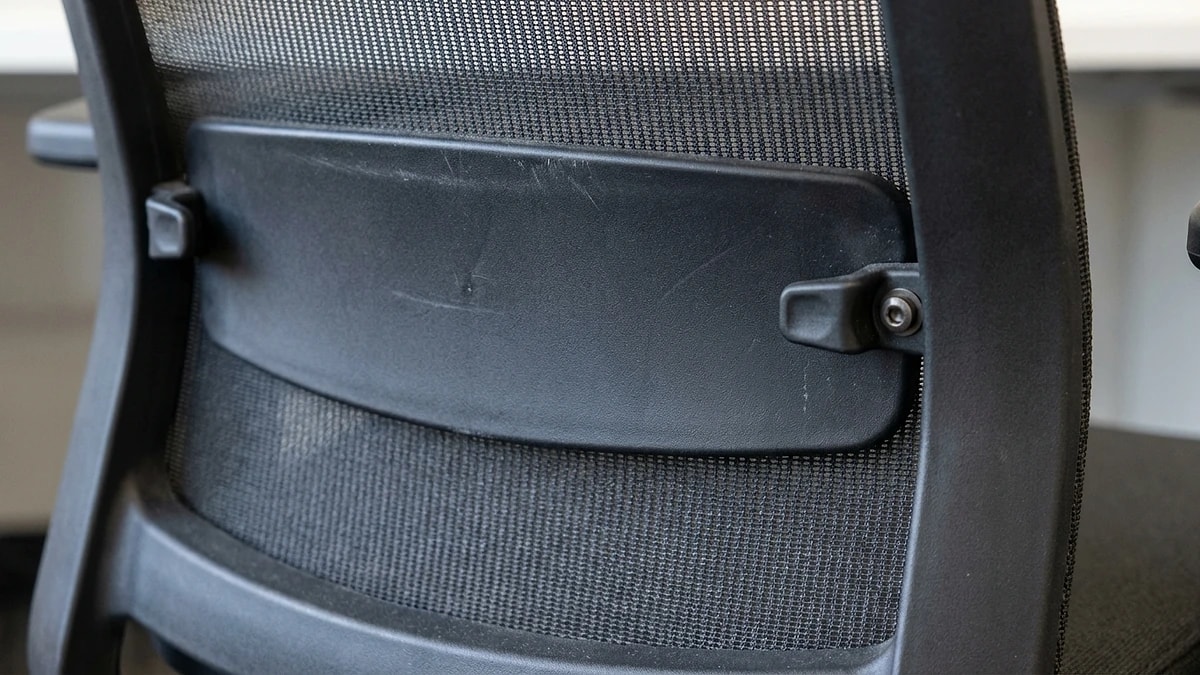
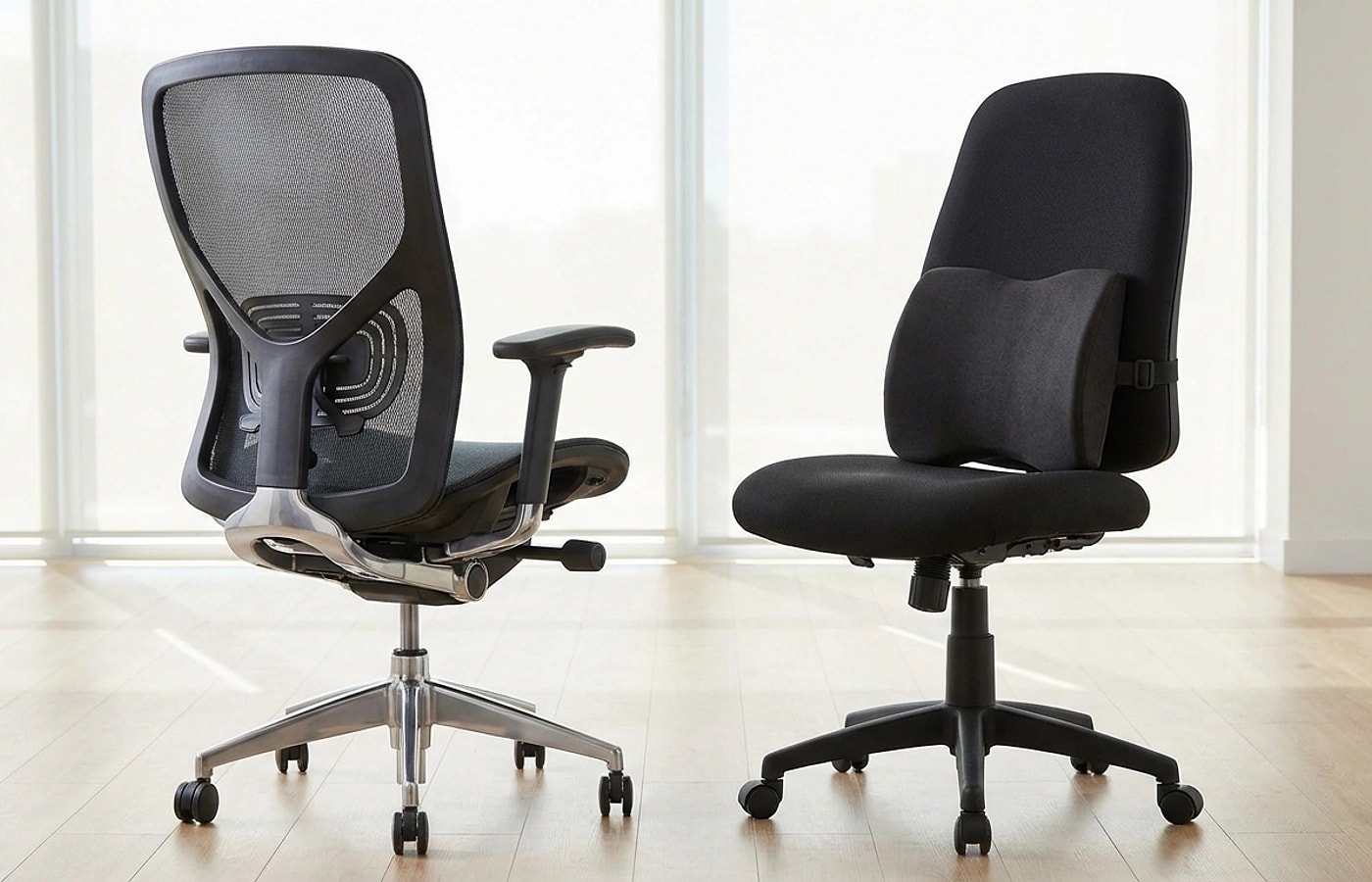
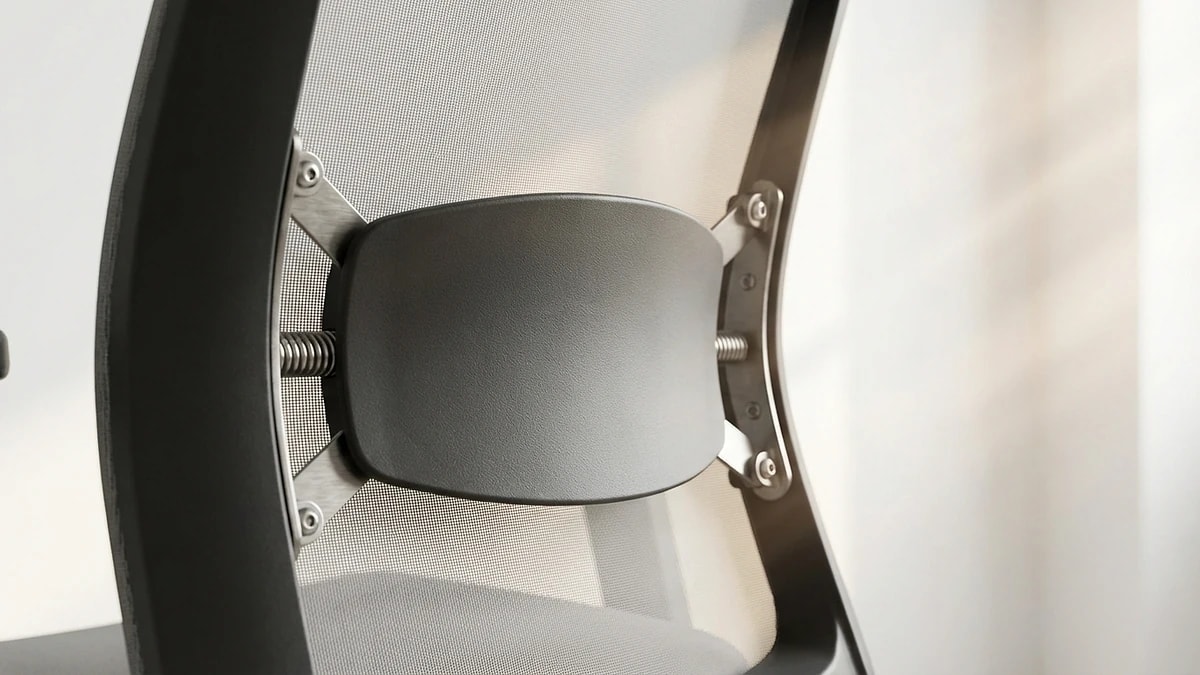
Built-in lumbar mechanisms also vary: some adjust vertically or in depth, while others are fixed. Test the chair's own support first and compare where it contacts your lower back.
- Check each external support's published attachment and position options.
- Compare the actual adjustment range of your chair's built-in support.
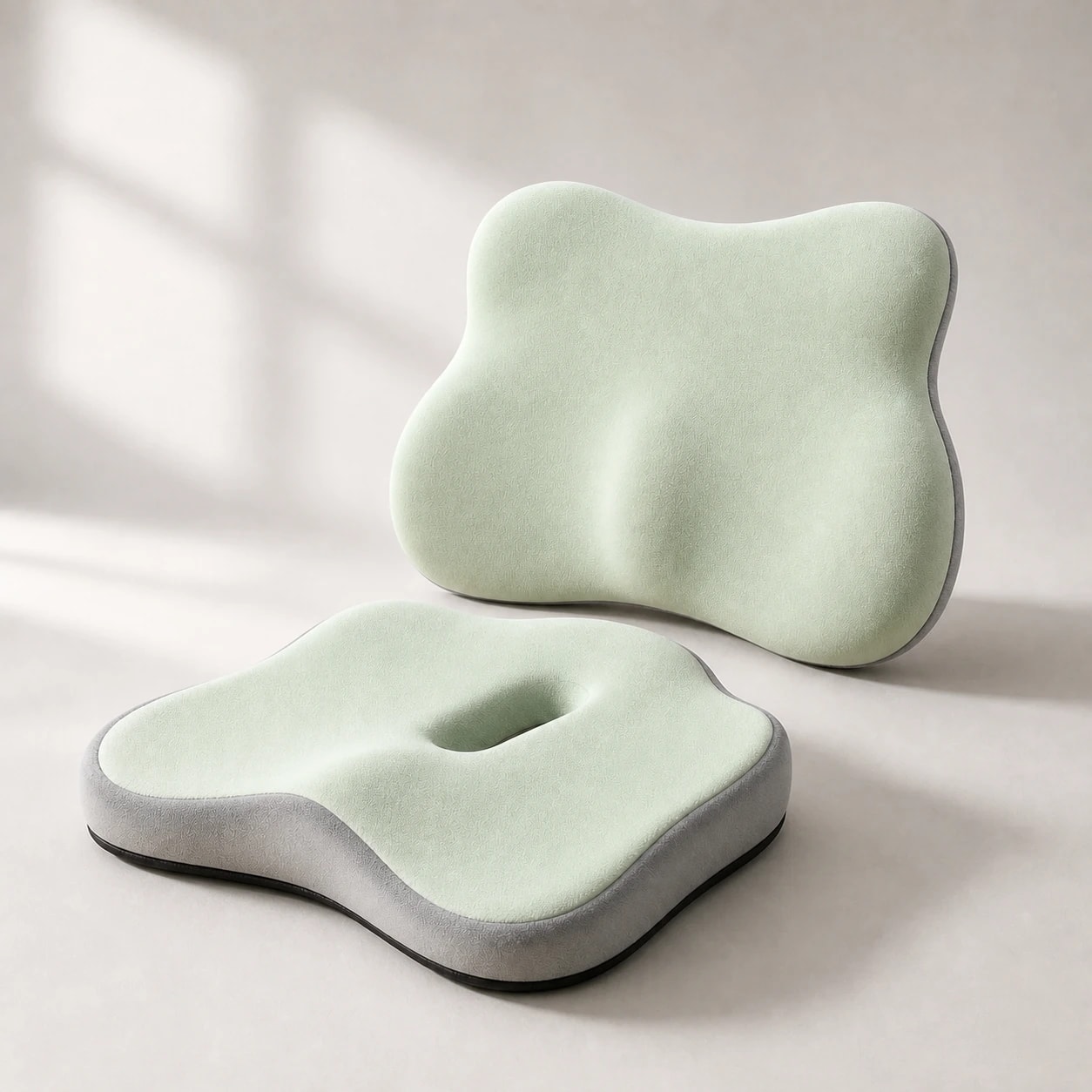
- Compare support depth with the usable seat depth left for you.
- A transferable support still needs a separate fit check on each chair.