
Seat-fit decision process
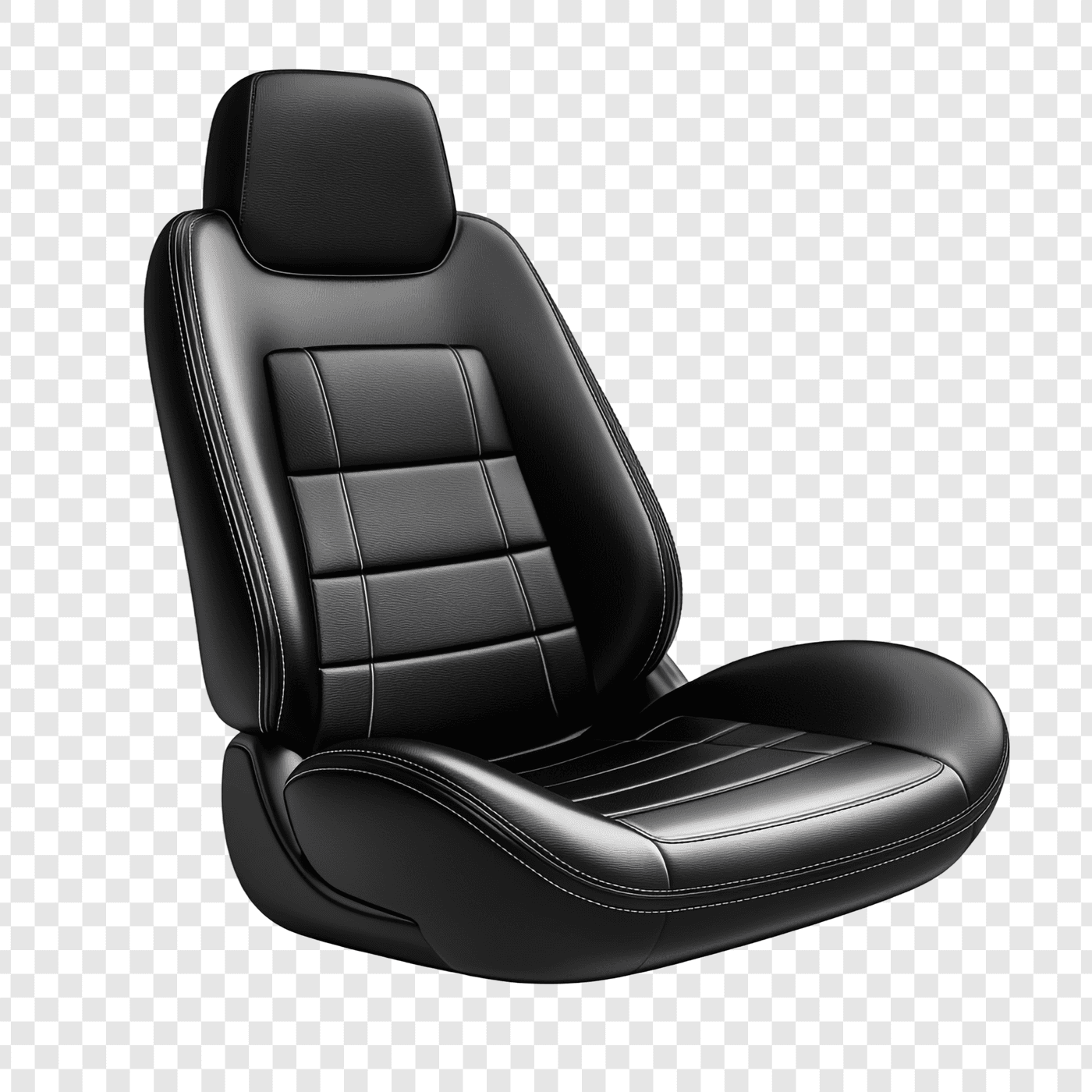
Car seat compatibility is the single biggest factor in lumbar pillow satisfaction. Deep-bucket seats found in sports cars and performance vehicles have aggressive side bolsters that leave very little space between your lower back and the seat surface. In these vehicles, a slim-profile support (under 3 inches deep) with a narrow footprint works significantly better than full-contour pillows that compete for space with the bolsters.
Flatter seatbacks in sedans, SUVs, and trucks can accommodate larger contour pillows because there is more clearance between your spine and the seat. The deciding factor becomes strap stability — larger pillows have more weight and surface area to shift during driving, so they need stronger attachment systems. Test by pressing firmly against the pillow while turning the steering wheel through its full range to verify it stays anchored.
- Bucket seats: slim profile under 3 inches, narrow footprint
- Flat seats: full contour okay if strap system is secure
- Test stability during full steering wheel rotation
- Check that pillow edges do not interfere with seat bolsters