
30-day money back guarantee | Spring sale — 40% off + free shipping

Sprendimai

Lumbar Support Cushion for Car

Best lumbar support cushions for car driving comfort. Compare memory foam, profile depth, and strap security for long sessions.

Lumbar Support Cushion for Car

Pagrindiniai patarimai

Focus on stability and contour retention during vibration.
Select cushion size by torso length and seatback curve.
Use adaptable straps for repositioning across multiple vehicles.
Cushion material trade-offs

Cushion material trade-offs

Memory foam density is the primary predictor of long-term performance in car lumbar cushions. Foam rated at 3.5 to 4.5 pounds per cubic foot maintains its contour through months of daily driving and road vibration, while lower-density options (under 3 lbs/ft³) often feel comfortable initially but compress permanently within weeks. The higher upfront cost of dense foam pays off in durability — expect roughly double the functional lifespan compared to budget foam options.

Gel-infused memory foam addresses the heat retention problem that standard foam creates in enclosed vehicle cabins. During summer months, a standard memory foam cushion can become uncomfortably warm within 30 minutes of driving. Gel infusion distributes heat more evenly across the surface, reducing hot spots by approximately 20 to 30 percent. For drivers in warm climates or those without strong vehicle air conditioning, this material upgrade significantly improves daily comfort.

  • High-density foam (3.5-4.5 lb/ft³) for best long-term performance
  • Low-density foam (under 3 lb/ft³) compresses permanently within weeks
  • Gel-infused foam reduces heat buildup by 20-30% in enclosed cabins
  • Consider climate when choosing between standard and gel-infused foam
Multi-vehicle use and portability

Multi-vehicle use and portability

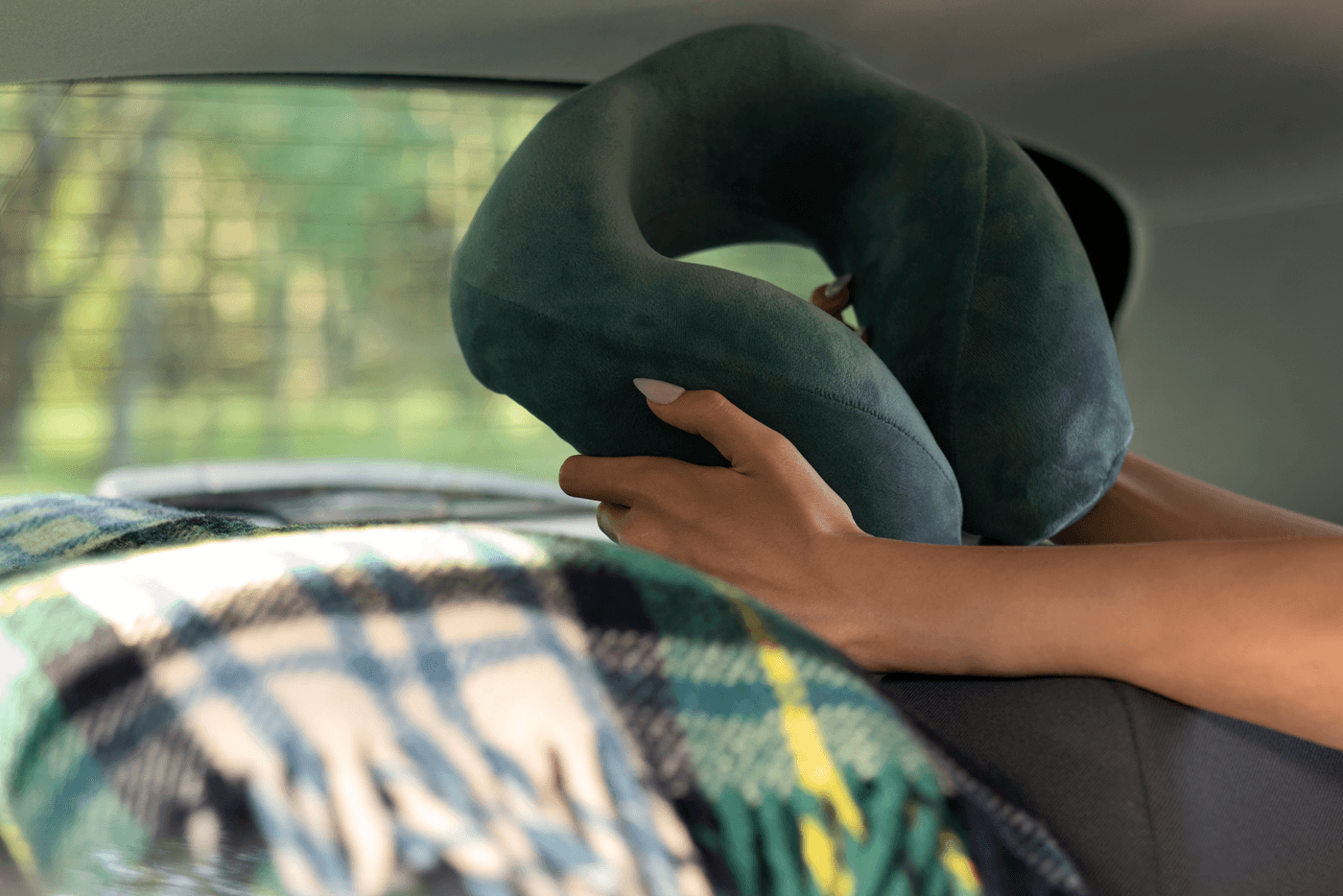
Many drivers use the same lumbar cushion across multiple vehicles — a personal car for commuting, a family vehicle for weekends, or a rental car during travel. Quick strap adjustment is the most important feature for multi-vehicle use, outweighing premium cover materials or advanced foam technology. A cushion that takes 30 seconds to install encourages consistent daily use, while a complicated setup leads to the cushion sitting unused in the trunk.

Mark your optimal strap position with a small piece of tape or a pen mark on the strap itself for each vehicle you use regularly. This eliminates the guesswork of refitting each time you switch cars and ensures the lumbar contact point stays consistent across different seat configurations.

  • Quick-adjust straps are the most important multi-vehicle feature
  • Mark optimal strap positions for each vehicle you drive regularly
  • Installation under 30 seconds encourages consistent daily use
  • Carry bag or compact profile helps with vehicle-to-vehicle transfers
Contour profiles for different driving styles

Contour profiles for different driving styles

Upright drivers who sit close to the steering wheel benefit from a shallower contour profile (2 to 3 inches) that provides support without pushing them forward into the wheel. Reclined drivers who sit further back can use deeper contour profiles (3 to 4 inches) because there is more space between the lumbar spine and seatback in the reclined position.

Professional drivers who alternate between city driving and highway cruising often change their recline angle throughout the day. For this use pattern, an adjustable-firmness cushion with an inflatable air bladder behind the foam core allows real-time contour adjustment without pulling over to reposition the entire cushion.

  • Upright/close drivers: shallow profile, 2-3 inches deep
  • Reclined/distance drivers: deeper profile, 3-4 inches works well
  • Variable driving styles: adjustable air-bladder cushions offer flexibility
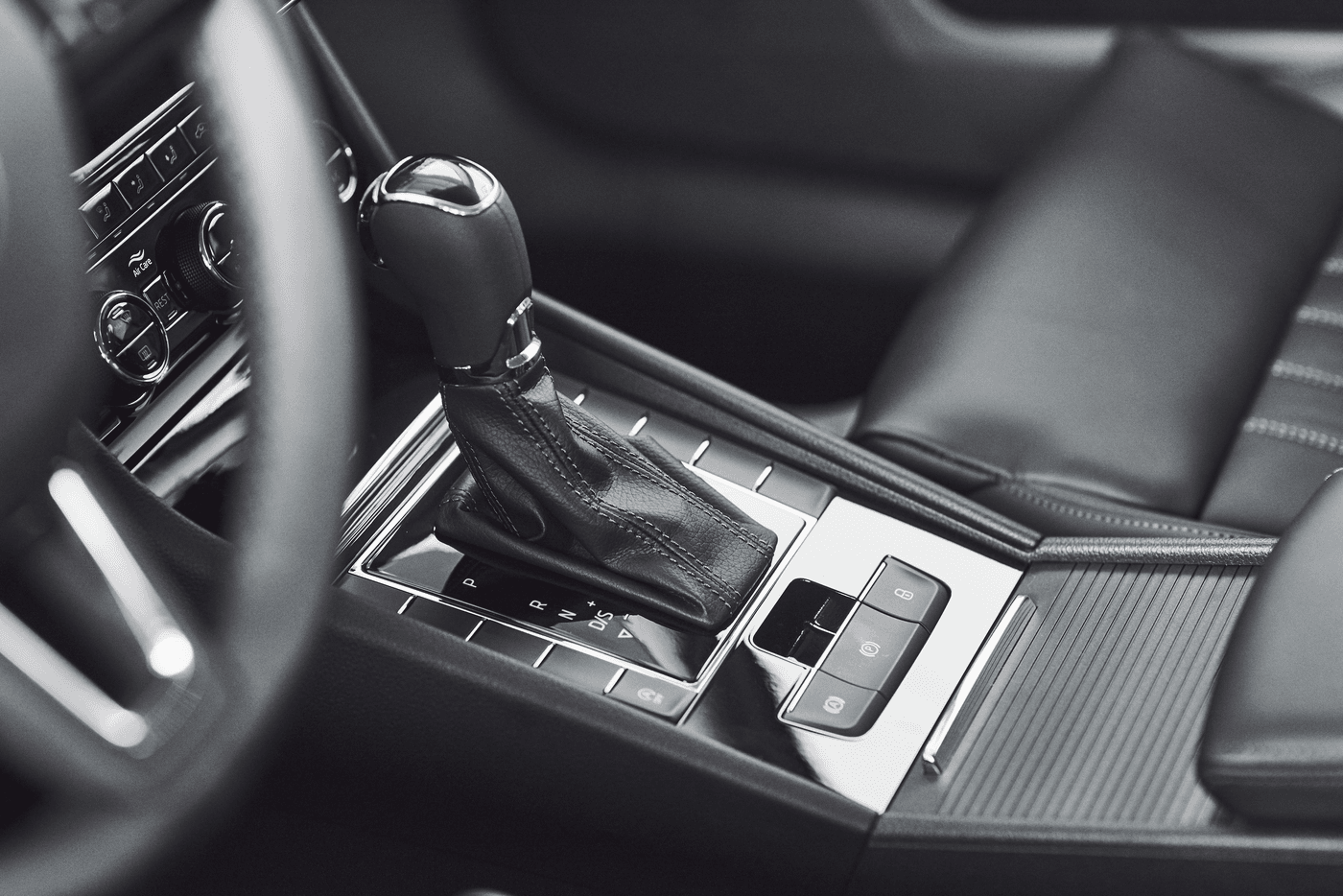
Modern car interior optimized for comfort

Seasonal care and storage

Car lumbar cushions face harsher environmental conditions than office counterparts. Summer heat, winter cold, and humidity fluctuations all affect foam performance and cover durability. During extreme heat, memory foam can soften excessively and lose contouring ability until it cools — if your cushion feels unsupportive on hot days, this temperature sensitivity is the likely cause rather than foam degradation.

In winter, cold memory foam becomes temporarily rigid and takes 10 to 15 minutes of body heat to reach its normal contouring responsiveness. This is normal behavior and does not indicate a product defect. For cold-climate drivers, sitting on the cushion for a few minutes before starting your drive allows the foam to warm and conform properly to your spine.

  • Summer: remove cushion from parked cars to prevent heat damage
  • Winter: allow 10-15 minutes for cold foam to warm and soften
  • Wash cover monthly to prevent moisture-related material degradation
  • Store in a cool, dry place when not in use for extended periods

Dazniausiai uzduodami klausimai

Is memory foam required for car lumbar support?

It is not mandatory, but memory foam provides the best long-session contour stability for driving. Buckwheat hull and inflatable options are alternatives for different preferences.

Can one cushion be used in different cars?

Yes, if strap range and profile depth fit each seatback. Mark your strap positions per vehicle for quick switching.

How often should I adjust placement?

Minor adjustments are common during the first week. Once you find the right position, daily repositioning should be minimal if straps are secure.

What foam density is best for car use?

Foam rated 3.5 to 4.5 pounds per cubic foot handles road vibration and daily compression best. Lower densities compress permanently too quickly.

Does cold weather affect the cushion performance?

Cold memory foam becomes temporarily rigid but softens within 10-15 minutes of body heat contact. This is normal and does not indicate foam degradation.

Susije gidai

Naršykite šiuos gidus, kad sužinotumėte daugiau ir rastumėte tinkamą sprendimą.