
30-day money back guarantee | Spring sale — 40% off + free shipping

Sprendimai

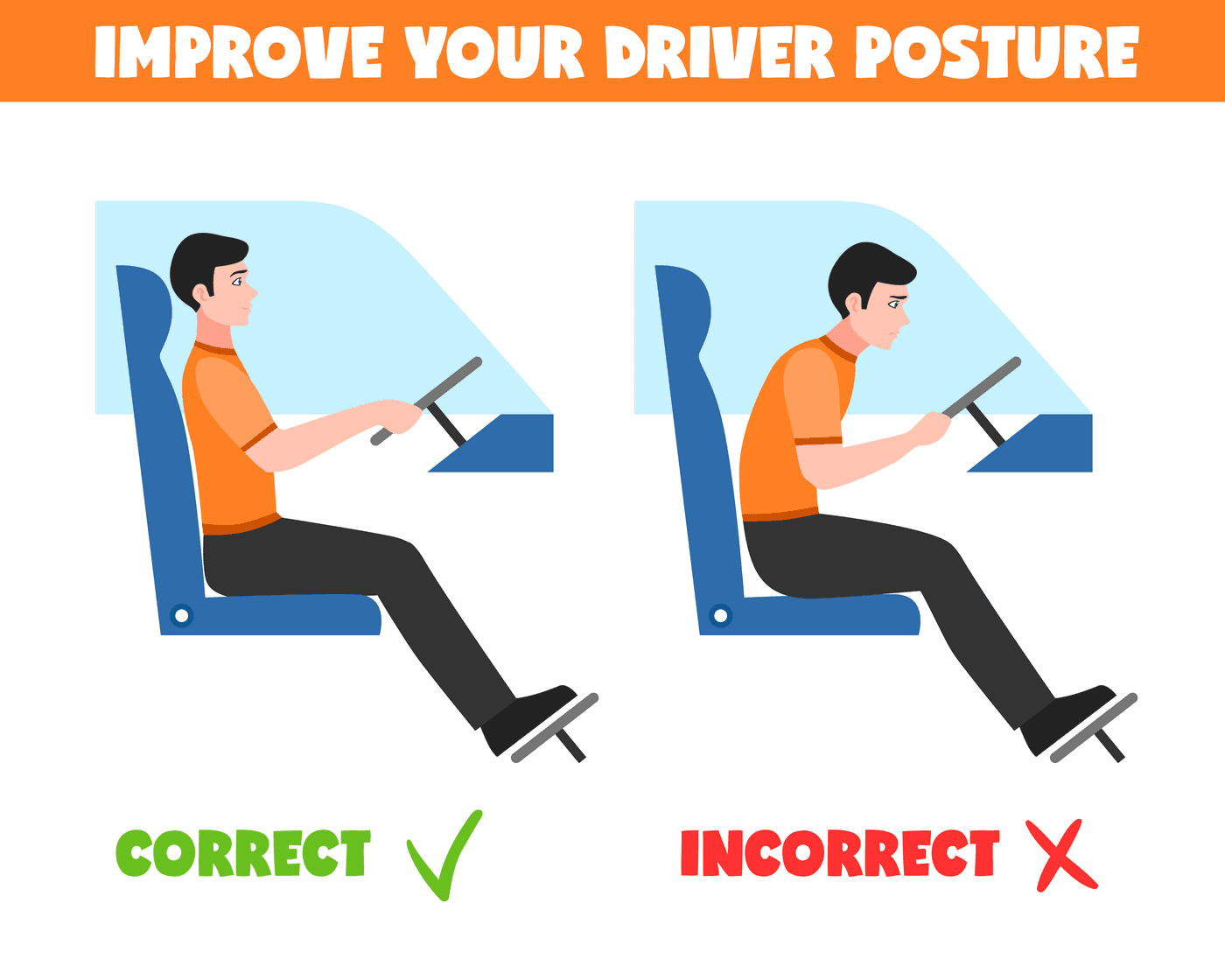
Best Lumbar Support for Car

How to choose the best lumbar support for car driving. Compare fit profiles, material durability, and use-case matching before purchase.

Best Lumbar Support for Car

Pagrindiniai patarimai

Use objective criteria: fit, strap security, and shape retention.
Segment by commute length and seat style.
Offer a simple shortlist with clear trade-offs.
Selection criteria that actually matter

Selection criteria that actually matter

The difference between a good car lumbar support and a great one comes down to three measurable factors: fit consistency over time, attachment security under vibration, and foam resilience after thousands of compression cycles. Marketing claims about premium materials and ergonomic design are meaningless without these performance foundations. The best product for you is the one that maintains its shape and position during your specific daily driving pattern.

Start by measuring your seat gap — the distance between your lower back and the seatback in your normal driving position. This measurement immediately narrows your options to the correct profile depth. Then check the strap system compatibility with your specific seat. A pillow that scores perfectly on foam quality but slips during driving is worse than a simpler option that stays in place.

  • Measure seat gap to determine correct support depth
  • Test attachment security under vibration, not just static sitting
  • Check foam rebound speed — under 3 seconds indicates good density
  • Prioritize fit consistency over premium material marketing claims

Who should skip this type of product

Who should skip this type of product

Consumer lumbar pillows are designed for comfort optimization, not medical treatment. If you experience sharp, shooting pain during driving, numbness or tingling in your legs, or pain that persists after exiting the vehicle, these symptoms suggest conditions that require clinical evaluation rather than product solutions. A lumbar pillow may mask symptoms while an underlying issue progresses.

Certain vehicle seat designs also fall outside the effective range of consumer lumbar supports. Racing bucket seats with extreme side bolsters, bench seats in older trucks without individual back contours, and seats with built-in active lumbar systems may not benefit from additional external support. In these cases, a different approach — such as adjusting the built-in system or consulting an automotive seating specialist — is more appropriate.

  • Seek clinical guidance for sharp pain, numbness, or tingling
  • Do not use lumbar pillows to mask worsening symptoms
  • Racing bucket seats and bench seats may not be compatible
  • Built-in active lumbar systems should be optimized before adding external support
Comparing support types: pillow vs cushion vs roll

Comparing support types: pillow vs cushion vs roll

Lumbar pillows provide the broadest support surface and are best suited for drivers who maintain a relatively consistent seated position throughout their drive. They distribute pressure across a wider area of the lower back, which most daily commuters find comfortable. The tradeoff is bulk — pillows are the largest option and may not fit well in compact car seats.

Lumbar rolls offer a more focused pressure point and take up less space, making them ideal for tight-fitting sports car seats or for users who prefer precise, localized support. Seat cushions address an entirely different problem — they improve the pressure interface at the sitting surface rather than the lumbar region. For comprehensive driving comfort, many experienced users combine a lumbar pillow or roll with a separate seat cushion.

  • Pillows: broadest support, most bulk, best for standard seats
  • Rolls: focused pressure, compact, ideal for tight sports seats
  • Seat cushions: address sitting surface pressure, not lumbar alignment
  • Best results often come from combining lumbar support with seat cushion
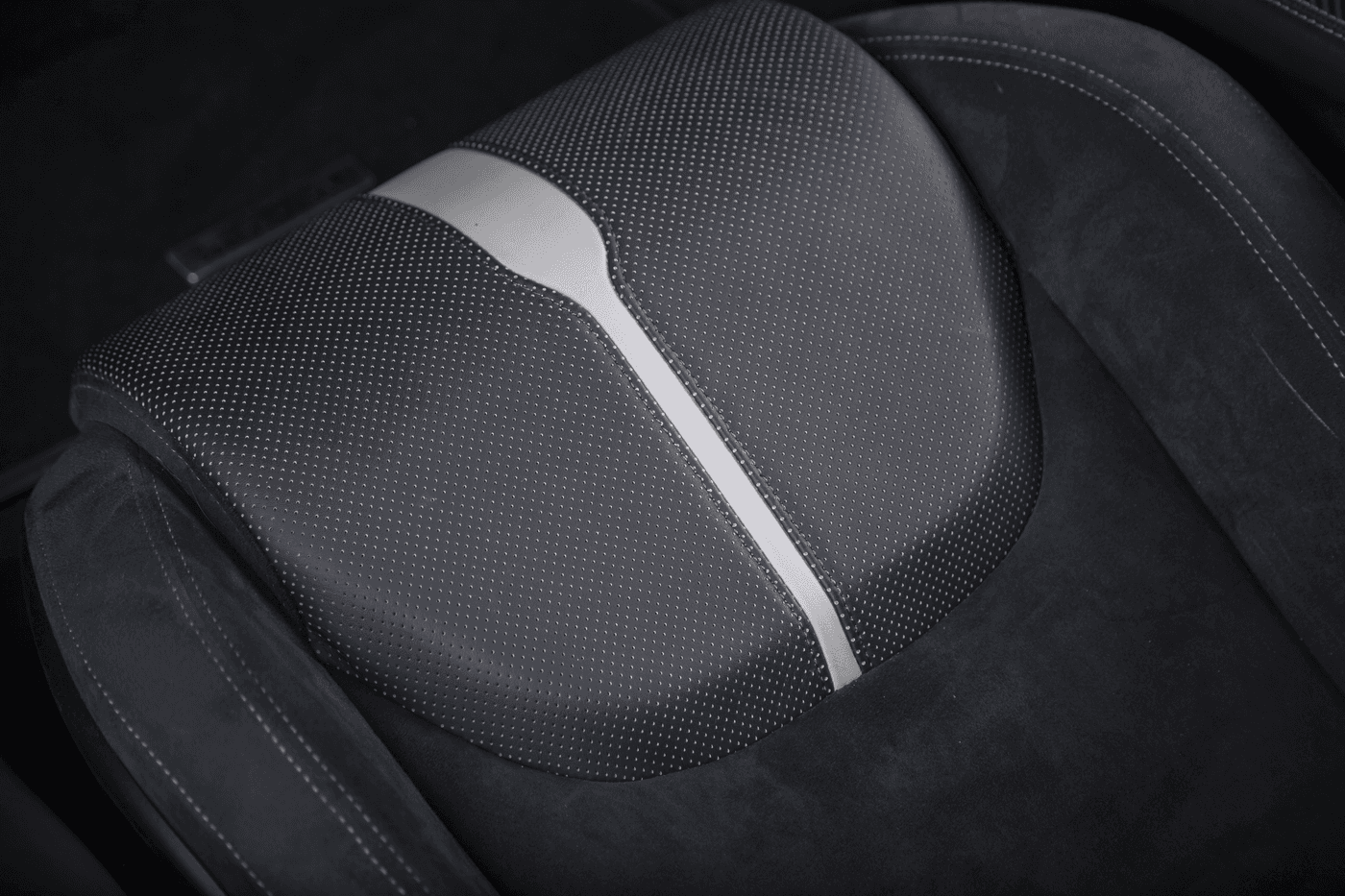
Modern car interior optimized for comfort

Real-world testing protocol before you buy

Most lumbar support dissatisfaction comes from inadequate testing periods. A single 20-minute test drive tells you almost nothing about how the support will perform over weeks of daily use. Your postural muscles need time to adapt to the new position, and the foam needs time to break in to your specific body shape. Plan for a minimum seven-day evaluation with consistent daily use before making a keep-or-return decision.

During your testing period, track three simple metrics daily: comfort score at the end of your longest drive (1-10), number of times you repositioned the pillow, and any new or changed discomfort areas. After seven days, these data points give you an objective basis for your decision rather than relying on first impressions, which are often misleading for support products.

  • Minimum 7-day evaluation period with consistent daily use
  • Track daily: comfort score, reposition count, new discomfort areas
  • Foam break-in takes 3-5 days for accurate performance assessment
  • First impressions are often misleading for lumbar support products

Dazniausiai uzduodami klausimai

What makes one car lumbar support better than another?

Better options maintain position under vibration, match your seat contour, and keep their shape over months of daily driving. Fit consistency matters more than material branding.

Should I buy a cushion or a pillow for car use?

A lumbar pillow targets lower-back alignment directly, while seat cushions focus on sitting-surface pressure relief. Many drivers benefit from combining both.

How do I test if it is worth keeping?

Track comfort scores and reposition frequency over at least one week of normal driving. Compare to your baseline without the support.

Is a more expensive lumbar pillow always better?

Not necessarily — price correlates with foam density and cover quality but not with fit for your specific seat. A well-fitting mid-range option often outperforms a premium mismatch.

How long should a good car lumbar support last?

High-density foam options typically last 12 to 18 months of daily commute use. Replace when the foam takes longer than 3 seconds to rebound after compression.

Susije gidai

Naršykite šiuos gidus, kad sužinotumėte daugiau ir rastumėte tinkamą sprendimą.