
30-day money back guarantee | Spring sale — 40% off + free shipping

Palyginimu gidai

Adjustable vs Fixed Car Lumbar Support

Compare adjustable and fixed car lumbar support options by fit control, setup speed, and long-shift consistency.

Adjustable vs Fixed Car Lumbar Support

Pagrindiniai patarimai

Adjustable systems support multi-seat and multi-driver scenarios.
Fixed systems can be simpler when seat type is stable.
Long-shift users usually benefit from fine-tuning options.
Fit control spectrum

Fit control spectrum

Adjustable car lumbar supports let you modify depth, height, and sometimes firmness to match your exact back profile. This matters because spinal curves vary significantly between individuals — a support that feels perfect for one driver may be uncomfortable for another.

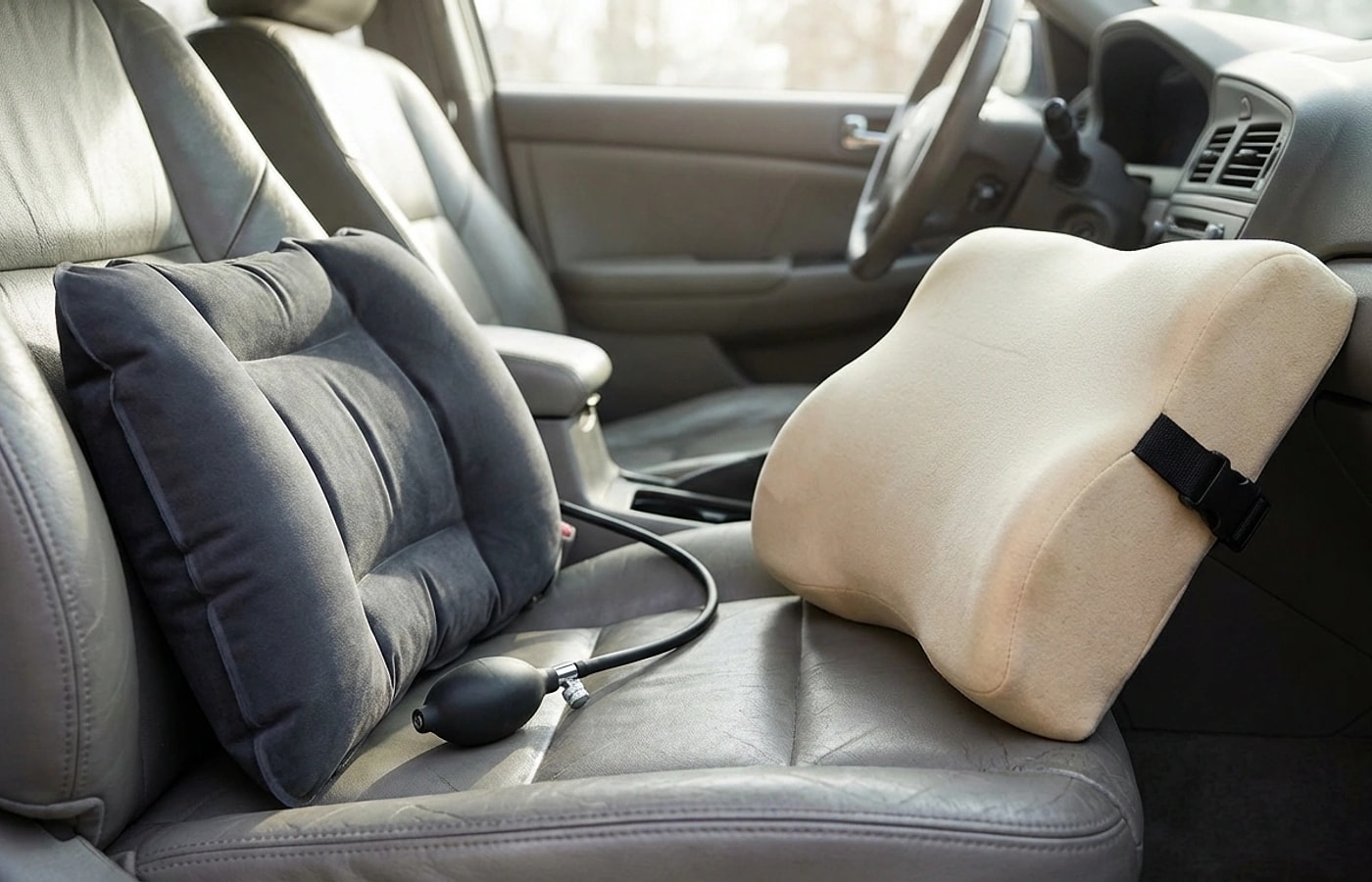
Fixed lumbar supports offer a single contour shape that either fits your back or does not. They are simpler to use since there is nothing to adjust, but the trade-off is that you are locked into the manufacturer's idea of the ideal curve depth.

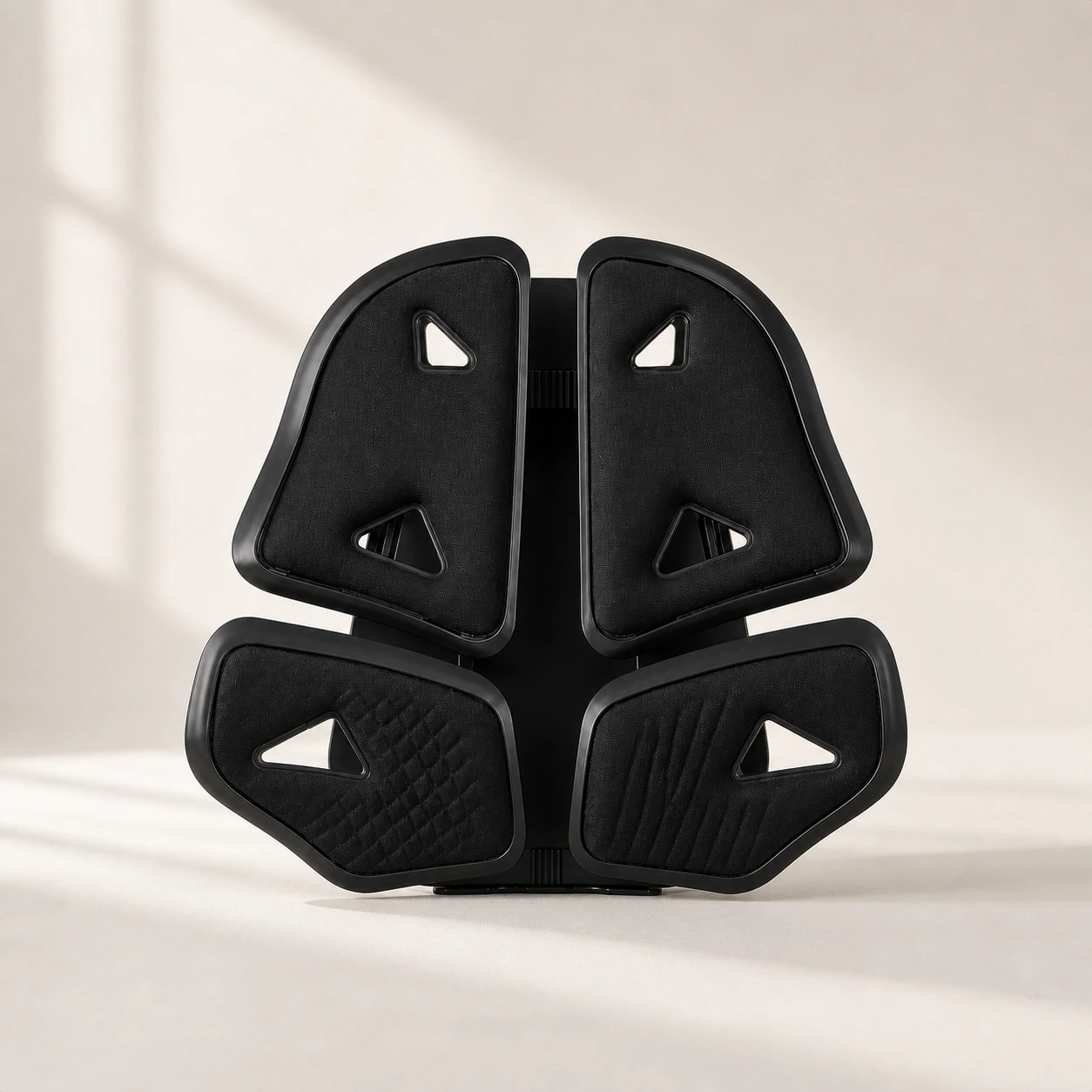
  • Adjustable: modify depth, height, and firmness to your body.
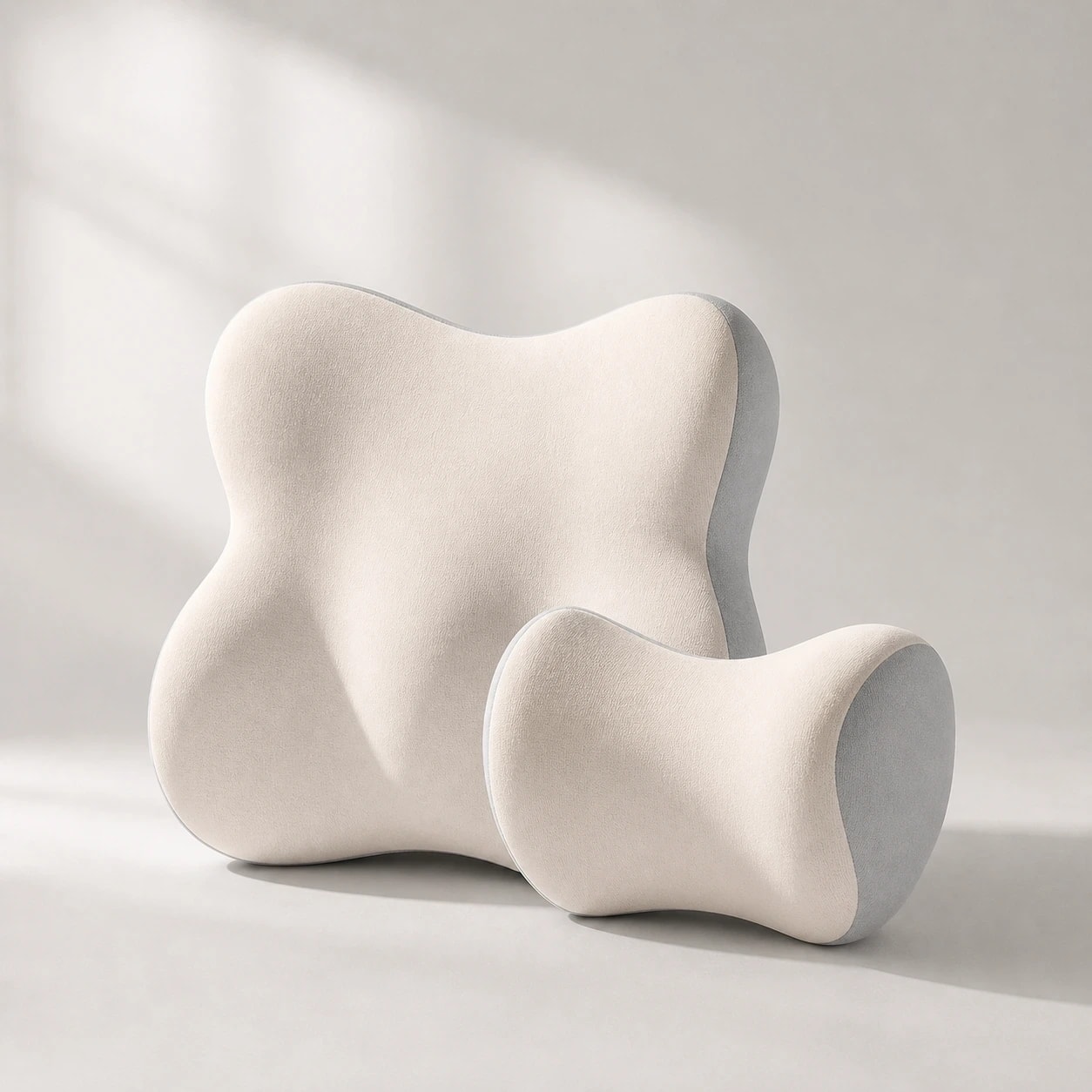
  • Fixed: one contour shape, no tuning required.
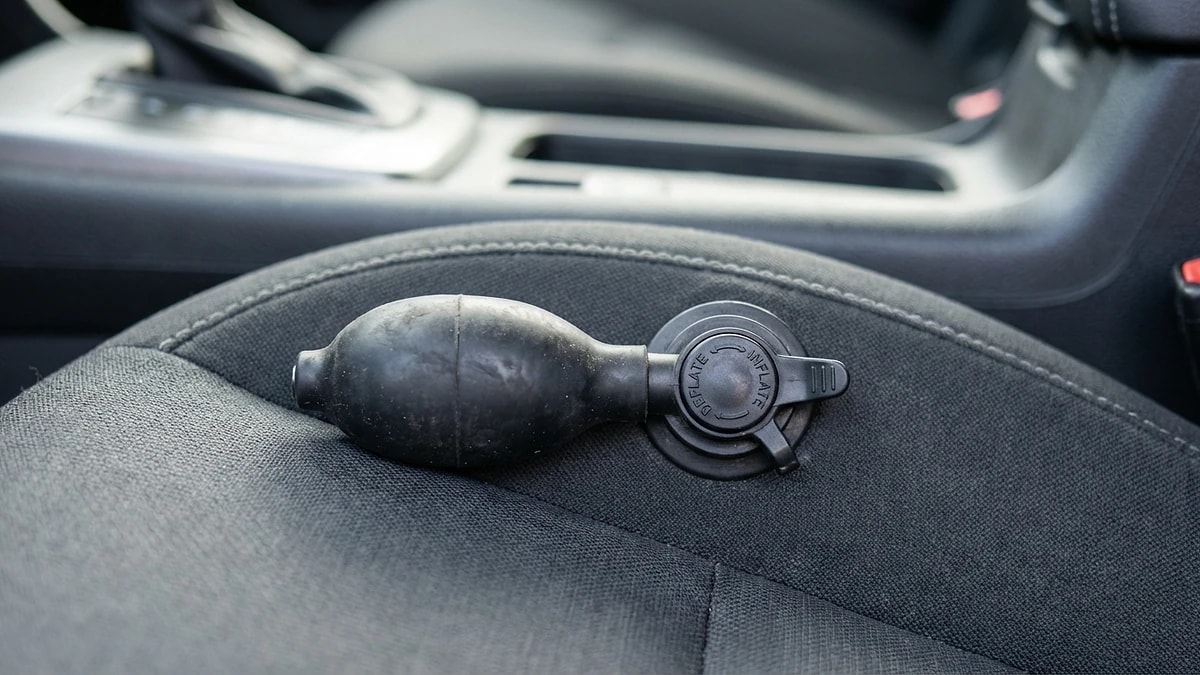
  • Inflation-style adjustable supports offer the widest depth range.
  • Fixed supports work best when their curve depth matches your natural lordosis.
Multi-driver and fleet scenarios

Multi-driver and fleet scenarios

In shared vehicles — family cars, fleet vehicles, rental cars — adjustable lumbar support is significantly more practical. Each driver can dial in their preferred settings without swapping accessories between shifts or trips.

Fixed supports in shared vehicles create a compromise situation where the support works for one driver but may not suit others. For families, couples, or business fleets, adjustable is the clear winner on versatility.

  • Adjustable supports adapt to different drivers without swapping products.
  • Fleet and rideshare drivers benefit from quick-adjust inflation systems.
  • Fixed supports suit single-driver, single-vehicle situations best.
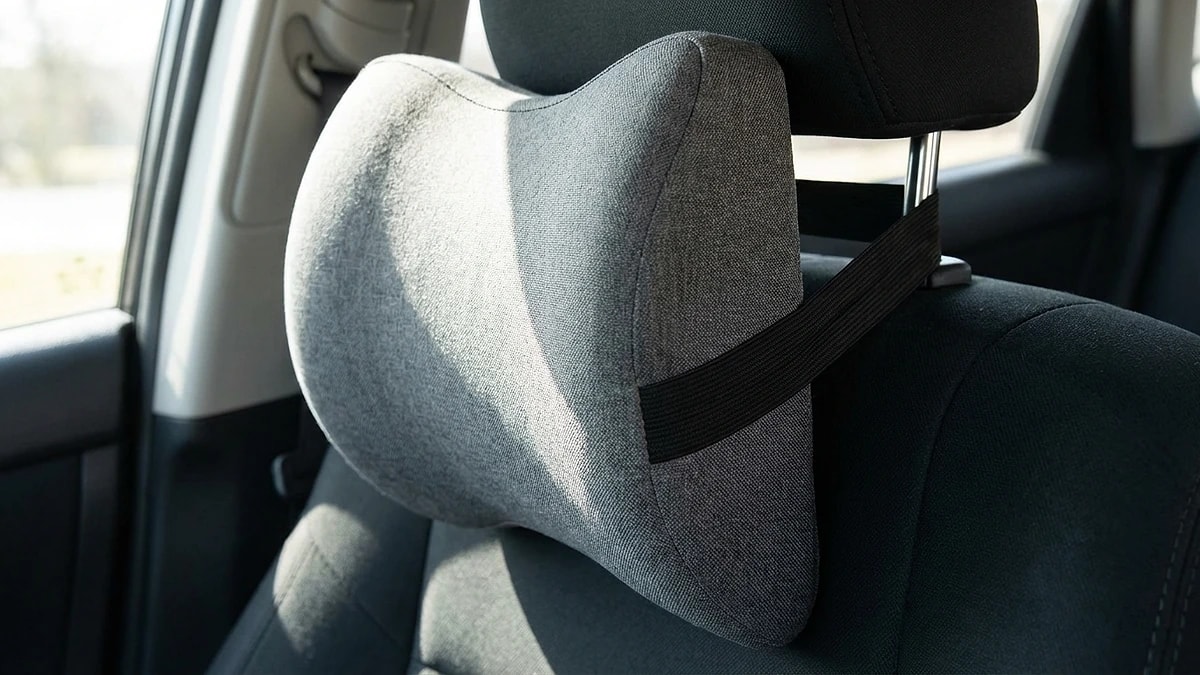
Driver seat with supportive lumbar positioning

Durability and maintenance

Fixed lumbar supports have no moving parts, which means fewer failure points. A solid memory foam or molded support will maintain its shape for one to three years of daily use before compression becomes noticeable.

Adjustable supports include mechanisms — straps, inflation valves, or ratchets — that can wear over time. Quality adjustable products use reinforced valves and durable straps, but budget options may lose air pressure or develop loose fittings within months.

  • Fixed supports: no moving parts, reliable long-term shape retention.
  • Adjustable supports: check inflation valves and straps every few months.
  • Higher-priced adjustable supports use more durable mechanisms.
  • Both types should be replaced when foam compression is noticeable.
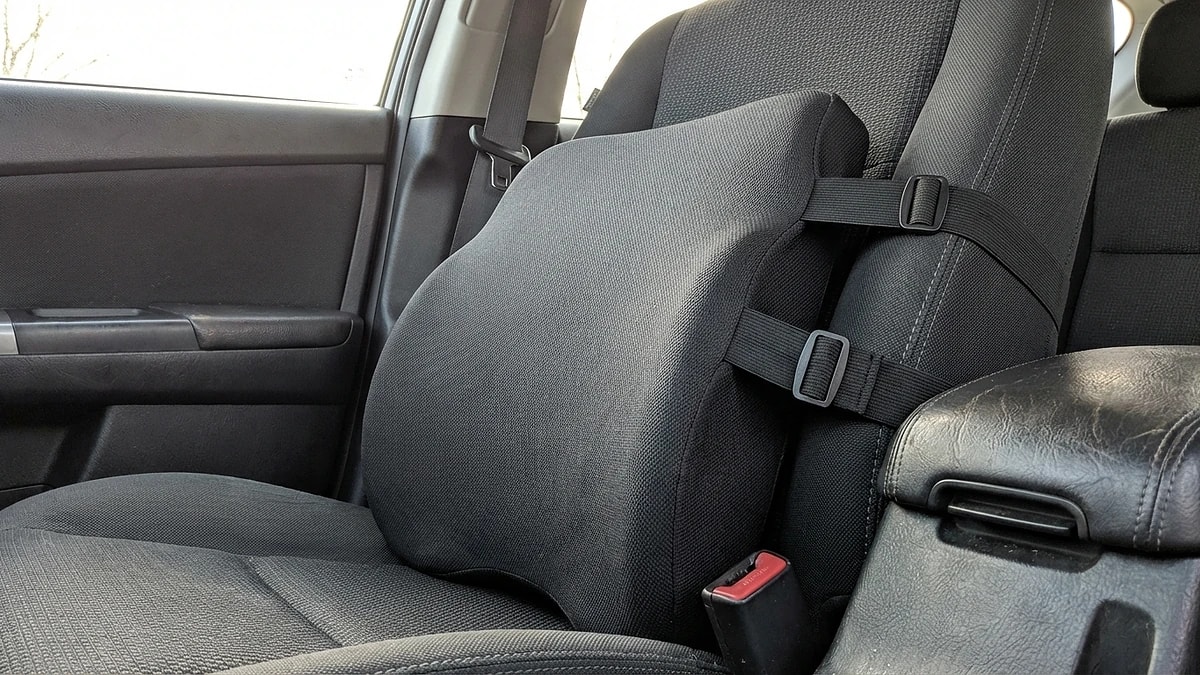
Modern car interior optimized for comfort

Recommendation by driver type

Daily commuters with a consistent 20-40 minute drive in the same car often do well with a fixed support, provided they find one that matches their curve. The simplicity and durability make it a set-and-forget solution.

Long-haul drivers, rideshare operators, and anyone sharing a vehicle should prioritize adjustable support. The ability to fine-tune throughout a shift and accommodate different body types provides meaningfully better comfort over time.

  • Short commuters in a personal car: fixed support is simple and effective.
  • Long-haul and professional drivers: adjustable is strongly recommended.
  • Shared vehicles: adjustable accommodates multiple body types.
  • If uncertain, adjustable gives you more flexibility to find the right fit.

Dazniausiai uzduodami klausimai

Which is better for shared vehicles?

Adjustable support is significantly better for shared vehicles. Each driver can set their preferred depth and height without swapping accessories.

Do fixed systems last longer?

Fixed supports have no moving parts and tend to maintain their shape reliably. However, overall lifespan depends more on foam quality than the presence of adjustment mechanisms.

Can adjustable systems slip more?

Not if they have robust straps and a non-slip backing. Inflation-style supports that mount with elastic straps are generally secure once properly installed.

How often should I replace car lumbar support?

Replace when you notice the support feels flatter or no longer holds its shape after a drive. For daily use, this is typically every 12-24 months depending on material quality.

Can I use an adjustable lumbar support in different cars?

Yes, most adjustable supports use universal straps that fit any car seat. Transfer takes under a minute and the support adjusts to each seat's geometry.

Susije gidai

Naršykite šiuos gidus, kad sužinotumėte daugiau ir rastumėte tinkamą sprendimą.